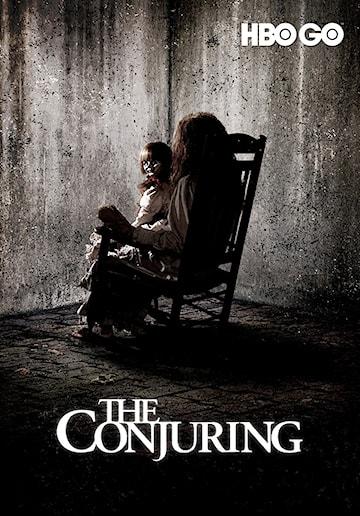
When The Conjuring first hit theaters in 2013, few expected it to become one of the most terrifying — and influential — horror films of the 21st century. Directed by James Wan, the film revitalized the supernatural genre with chilling realism, masterful suspense, and a story “based on true events” that still haunts audiences today.
A Return to Classic Terror
Unlike many modern horror films that rely on blood and shock, The Conjuring brought back old-school fear — the kind that builds in silence. Set in 1971, the movie follows Ed and Lorraine Warren, real-life paranormal investigators, as they help the Perron family confront a dark entity that has taken hold of their farmhouse in Rhode Island.
The film’s power lies in its psychological tension. Instead of jump scares every few seconds, it uses atmosphere, sound, and emotion to create dread. Viewers feel trapped inside the haunted home, sharing every scream, creak, and shadow with the terrified family.
A True Story — or So They Say
Adding to the terror is the claim that The Conjuring is inspired by real events documented by the Warrens. Whether or not you believe in ghosts, the movie’s realistic tone blurs the line between fact and fiction — making the horror feel uncomfortably real.
Critical and Cultural Impact
The Conjuring was both a critical and commercial success, earning over $320 million worldwide. It also launched the hugely popular Conjuring Universe, including spin-offs like Annabelle, The Nun, and The Curse of La Llorona.
Critics praised the film for its emotional depth and cinematic craftsmanship — a rare combination in modern horror. Vera Farmiga and Patrick Wilson’s performances as the Warrens gave the film a heart, grounding the supernatural chaos in faith, love, and courage.
The Legacy Lives On
More than a decade later, The Conjuring remains a benchmark of modern horror. It reminded audiences that true fear doesn’t come from monsters or gore — but from what we can’t see, what we can’t explain, and what might just be real.
Whether you watch it alone or with the lights on, The Conjuring continues to whisper one chilling message: sometimes, the scariest stories are the true ones.
When The Conjuring first hit theaters in 2013, few expected it to become one of the most terrifying — and influential — horror films of the 21st century. Directed by James Wan, the film revitalized the supernatural genre with chilling realism, masterful suspense, and a story “based on true events” that still haunts audiences today.
A Return to Classic Terror
Unlike many modern horror films that rely on blood and shock, The Conjuring brought back old-school fear — the kind that builds in silence. Set in 1971, the movie follows Ed and Lorraine Warren, real-life paranormal investigators, as they help the Perron family confront a dark entity that has taken hold of their farmhouse in Rhode Island.
The film’s power lies in its psychological tension. Instead of jump scares every few seconds, it uses atmosphere, sound, and emotion to create dread. Viewers feel trapped inside the haunted home, sharing every scream, creak, and shadow with the terrified family.
A True Story — or So They Say
Adding to the terror is the claim that The Conjuring is inspired by real events documented by the Warrens. Whether or not you believe in ghosts, the movie’s realistic tone blurs the line between fact and fiction — making the horror feel uncomfortably real.
Critical and Cultural Impact
The Conjuring was both a critical and commercial success, earning over $320 million worldwide. It also launched the hugely popular Conjuring Universe, including spin-offs like Annabelle, The Nun, and The Curse of La Llorona.
Critics praised the film for its emotional depth and cinematic craftsmanship — a rare combination in modern horror. Vera Farmiga and Patrick Wilson’s performances as the Warrens gave the film a heart, grounding the supernatural chaos in faith, love, and courage.
The Legacy Lives On
More than a decade later, The Conjuring remains a benchmark of modern horror. It reminded audiences that true fear doesn’t come from monsters or gore — but from what we can’t see, what we can’t explain, and what might just be real.
Whether you watch it alone or with the lights on, The Conjuring continues to whisper one chilling message: sometimes, the scariest stories are the true ones.