Marco Rubio and the "Iran Test": A Stepping Stone or a Hurdle on the Path to 2028?
Marco Rubio and the "Iran Test": A Stepping Stone or a Hurdle on the Path to 2028?
March 2026 – The Middle East is caught in a violent vortex of instability. With Iran officially unveiling its new Supreme Leader, Mojtaba Khamenei, amidst large-scale missile and drone exchanges between Tehran, the United States, and Israel, the region has become the epicenter of a global geopolitical crisis. Standing at the center of this "storm" is Secretary of State Marco Rubio, a key figure in navigating this turmoil. However, does the war with Iran truly serve as a launchpad for his presidential bid in 2028, or is it a political trap fraught with risk?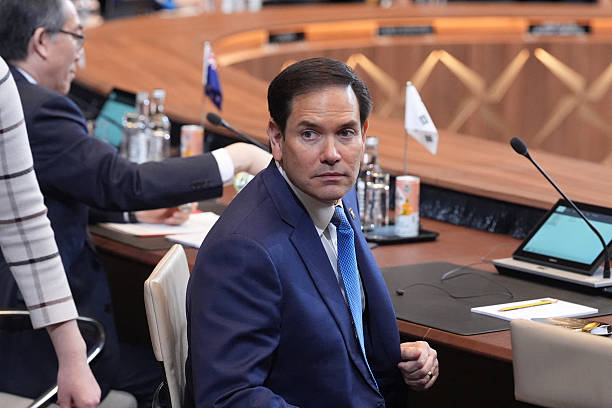
The Battlefield Context: A Protracted Conflict
As of now, the military campaign involving the U.S. and Israel has entered its second week with unpredictable developments. Iran’s critical military and infrastructure sites, alongside U.S. strategic radar systems in Gulf nations such as the UAE, Jordan, and Qatar, have become targets in intense retaliatory strikes by the Islamic Revolutionary Guard Corps (IRGC).
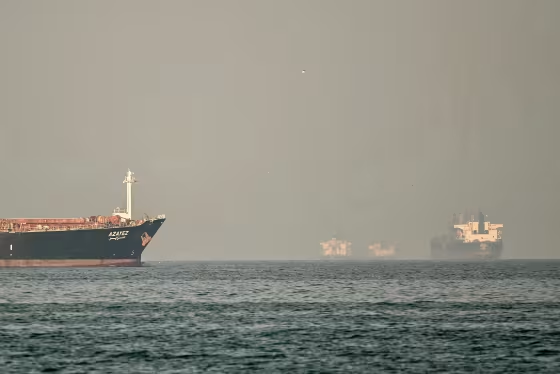
Contrary to initial expectations of a swift intervention, the conflict has rapidly expanded in scope, threatening oil transit routes in the Strait of Hormuz and inflicting casualties on U.S. personnel. In this climate, Secretary of State Marco Rubio—who is directly coordinating diplomatic efforts and testifying before Congress—is facing unprecedented pressure.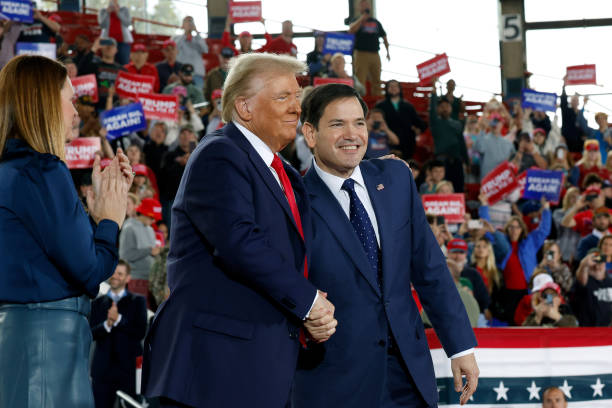
Rubio: Strategist or Passive Participant?
Rubio’s role in this crisis is a picture of contradiction. On one hand, leveraging his extensive experience in intelligence and foreign affairs committees, he has worked to reinforce the administration’s message: the U.S. is acting to protect national security and prevent Iran from acquiring nuclear capabilities. To traditional conservatives, Rubio appears as an expert figure, composed and well-versed in the "rules of the global power game."
However, this confidence is being shaken by his own statements. His acknowledgment that the U.S. chose to join the campaign after knowing Israel’s intent to strike has sparked fierce criticism in Washington. Many lawmakers—including Independents and Democrats—have questioned whether the U.S. is "outsourcing" its war-making decisions to an ally rather than shaping policy based on America's core national interests. This question not only creates legal hurdles but also erodes his image among a segment of voters who subscribe to an "America First" perspective.
The 2028 Road: Is a Higher Position Attainable?
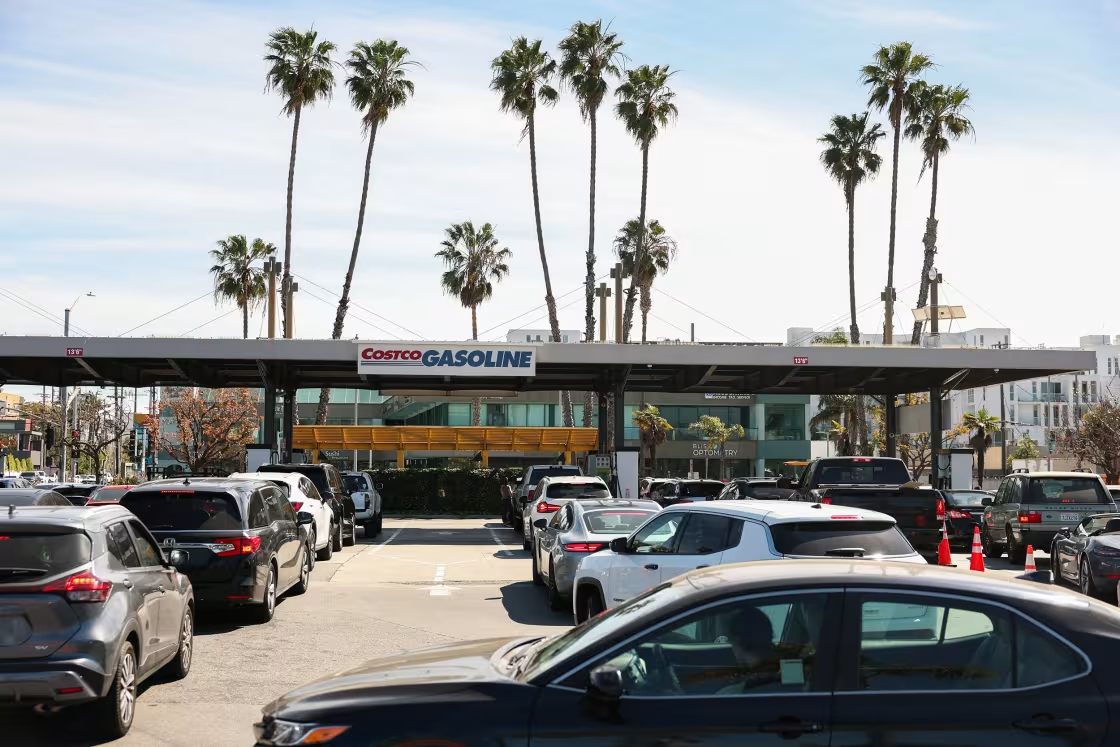
Public opinion in the U.S. remains deeply skeptical. Recent polls indicate that only about 25% of voters support this military action. As energy prices begin to fluctuate and U.S. military casualties rise, Rubio’s attachment to this war could become a double-edged sword.
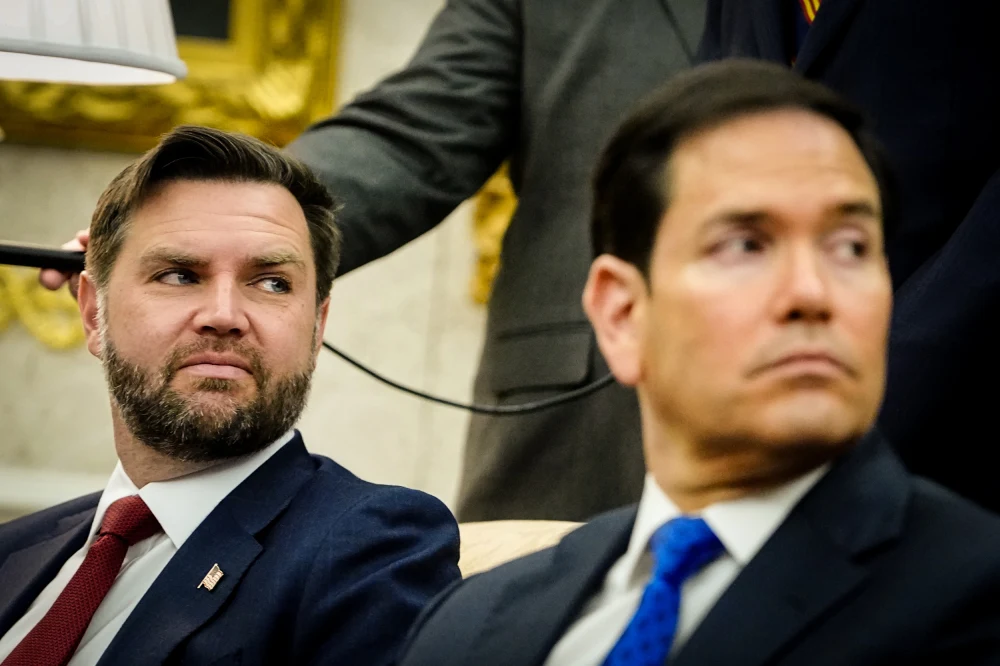
- Position within the Republican Party: President Trump has previously referred to the JD Vance–Marco Rubio ticket as an "unstoppable force." This status suggests that Rubio remains a top contender for either the presidency or the vice presidency. If the war with Iran yields clear strategic results—such as neutralizing Iran's most dangerous nuclear infrastructure—Rubio could be credited as the diplomatic architect who resolved a long-standing threat to the U.S.
- Risks of Public Opposition: Conversely, if the conflict turns into a quagmire, damaging U.S. global credibility and triggering domestic economic recession, Rubio could become the "scapegoat" for the administration's failures. In that scenario, his association with controversial policies would leave him more vulnerable than someone like JD Vance, whose populist rhetoric is often less tied to the minutiae of complex executive decisions.
Conclusion
The war in Iran is not an automatic "springboard" for Marco Rubio’s 2028 ambitions. It is a grueling test of political character, where he serves simultaneously as the driver and the person held primarily accountable by the public.
In the eyes of Trump’s base, Rubio remains a safe choice—someone with the necessary "presidential quality" to complement the powerful populist wave. Yet, this high-stakes game demands absolute finesse. If he cannot prove the legitimacy and effectiveness of current military decisions to the American electorate, the path to a higher office will slip from his grasp, regardless of his current political standing.
As missiles continue to tear through the Middle East skies, Marco Rubio’s political fate is now inextricably linked to every development on the battlefield. The success or failure of his 2028 aspirations may well have begun with the very decisions he is making at this exact moment.