In a major escalation of technological and strategic military positioning, the United States Navy is rapidly advancing the deployment of AI-operated drones, next-generation fighter jets, and experimental laser weapons integrated into its F-35 aircraft, amid rising tensions in the South China Sea. The move is widely seen as a calculated effort to protect U.S. and allied military assets linked to Taiwan, a focal point of geopolitical rivalry between the United States and China.
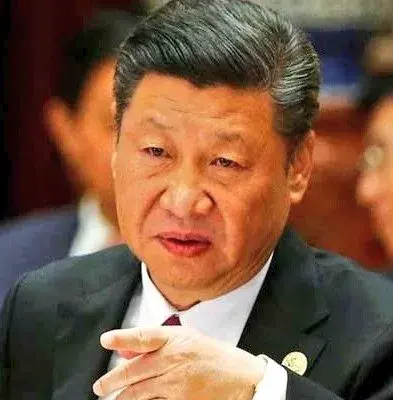
This development signals a new phase in modern warfare — one driven by artificial intelligence, autonomous systems, and directed-energy weapons — and underscores Washington’s commitment to maintaining deterrence and freedom of navigation in one of the world’s most contested regions.
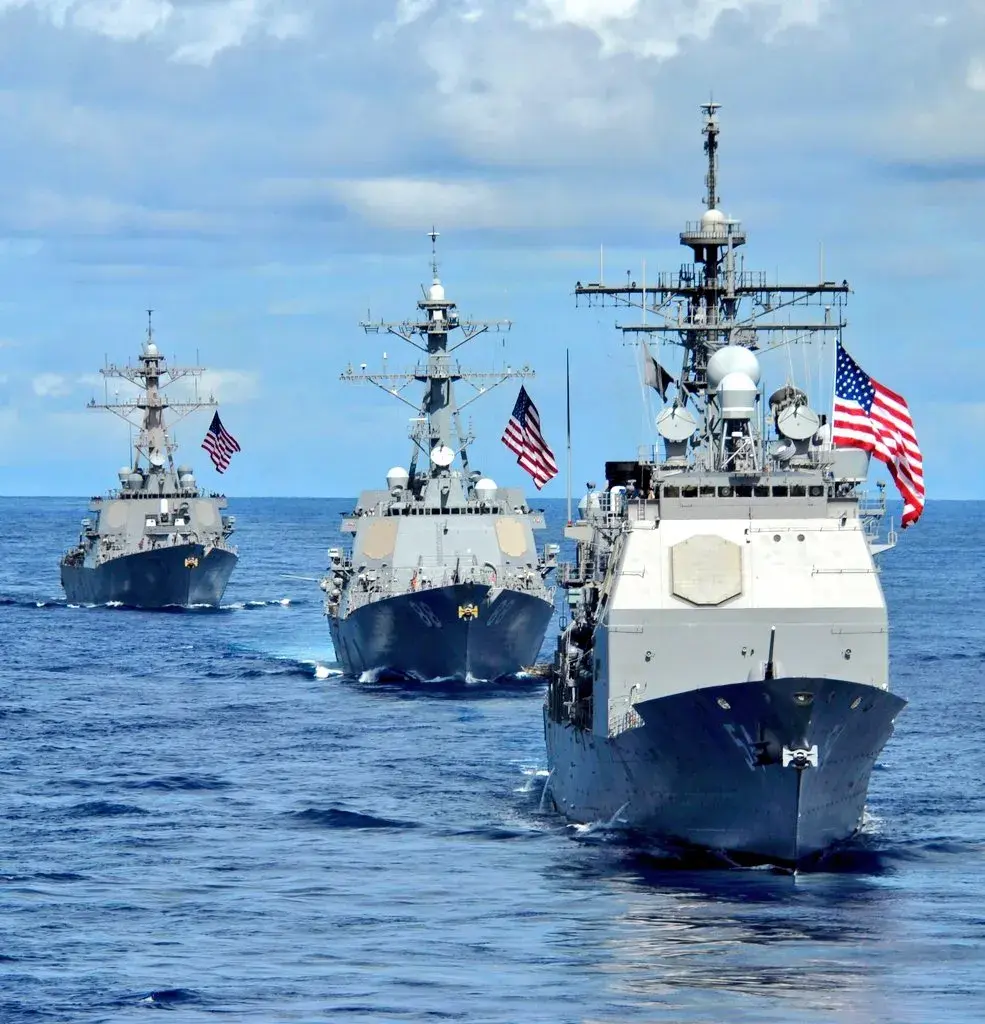
Why the South China Sea Matters
The South China Sea is one of the most strategically important waterways on the planet. Over $3 trillion in global trade passes through it annually, making stability in the region critical to the global economy.
The area is also subject to overlapping territorial claims involving China, Taiwan, Vietnam, the Philippines, and other Southeast Asian nations.
For the United States, the region represents a frontline in defending:
Freedom of navigationInternational maritime lawThe security of Taiwan, a key strategic partner
China’s rapid military expansion — including artificial islands, advanced missile systems, and naval patrols — has prompted the U.S. Navy to accelerate the deployment of cutting-edge military technology to preserve balance and deterrence.
AI-Operated Drones: Redefining Naval Warfare
One of the most significant elements of the U.S. Navy’s strategy is the expanded use of AI-operated unmanned systems, both aerial and maritime.
Key Capabilities of AI DronesAutonomous surveillance and reconnaissanceReal-time threat detection and targetingElectronic warfare and intelligence gatheringSwarm coordination with minimal human input
These drones are designed to operate in contested environments where traditional manned platforms face higher risks. By leveraging artificial intelligence, the U.S. Navy can extend its operational reach, reduce pilot exposure, and respond faster to emerging threats in the South China Sea.
AI-driven systems also enhance decision-making speed, allowing U.S. forces to maintain a technological edge in high-pressure scenarios involving China’s rapidly modernizing military.
F-35 Fighter Jets: The Backbone of Air Superiority
The F-35 Lightning II remains central to U.S. air dominance in the Indo-Pacific. Already considered the world’s most advanced multirole stealth fighter, the F-35 is now being enhanced with AI-assisted combat systems and experimental laser weapon integration.
Why the F-35 Is Critical
Stealth capabilities against advanced radar systems
Sensor fusion that provides pilots with unmatched situational awareness
Network-centric warfare, enabling coordination with ships, drones, and allied forces
In the context of Taiwan, F-35 jets deployed from U.S. carriers or regional bases serve as both a deterrent and a rapid-response force capable of countering air and naval threats.
Laser Weapons on F-35 Jets: A Game-Changer
Perhaps the most groundbreaking aspect of this military advancement is the reported integration of directed-energy laser weapons into the F-35 platform.
Advantages of Laser Weapons
Speed-of-light engagement
Precision targeting
Lower cost per shot compared to missiles
Effective defense against drones and incoming missiles
Laser weapons could dramatically change the dynamics of aerial combat by allowing U.S. jets to neutralize threats without relying solely on traditional ammunition. In a region saturated with missiles and unmanned systems, this capability offers a powerful defensive shield for U.S. and allied forces.
Protecting Taiwan: Strategic Deterrence in Action
Taiwan remains at the heart of regional security concerns. The U.S. has long maintained a policy of strategic ambiguity, but its military posture sends a clear message: any attempt to alter the status quo by force would face serious resistance.
The deployment of AI drones, F-35 fighter jets, and laser weapons aims to:
Deter military aggression
Protect U.S. military assets and supply lines
Support regional allies and partners
Ensure rapid response capability in a crisis
By strengthening its technological footprint near Taiwan, the U.S. Navy enhances its ability to respond to contingencies without escalating directly into large-scale conflict.
China’s Perspective and Regional Reactions
China views U.S. military activity in the South China Sea as a direct challenge to its regional ambitions. Beijing has repeatedly criticized U.S. naval operations, accusing Washington of destabilizing the region.
Meanwhile, regional allies such as:
Japan
South Korea
The Philippines
Australia
have quietly welcomed the U.S. military’s technological upgrades, seeing them as a stabilizing force that counters unilateral actions and preserves regional balance.
AI and the Future of Warfare
The use of AI-operated systems marks a broader shift in global military doctrine. Future conflicts are increasingly expected to involve:
Autonomous weapons
Cyber warfare
Space-based surveillance
Directed-energy systems
The U.S. Navy’s advancements in the South China Sea may serve as a blueprint for how modern militaries operate in high-risk environments where speed, data, and automation are decisive.
Risks and Ethical Considerations
Despite their advantages, AI-driven weapons raise serious questions:
Who is accountable for autonomous decision-making?
How are escalation risks managed?
Can AI systems distinguish complex battlefield contexts?
U.S. defense officials emphasize that human oversight remains central, but critics warn that increasing automation could lower the threshold for conflict if not carefully managed.
Conclusion: A Defining Moment in Indo-Pacific Security
The U.S. Navy’s advancement of AI-operated drones, F-35 fighter jets, and laser weapons in the South China Sea represents a defining moment in modern military strategy. It highlights the convergence of artificial intelligence, advanced aviation, and directed-energy technology — all aimed at protecting U.S. interests and supporting stability around Taiwan.
As tensions between the U.S. and China continue to shape the Indo-Pacific, these technological deployments underscore a clear reality: the future of deterrence will be driven as much by algorithms and energy weapons as by ships and soldiers.
The world is watching closely, as this new era of AI-enabled military power unfolds in one of the globe’s most critical regions.