In a stunning development that has captured the attention of the global tech industry, Chinese customs authorities announced that Nvidia chips will not be allowed to enter the country, just hours after the U.S. government authorized their export. The decision highlights the growing tensions in the semiconductor sector and underscores the increasingly complex trade dynamics between the world’s two largest economies.
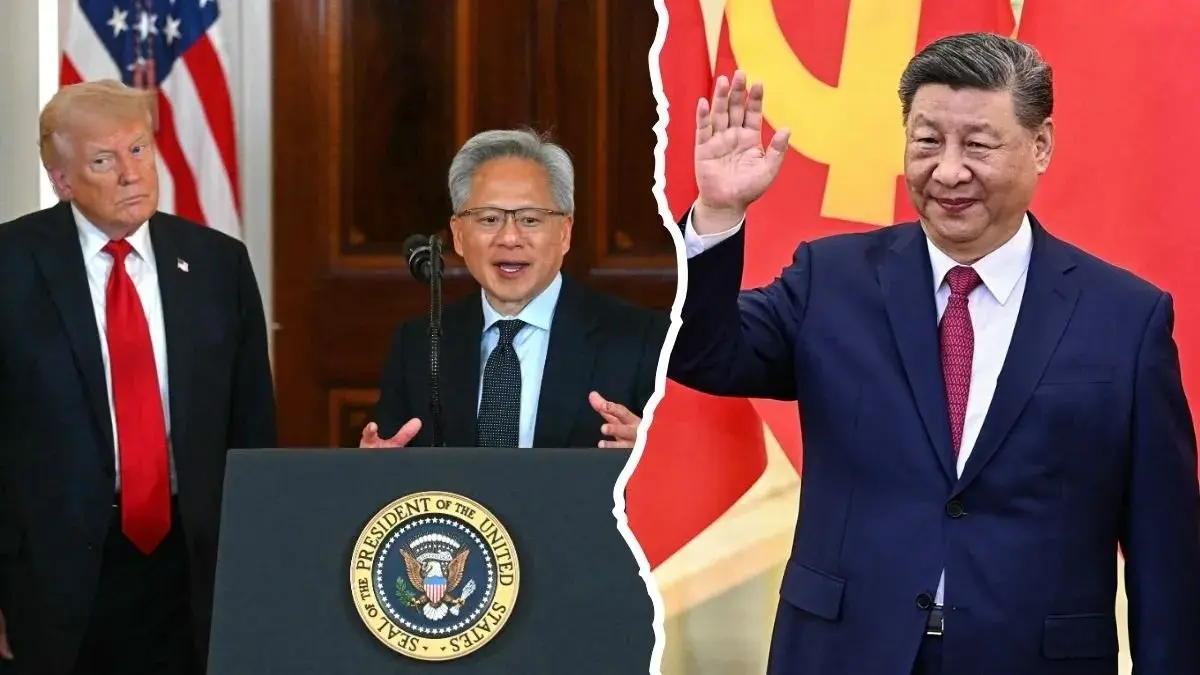
U.S. Authorization of Nvidia Chip Exports
Earlier this week, the U.S. Department of Commerce approved the export of certain high-performance Nvidia graphics processing units (GPUs) to China. These chips, known for their powerful computing capabilities, are crucial for artificial intelligence (AI) development, data centers, and advanced computing applications. The decision was seen as a move to balance national security concerns with the U.S.’s strategic interest in maintaining its semiconductor leadership.
Nvidia’s GPUs, particularly those in the A100 and H100 series, have been in high demand worldwide due to their role in AI model training and cloud computing. The U.S. authorization was expected to facilitate business for Nvidia while enabling Chinese tech companies to gain access to advanced AI infrastructure.
Chinese Customs Pushback
However, the excitement was short-lived. Chinese customs authorities issued a statement confirming that shipments of Nvidia chips will not be allowed to enter China. This move comes amid ongoing regulatory scrutiny and geopolitical friction between China and the U.S.
The statement cited concerns over “compliance with national security regulations and import controls,” signaling that China is taking a cautious approach to high-tech imports.
This decision is particularly significant because Nvidia chips are widely used by Chinese companies for AI research and development, autonomous driving technology, and high-performance computing. Chinese tech firms that had anticipated receiving these chips may face delays or even the need to source alternatives from other suppliers.
Implications for the Semiconductor Industry
The abrupt reversal by Chinese authorities has sent shockwaves through the semiconductor industry. Analysts warn that this development could disrupt supply chains, affect AI research timelines, and impact the stock performance of companies like Nvidia.
Supply Chain Disruption: Many Chinese tech companies rely on Nvidia GPUs for AI model training and data processing. With shipments blocked, these companies may need to turn to less advanced alternatives, potentially slowing technological progress.
Market Volatility: Nvidia’s stock has already experienced fluctuations due to trade tensions. The latest news could contribute to further volatility, as investors reassess the company’s access to one of the world’s largest tech markets.
Geopolitical Tensions: The semiconductor sector has increasingly become a focal point in U.S.-China relations. This latest move reinforces the perception that technology is a geopolitical tool, with both nations using export and import controls to advance strategic interests.
Nvidia’s Response
Nvidia has not yet released an official statement regarding China’s customs decision. However, industry insiders suggest that the company may need to adjust its business strategy, potentially focusing on other international markets or collaborating with local Chinese partners to comply with regulations.
The company has previously emphasized its commitment to adhering to export control regulations and working closely with government authorities. It remains to be seen how Nvidia will navigate the complexities of U.S.-China trade restrictions while continuing to serve its global customer base.
Expert Analysis
Experts in international trade and technology policy highlight that this development underscores the challenges of operating in a highly regulated global market. Dr. Li Wei, a semiconductor analyst, noted:
“This situation illustrates the fragile balance companies like Nvidia must maintain. Even when the U.S. authorizes exports, Chinese authorities may impose their own restrictions. It’s a reminder that geopolitical considerations are increasingly intertwined with technology supply chains.”
Similarly, Sarah Thompson, a trade policy expert, explained:
“We are witnessing a new era of tech diplomacy. Semiconductors are no longer just commercial products; they are strategic assets. Companies and governments alike must navigate a complex web of regulations that can change rapidly.”
Broader Impact on AI and Technology Development
The blockage of Nvidia chip imports could have ripple effects across the AI industry. Chinese tech giants such as Baidu, Alibaba, and Tencent rely heavily on high-performance GPUs for AI development.
Limited access to Nvidia chips may force these companies to explore domestic alternatives or accelerate the development of local semiconductor capabilities.
Acceleration of Domestic Semiconductor Development: China has been investing heavily in developing homegrown chips. Restrictions on Nvidia imports may incentivize Chinese firms to accelerate these initiatives, potentially reducing reliance on foreign technology in the long term.
Slower AI Deployment: In the short term, AI model training and deployment could slow down, affecting applications ranging from natural language processing to autonomous vehicles.
Global AI Competition: This move may also reshape global AI competition. While U.S. companies maintain technological leadership, Chinese firms may focus on innovation in areas less dependent on foreign GPUs, potentially diversifying AI advancements globally.
What This Means for the Future
The recent developments surrounding Nvidia chips underscore the fragility and interdependence of global tech supply chains. While U.S. export authorization signaled a potential opening for trade, China’s customs restrictions reveal the challenges companies face in navigating regulatory landscapes across borders.
Moving forward, tech companies may need to adopt more flexible supply chain strategies, including diversifying suppliers, investing in domestic chip production, and closely monitoring geopolitical developments. Additionally, policymakers may need to consider the long-term implications of export and import controls on innovation, competition, and global technology leadership.
Conclusion
In conclusion, the decision by Chinese customs to block Nvidia chip imports, just hours after U.S. authorization, highlights the intricate intersection of technology, geopolitics, and trade policy. The move could disrupt AI development in China, affect Nvidia’s business prospects, and add complexity to an already tense U.S.-China relationship.
As the semiconductor industry watches closely, one thing is clear: the global tech landscape is no longer purely about innovation and market demand. National security considerations, regulatory compliance, and geopolitical strategy are now central to the flow of technology across borders.
The coming weeks will be critical in determining how Nvidia and other tech companies adapt, and whether China’s decision signals a temporary measure or a long-term shift in its approach to foreign technology imports.