The excavation began as a routine archaeological mission in the deserts of Mesopotamia. Researchers hoped to uncover fragments of history tied to Gilgamesh, the legendary king immortalized in epic poetry. But what they found inside the sealed chamber was not a relic of literature — it was a phenomenon so terrifying that even seasoned experts collapsed in fear.
Witnesses describe deadly vibrations spreading through the ground as the tomb was approached. Cracks in the stone emitted blinding bursts of light, forcing archaeologists to retreat. Instruments failed in chaos, compasses spun wildly, and sensors collapsed as if reacting to something alive. Insiders whisper of a low-frequency hum reverberating through the chamber, a sound so unnatural that hardened scientists trembled.

Elon Musk, briefed on the incident, issued a chilling warning. “This is not archaeology anymore,” he reportedly said. “It’s a message sealed for millennia, too dangerous to announce. If we ignore it, humanity may face a catastrophe beyond imagination.” His words have amplified global panic, transforming the tomb from a historical curiosity into a symbol of existential dread.
Leaked notes from the site suggest the chamber was never meant to be opened. The energy patterns recorded defy explanation, resembling pulses rather than natural decay. Some researchers insist the tomb is not a burial site but a containment structure, designed to imprison a truth humanity was never meant to know. Musk’s warning echoes this fear: that the vibrations and light are not random, but deliberate signals.
Global reaction has been immediate. Religious leaders frame the event as divine punishment or prophecy fulfilled. Governments have moved swiftly to restrict information, classifying reports and silencing witnesses. Yet fragments of testimony continue to leak, fueling speculation across online communities. Headlines scream of apocalypse, conspiracy forums erupt with theories, and ordinary citizens are left in dread.

The site itself bears signs of deliberate concealment. Layers of stone and soil appear engineered to suppress, not preserve. Symbols etched into the walls resemble warnings rather than decoration — spirals, jagged lines, and geometric forms that do not match known Mesopotamian traditions. To some, these markings are evidence of a civilization desperate to seal away something they feared. To others, they are messages meant to be deciphered, clues to a truth humanity was never meant to know.
Eyewitnesses recount the terror vividly. One researcher collapsed after hearing the hum, describing it as “a voice without words, pressing against the mind.” Another claimed the light pulses carried patterns, flickering in sequences too deliberate to be random. Instruments recorded spikes of electromagnetic activity, but the data was corrupted, as if the phenomenon itself resisted capture. The team is now divided: some demand the tomb be sealed forever, others insist the truth must be revealed regardless of the risk.
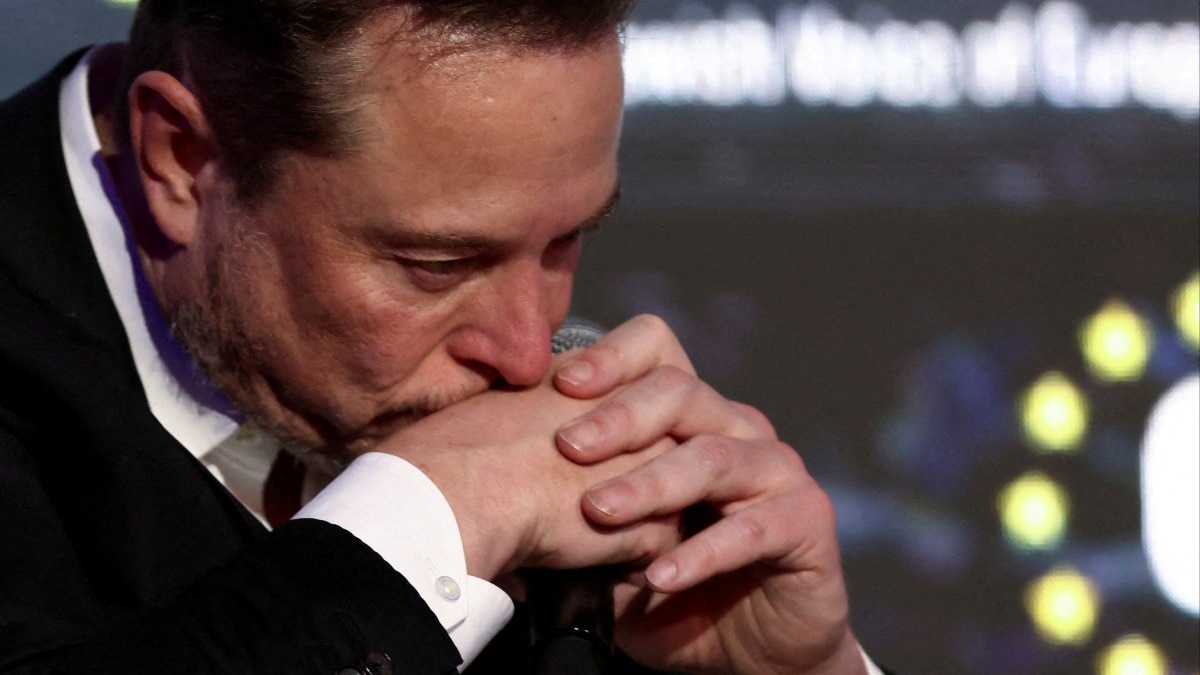
Musk’s involvement has intensified the crisis. Known for his warnings about artificial intelligence and extraterrestrial threats, his trembling words about Gilgamesh’s tomb have carried weight across governments and scientific communities. “We are not ready for this,” he declared. “If the tomb is speaking, then it is speaking to us. And what it says could mark the end of human understanding forever.”
The implications are staggering. If the tomb contains a message, what knowledge was buried alongside Gilgamesh? Was it a warning from antiquity, a prophecy sealed away to protect future generations? Or was it something darker — a force imprisoned beneath stone, waiting for release? Each possibility carries consequences too vast to measure. Science, faith, and history all tremble under the weight of the unknown.
What unsettles observers most is the deliberate silence. Officials refuse to confirm details, yet the panic among scientists is undeniable. Emergency meetings have been reported across multiple governments. Rumors suggest the energy pulses are intensifying, spreading beyond the tomb itself. Some fear the vibrations could destabilize surrounding regions, others warn of psychological effects on those exposed. The sense of dread is not confined to the excavation site; it is spreading globally, infecting imaginations and igniting fear.

As debate intensifies, the tomb remains sealed under heavy guard. Yet the whispers persist: the hum continues, the light flickers, and the vibrations grow. The phrase “A Truth Never Meant for Humanity” has become a rallying cry online, etched into graffiti, repeated in hushed tones. For many, the tomb is no longer an archaeological site — it is a countdown, a sealed catastrophe pressing against the edges of human understanding.
The story does not close neatly. It lingers in the silence of laboratories, in the secrecy of governments, in the tremors of faith. Gilgamesh’s tomb waits, its forbidden energy pulsing beneath the stone, its message too dangerous to announce. And as Elon Musk trembles before the unknown, humanity is left to wonder: was the tomb built to protect us from what lies within, or to protect what lies within from us?