The phrase “Free Palestine” is often presented as a simple call for justice or human rights. However, in many modern contexts, the slogan has been weaponized in ways that go far beyond peaceful advocacy. Increasingly, it has been used to excuse, normalize, or even celebrate violence against Jews, raising serious concerns about antisemitism, extremism, and the distortion of legitimate political discourse.
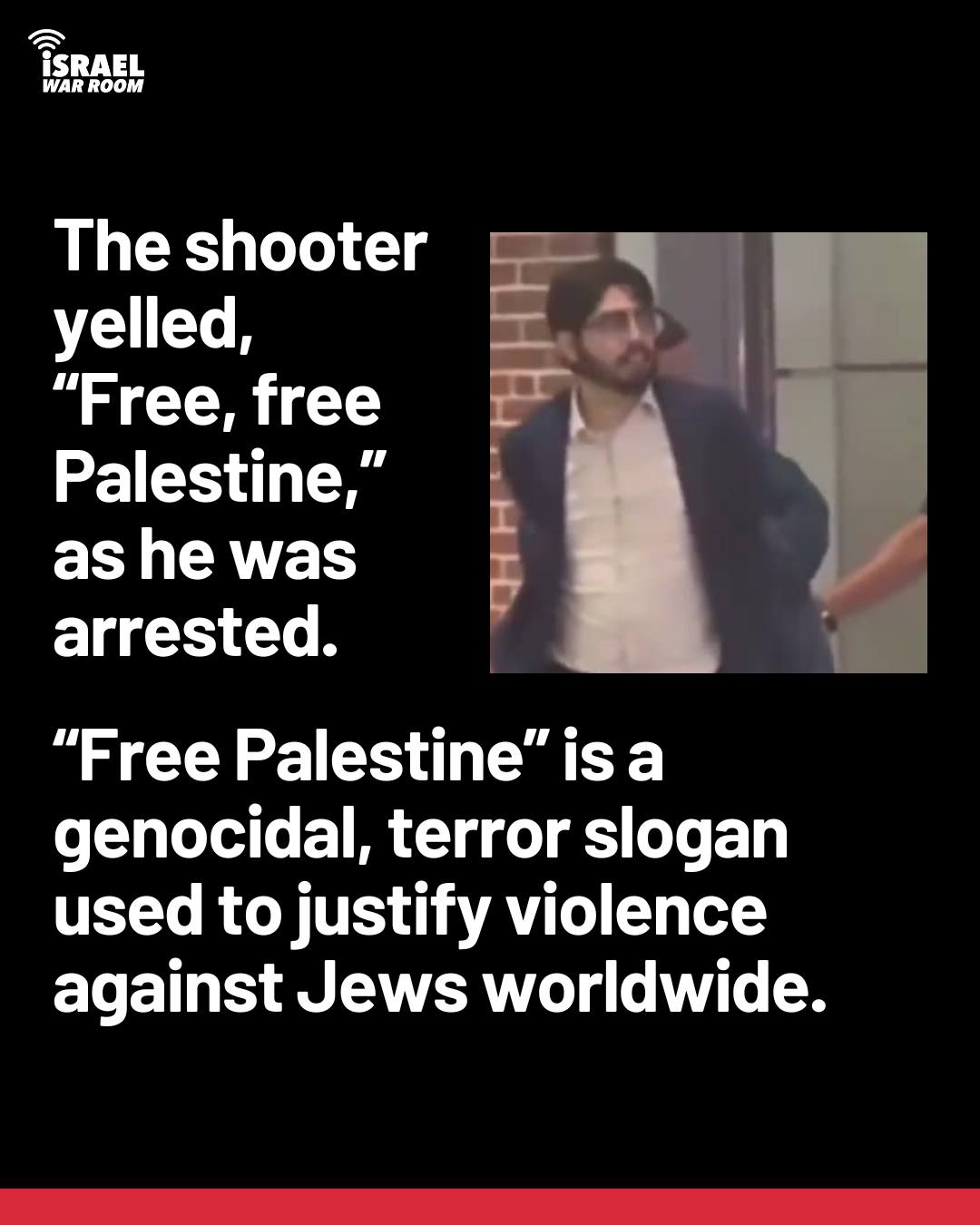
From Political Expression to Extremist شعار
At its core, advocacy for Palestinian rights can and should be part of a peaceful political conversation. The problem arises when “Free Palestine” is used not as a policy-oriented demand, but as a rallying cry that erases Israel’s right to exist and demonizes Jews collectively. In protests, online campaigns, and extremist propaganda, the slogan is often paired with calls for the destruction of Israel “from the river to the sea,” language widely interpreted as advocating ethnic cleansing or genocide.
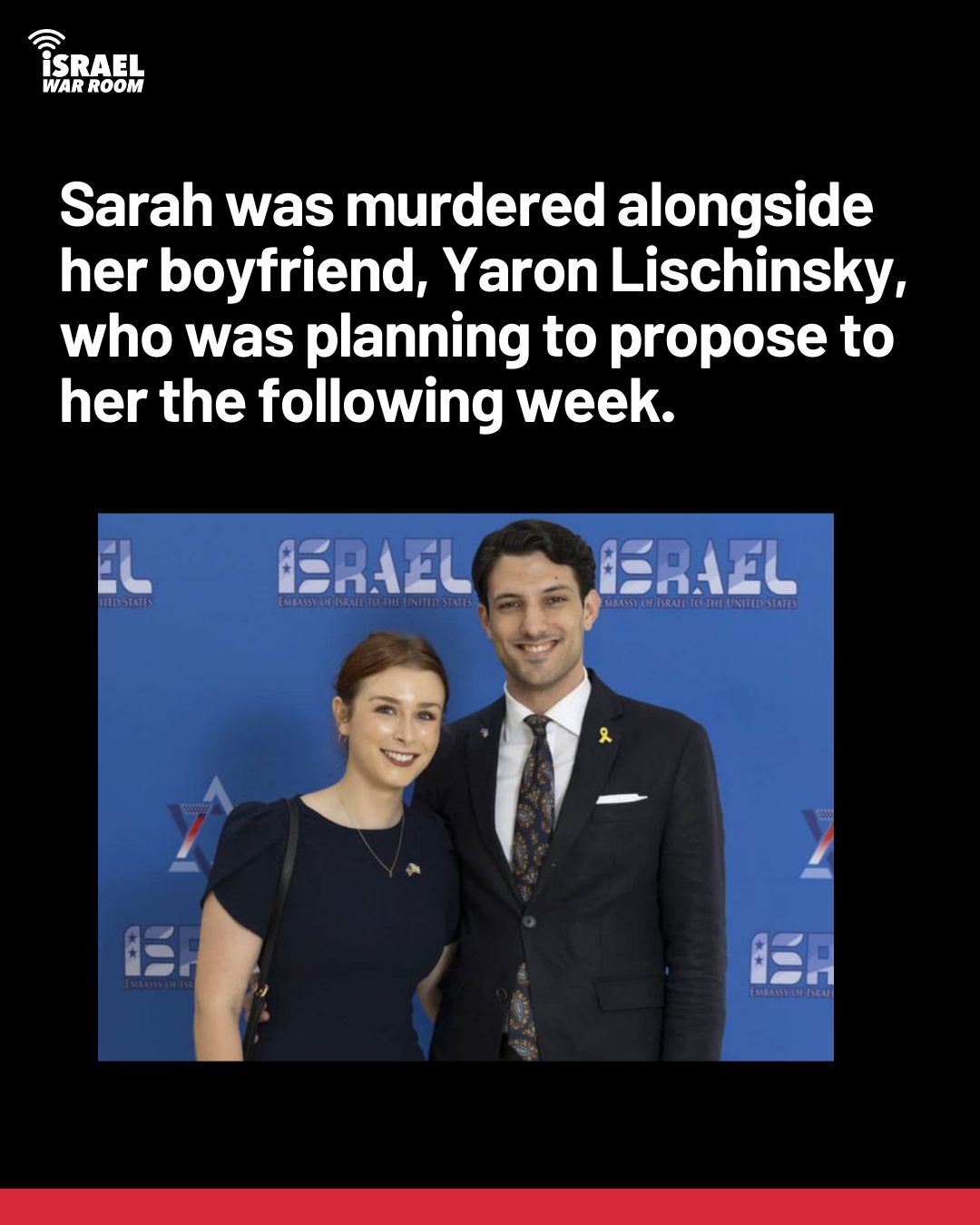
When a slogan is repeatedly used alongside praise for terror attacks or the targeting of Jewish civilians, it stops being a neutral political statement and becomes a tool of incitement.

How the Slogan Is Used to Justify Violence
In recent years, extremist groups and radical activists have invoked “Free Palestine” to rationalize attacks on Jewish communities worldwide. Synagogues, Jewish schools, and civilians with no connection to Middle East policy have been threatened or attacked, with perpetrators claiming ideological justification rooted in this rhetoric.
This pattern is deeply troubling. Criticism of a government’s policies does not justify violence against an entire people. When Jews are collectively blamed, threatened, or attacked under the banner of “resistance,” the slogan functions as cover for antisemitic hatred rather than a genuine call for peace.
The Impact on Jewish Communities Globally
The normalization of aggressive “Free Palestine” rhetoric has contributed to a rise in antisemitism in many countries. Jewish individuals are harassed, intimidated, and accused of crimes simply for their identity. This creates fear and isolation, especially on university campuses and online platforms where slogans are often shouted without context or accountability.
Words matter. When chants and hashtags are used to dehumanize Jews or deny their right to self-determination, they reinforce centuries-old antisemitic narratives that have historically led to violence.
Peace Requires Responsibility, Not Incitement
True peace cannot be built on slogans that glorify terror or erase one side of a conflict. A genuine call for peace must recognize the humanity and rights of both Palestinians and Israelis. It must reject terrorism, condemn antisemitism, and promote dialogue rather than destruction.
Advocacy that excuses violence only prolongs suffering for everyone involved. Palestinians deserve dignity and opportunity, and Israelis deserve security and life without fear. These goals are not mutually exclusive.
Conclusion
“Free Palestine,” as it is frequently used today, is too often detached from peace and justice and instead serves as a slogan that fuels hatred and justifies violence against Jews. If the global community truly wants peace in the Middle East, it must challenge extremist rhetoric, reject genocidal implications, and insist on language that promotes coexistence, accountability, and humanity for all.