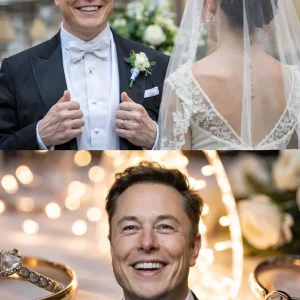
For a long time, Elon Musk seemed like someone who had quietly closed the door on marriage. Not publicly with dramatic declarations, but internally, through exhaustion, disappointment, and the slow accumulation of emotional scars. After multiple high-profile relationships and marriages that ended under intense pressure, Musk appeared to accept a difficult conclusion: love, at least in its traditional form, might not be compatible with the life he had chosen. The world saw a man relentlessly focused on rockets, factories, algorithms, and the future of humanity—someone who had little space left for vulnerability.
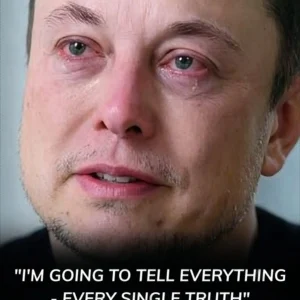
Musk has often spoken about loneliness in ways that surprised people. Despite extraordinary wealth and influence, he has admitted that success does not insulate a person from emotional pain. In interviews and late-night reflections, he has described moments of deep isolation, nights where the weight of responsibility felt heavier than ambition. For someone constantly surrounded by people, decisions, and noise, the absence of genuine emotional connection can feel especially sharp. Over time, this led to a belief that marriage—once a source of hope—had become a risk he could no longer afford.
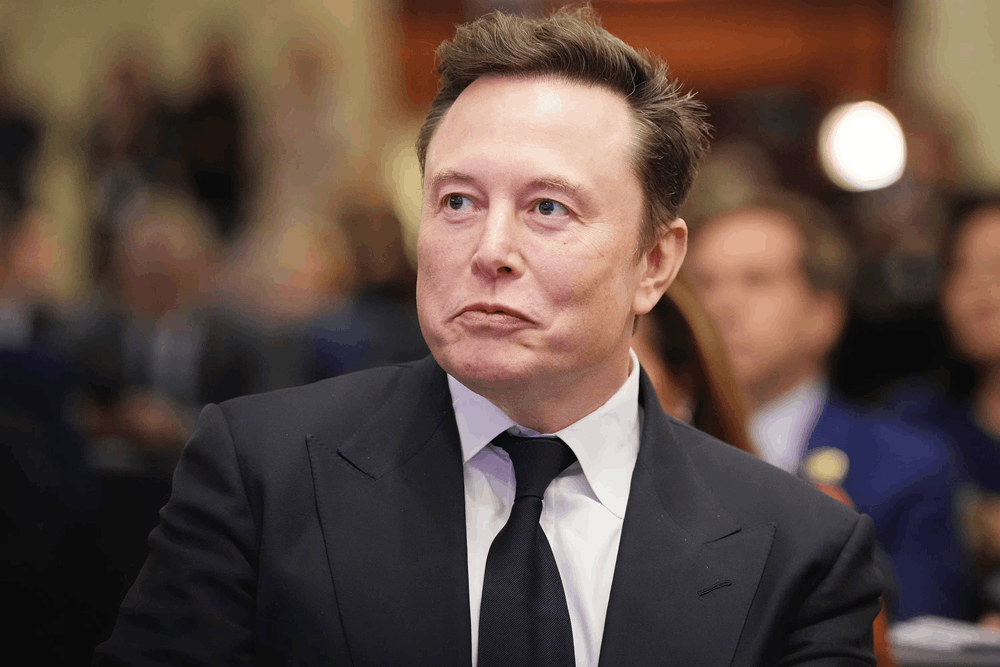
What makes this story compelling is not a sudden romantic fantasy, but the idea of change. Human beings, even the most driven and analytical ones, are not static. They evolve through experience, loss, and unexpected connection. In Musk’s case, the shift does not come from grand gestures or public displays of affection, but from a quiet realization: that emotional growth does not stop simply because someone has been hurt before. Sometimes, it begins there.
The idea that Musk might want to marry again challenges the image many people hold of him. He is often portrayed as emotionally distant, hyper-rational, and almost mechanical in his pursuit of goals. Yet those close to him have long suggested that this image is incomplete. Beneath the intensity and bluntness is someone deeply sensitive to meaning, loyalty, and understanding. His problem was never a lack of feeling—it was having too much of it, paired with a life that left little room to process it.
For years, Musk seemed to operate under a form of emotional self-defense. By convincing himself that love was no longer essential, he reduced the risk of being disappointed again. This mindset is not uncommon among people who have been hurt repeatedly, especially when their lives are lived under public scrutiny. The stakes of emotional failure feel higher when every relationship becomes a headline and every ending becomes a public autopsy. Choosing solitude can feel safer than choosing hope.
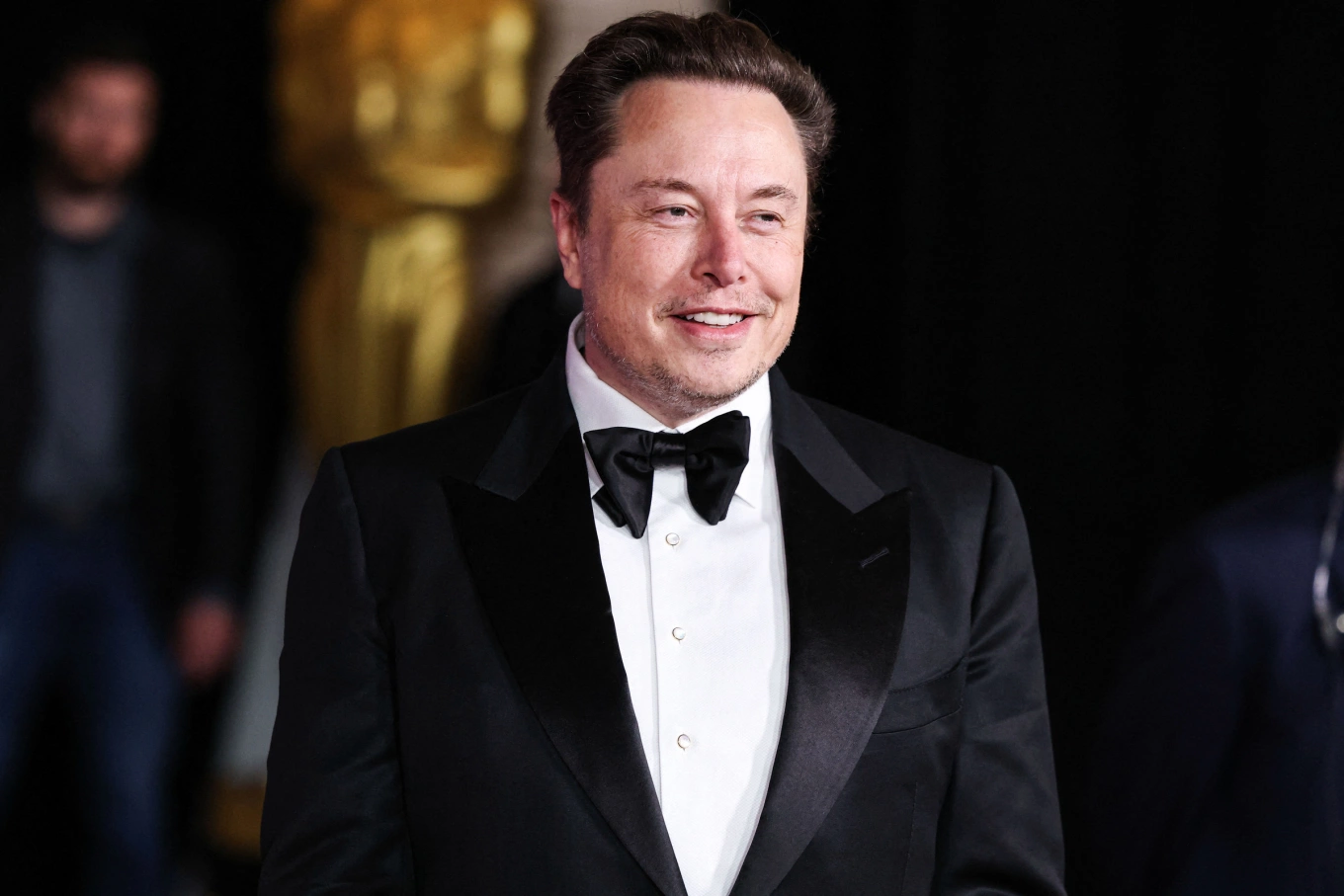
And yet, solitude has its limits. No matter how compelling a mission may be—colonizing Mars, reshaping transportation, redefining artificial intelligence—it does not replace human connection. Musk’s own words over the years hint at this truth. He has acknowledged that without emotional closeness, life can feel hollow, regardless of achievements. Success answers many questions, but it does not answer the one that matters most to most people: who truly sees and understands me?
The notion that someone could change this perspective is not about dependency or rescue. It is about resonance. Sometimes, what shifts a person is not persuasion, but presence. Not someone who demands change, but someone who naturally inspires it. In this interpretation of Musk’s emotional journey, the desire to marry again is less about romance itself and more about growth. It reflects a willingness to risk pain again in exchange for something real.
This kind of transformation does not happen overnight. It builds slowly, through trust, consistency, and the realization that not every connection ends the same way. For someone like Musk, who approaches most problems as systems to be optimized, love represents the one area that cannot be fully controlled. Choosing it again requires humility—the acceptance that no amount of intelligence or power can guarantee an outcome. That acceptance alone marks a profound internal shift.
If Musk truly believes he could marry again, it suggests he has reached a new understanding of strength. Strength is no longer defined as emotional armor or self-sufficiency at all costs. Instead, it includes openness, vulnerability, and the courage to admit that being alone is not the ultimate goal. This is not a retreat from ambition, but a rebalancing of what a meaningful life looks like.

Ultimately, this story is not just about Elon Musk. It resonates because it reflects a universal human experience. Many people, after disappointment or betrayal, convince themselves that they are “done” with love. They build lives of productivity, success, or independence and tell themselves it is enough. Sometimes it is—for a while. But the quiet truth is that the desire for connection rarely disappears. It waits.
If Musk is indeed willing to say, even privately, that he wants to marry again, it is not a contradiction of his past. It is a continuation of it. A reminder that even those who push humanity toward the stars still carry very human hopes. And perhaps the most surprising innovation of all is not technological—but emotional: the decision to believe again, after believing seemed impossible.
https://www.youtube.com/watch/TuFcEtu2DDg