In a dramatic escalation of the ongoing Venezuela crisis, the Venezuelan Armed Forces have issued an urgent demand for the United States to immediately release President Nicolás Maduro. This statement, unprecedented in its directness, comes amid heightened tensions following reports of U.S. involvement in operations targeting the Venezuelan leader.
Analysts warn that this development could have serious diplomatic, political, and military implications for both countries and the broader Latin American region.
Context: The Capture of Nicolás Maduro
According to recent reports, U.S. forces were allegedly involved in a high-profile operation leading to the arrest of Nicolás Maduro, the embattled leader of Venezuela. Maduro, who has governed Venezuela since 2013, has long been a controversial figure internationally due to allegations of authoritarianism, human rights violations, and economic mismanagement.
The U.S. government has historically condemned Maduro’s administration, imposing sanctions and diplomatic pressure in an attempt to restore democratic governance. However, the alleged military operation and subsequent capture of Maduro represent a dramatic escalation from traditional economic and diplomatic measures to direct intervention.
Statement From the Venezuelan Armed Forces
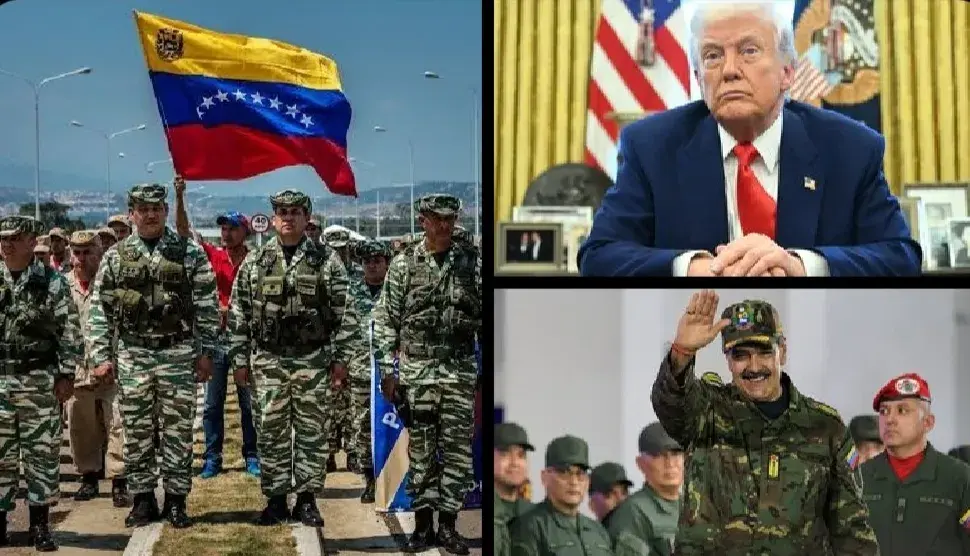
The Venezuelan military released a formal statement demanding that the United States immediately release Nicolás Maduro, citing legal and constitutional grounds. Key points from the statement include:
A strong reaffirmation of Maduro’s legitimacy as President of Venezuela.Condemnation of any foreign military intervention as a violation of Venezuelan sovereignty and international law.A warning that failure to comply could provoke serious consequences for U.S.-Venezuela relations.
The statement underscores the central role of the Venezuelan Armed Forces in domestic politics and national security, signaling that any further foreign interference will face robust resistance.
International Reactions
The announcement has reverberated across global media outlets and governments:
Latin American countries such as Mexico, Argentina, and Bolivia expressed concern over potential escalation, calling for diplomatic dialogue to prevent conflict.The United Nations issued a statement urging restraint and highlighting the importance of respecting sovereignty and adhering to international law.U.S. officials have so far remained silent on the Venezuelan military’s demands, though speculation continues that Washington is reviewing legal and strategic options.
Global analysts note that the situation could destabilize the region, potentially affecting neighboring countries, trade routes, and regional security agreements.
Diplomatic Implications
The Venezuelan Armed Forces’ demand represents a direct challenge to U.S. authority and actions abroad. Analysts suggest several potential diplomatic consequences:
Strained U.S.-Venezuela Relations – Any delay or refusal to comply could intensify tensions, potentially leading to economic and political retaliations.Latin American Diplomatic Response – Neighboring nations may be compelled to mediate or take sides, affecting regional alliances.Global Perception of U.S. Military Interventions – The operation may be criticized internationally, raising questions about legitimacy and precedent for future U.S. actions.
The diplomatic fallout could also influence U.S. foreign policy decisions in other regions, particularly regarding Latin America, the Caribbean, and global anti-authoritarian initiatives.
Political and Social Reactions Within Venezuela
Domestically, the Venezuelan Armed Forces’ statement has sparked widespread support among pro-Maduro factions, while opposition leaders are expressing concern about further instability. Social media platforms in Venezuela are flooded with discussions on:
The role of the military in politics.The legal and constitutional rights of Nicolás Maduro.Concerns about potential U.S. retaliation or escalation.
Public opinion is deeply divided, reflecting the ongoing polarization within the country over governance, economic management, and international involvement.
Legal Considerations
Experts in international law emphasize that the capture of a sitting head of state by a foreign military is highly controversial, potentially violating:
International treaties on sovereignty and non-interference.United Nations Charter provisions on the protection of states against external aggression.Bilateral agreements between the United States and Venezuela.
The Venezuelan Armed Forces’ demand cites these legal frameworks, arguing that Maduro must be released immediately to uphold the rule of law.
Potential Military Implications
While the statement does not explicitly threaten military action, analysts warn that the Venezuelan Armed Forces have the capacity to respond if their demands are ignored. Key considerations include:
Deployment of troops to strategic locations within Venezuela.Strengthening border security and air defenses.Coordination with regional allies to increase pressure on the U.S.
These steps could complicate any U.S. efforts to maintain operational control or negotiate a peaceful resolution.
Global Media Coverage
International media outlets such as BBC, CNN, Reuters, and Al Jazeera have extensively reported on the Venezuelan Armed Forces’ statement, highlighting:
The rare direct nature of the military’s demand.The historical context of U.S.-Venezuela tensions.The potential for regional instability.
Coverage emphasizes the need for caution and diplomacy to avoid escalating a crisis with far-reaching consequences.
Possible Scenarios Moving Forward
Analysts suggest several scenarios that could unfold:
U.S. Compliance – Release of Nicolás Maduro, potentially under international supervision or negotiated conditions.Diplomatic Negotiation – Both sides engage in talks to ensure Maduro’s safety and avoid escalation.Military Escalation – Any refusal to release Maduro could provoke regional confrontations, with unpredictable outcomes.Prolonged Stalemate – International pressure may eventually force a compromise, but with long-term diplomatic tensions.
Experts warn that the next 48-72 hours will be critical in determining whether the crisis escalates or de-escalates.
Conclusion
The demand by the Venezuelan Armed Forces for the immediate release of Nicolás Maduro by the United States represents a major escalation in an already tense geopolitical situation. With domestic support for Maduro, strong international scrutiny, and high stakes for U.S.
foreign policy, the situation demands careful handling to avoid regional instability and international criticism.
As this story continues to develop, global observers are closely monitoring diplomatic channels, military movements, and international responses. The outcome of this crisis will likely shape U.S.-Venezuela relations, regional security, and international norms regarding sovereignty and intervention for years to come.