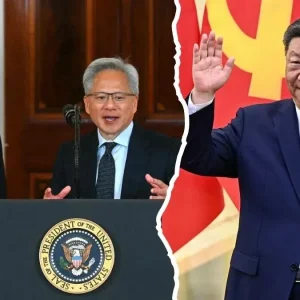
China’s President Xi Jinping has delivered a strong diplomatic message to former U.S. President Donald Trump, urging the United States to stop trampling on the sovereignty of other nations and warning that repeated U.S. interventions pose serious threats to global stability and international peace.
Xi’s remarks reflect China’s long-standing opposition to unilateral military actions and underscore growing tensions between Beijing and Washington over global governance, security, and the future of the international order.
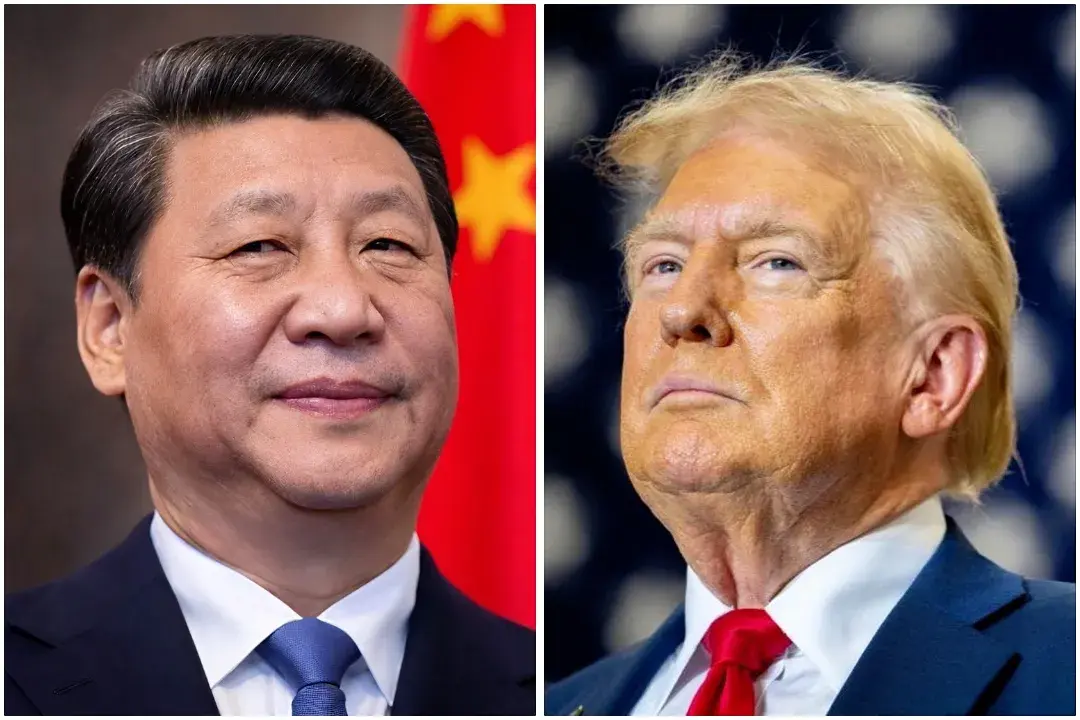
Xi Jinping’s Firm Stance on National Sovereignty
At the core of President Xi Jinping’s message is a clear defense of national sovereignty, a principle China considers fundamental to international relations. Xi emphasized that every country has the right to choose its own political system, development path, and leadership without external interference.
According to Beijing, foreign intervention—whether military, economic, or political—undermines global trust and increases the risk of conflict.
China has consistently argued that sovereignty and non-interference are essential pillars of the United Nations Charter. Xi’s warning to President Trump reflects frustration with what China views as a pattern of U.S. actions that bypass international consensus and rely on force or coercion to achieve geopolitical objectives.
Condemnation of U.S. Interventions Worldwide
President Xi explicitly criticized U.S. interventions in multiple regions, describing them as destabilizing and counterproductive. From the Middle East to Latin America and parts of Asia, China argues that U.S. military operations and regime-change strategies have often led to prolonged conflicts, humanitarian crises, and weakened state institutions.
Xi warned that such actions not only harm the targeted countries but also disrupt global supply chains, energy markets, and international security frameworks. He stressed that military dominance does not equate to global leadership, and that true leadership comes from cooperation, dialogue, and respect for international law.
China’s Vision for Global Stability
In contrast to what it sees as U.S. interventionism, China promotes a vision of multipolar global governance. Xi reiterated China’s commitment to peaceful development, mutual respect, and win-win cooperation. He emphasized that global challenges—such as climate change, economic inequality, terrorism, and pandemics—cannot be solved through military force or political pressure.
According to Xi, stability can only be achieved when major powers act responsibly and avoid imposing their will on others. He urged the United States to return to diplomacy, multilateralism, and constructive engagement rather than relying on sanctions, threats, or armed intervention.
U.S.–China Relations Under Strain
Xi Jinping’s remarks highlight the deepening strategic rivalry between China and the United States. Relations between the two powers have been strained for years by trade disputes, technology competition, military tensions in the Asia-Pacific, and differing political values.
Under President Trump, U.S. foreign policy often emphasized “America First,” which critics say resulted in confrontational approaches toward allies and adversaries alike. China views this approach as disruptive, arguing that it weakens global institutions and creates uncertainty in international affairs.
Xi’s direct message to Trump signals that Beijing is unwilling to remain silent when it believes core principles of international conduct are being violated.
The Broader Message to the International Community
While Xi Jinping addressed President Trump, analysts note that the message was also aimed at the broader international community. China seeks to position itself as a defender of sovereignty, especially among developing nations that have historically been affected by foreign intervention.
By condemning U.S. actions, China reinforces its narrative that the world should move away from a unipolar system dominated by one power and toward a more balanced, inclusive international order. This message resonates with countries that favor non-alignment and greater autonomy in global affairs.
Criticism and Counterarguments
Critics argue that China’s stance on sovereignty is selective, pointing to its policies in regions such as Taiwan, Hong Kong, and the South China Sea. Western governments often accuse Beijing of using the principle of non-interference to shield authoritarian governments from international scrutiny.
Nevertheless, China maintains that internal matters should not be exploited as excuses for foreign intervention. Xi’s warning to Trump reflects Beijing’s broader concern that interventionist policies set dangerous precedents that could be used by any powerful nation.
Implications for Global Politics
Xi Jinping’s condemnation of U.S. interventions carries significant implications for global politics:
Rising Multipolarity: The statement reinforces the shift toward a world where multiple powers challenge U.S. dominance.Increased Diplomatic Tensions: Direct criticism of U.S. leadership increases the likelihood of sharper rhetoric and strategic competition.Debate Over International Norms: The clash highlights ongoing disagreements over sovereignty, human rights, and the use of force.Alignment of Developing Nations: Many countries may find China’s message appealing as they seek alternatives to Western-led interventionist policies.
Calls for Dialogue Over Confrontation
Despite the strong language, Xi Jinping also emphasized the importance of dialogue over confrontation. He urged the United States to engage in meaningful discussions with other nations and resolve disputes through diplomatic channels rather than coercion.
China argues that cooperation between major powers is essential to prevent global instability. Xi warned that continued confrontations could increase the risk of miscalculation, leading to conflicts that would have devastating consequences for the world.
Conclusion
President Xi Jinping’s call for President Trump to stop trampling on other nations’ sovereignty marks a significant moment in global diplomacy. By condemning U.S. interventions as threats to global stability, China has reaffirmed its opposition to unilateral actions and positioned itself as a vocal advocate for non-interference and multipolar cooperation.
As geopolitical tensions continue to rise, Xi’s message underscores a growing divide over how power should be exercised in the international system. Whether the United States and China can find common ground remains uncertain, but the stakes—for global stability, peace, and prosperity—have never been higher.