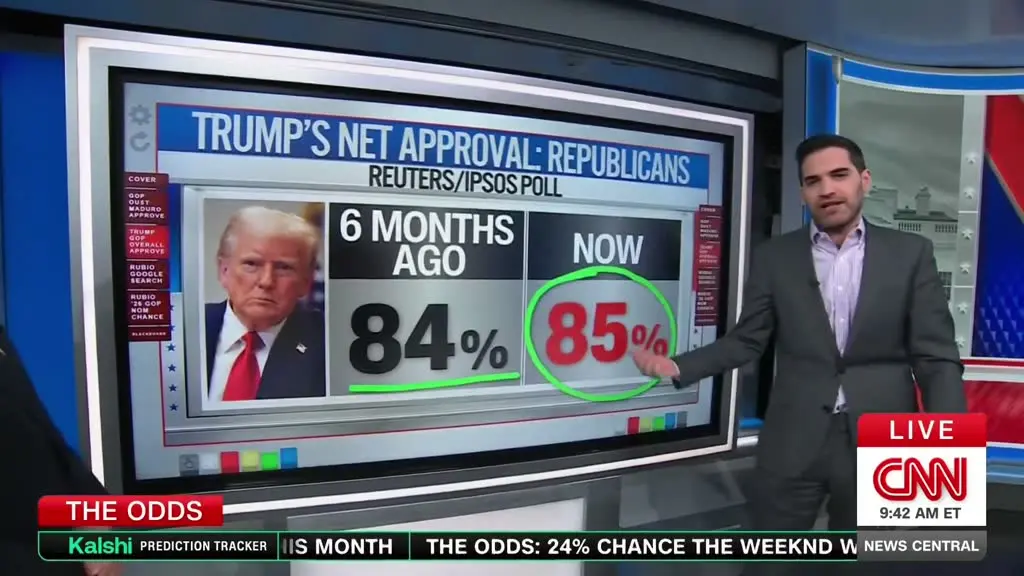
In a remarkable turn of events, CNN’s chief data analyst recently acknowledged what many political observers—and Republicans themselves—have long insisted: the MAGA faction within the Republican Party is not fragmented. Despite media narratives suggesting internal rifts and fractures, fresh polling data indicates that the Republican base remains united behind President Donald Trump, especially on foreign policy actions such as the controversial operation in Venezuela.
This article explores the latest polling data, the context of Trump’s policies on Venezuela, the media narratives of division, and what these developments mean for the GOP heading into the 2026 election cycle.
CNN’s Unintended Confirmation: No Rift in the GOP
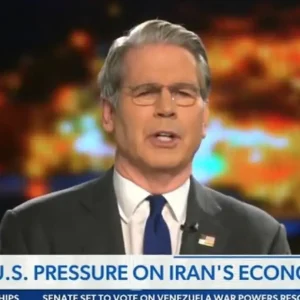
Earlier this week, CNN’s chief data analyst Harry Enten made headlines when he stated plainly that “there is no rift in the Republican Party” regarding support for the U.S. operation in Venezuela. While acknowledging that figures like Marjorie Taylor Greene and Thomas Massie have expressed skepticism, Enten emphasized they represent a very small minority within the GOP.
This admission directly counters repeated media claims that the MAGA movement and broader GOP were showing signs of internal division. Instead, poll figures consistently show strong unity among Republicans in backing Trump’s approach.
Poll Numbers Tell the Story
Multiple independent surveys show very high levels of support among Republican voters for Trump’s policies toward Venezuela:
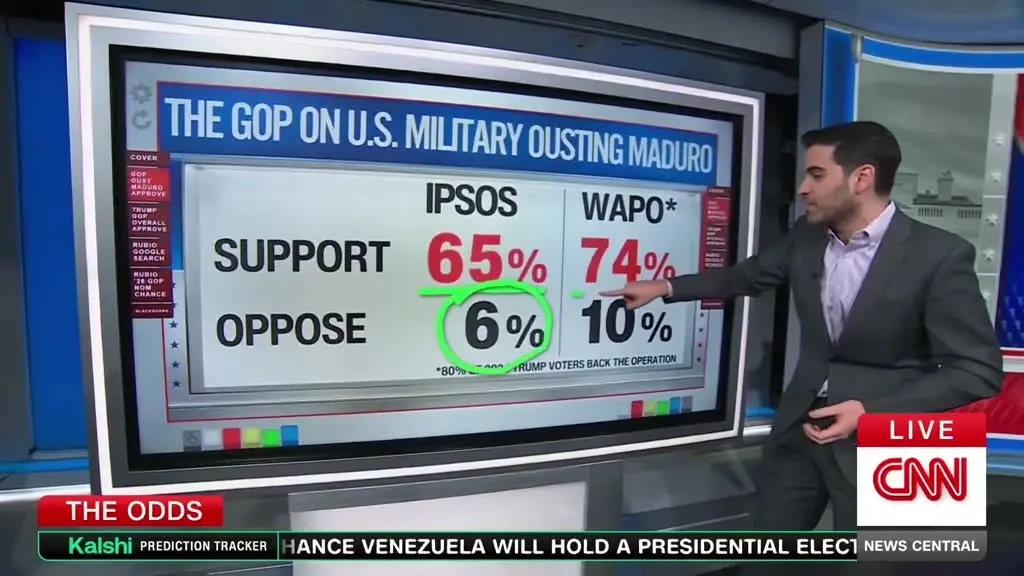
A Reuters/Ipsos poll found that 65% of Republicans support the military action taken against Venezuelan leadership, while only about 6% oppose it.A Washington Post survey showed even stronger backing, with 74% of GOP respondents declaring support, and only roughly 10% in opposition.
These figures demonstrate that Republican voters are not just mildly supportive—they are overwhelmingly unified around Trump’s foreign policy direction.
Minor Dissent Is Not Division
While criticism from a few high-profile conservatives tends to be amplified by mainstream outlets, these dissenting voices are not representative of the larger Republican electorate. Figures like Rep. Greene or Rep. Massie have vocally questioned aspects of Trump’s strategy, but their perspective remains on the fringe when measured against actual polling data.
Indeed, when just a small segment of any political party expresses dissent, it does not automatically indicate a broad schism or significant split, especially when over six in ten GOP voters back the president’s strategy.
How the Left’s Narrative Was Challenged
For months, many liberal commentators and media outlets have widely circulated the narrative that Trump is losing support within his own base, or that his far‑right faction is splintering from establishment Republicans. These claims have often been repeated without strong empirical evidence to back them up.
CNN’s own data analysis inadvertently undercuts these claims by revealing that the Republican base is still broadly aligned with Trump’s agenda, especially on foreign policy and national security issues—most notably the approach to Venezuela.
This undermining of a dominant media narrative demonstrates a significant disconnect between polling realities and political spin.
Republican Unity: Beyond Venezuela
The GOP’s unity isn’t only about a single foreign policy decision. Other recent data suggests that Republican voters remain solid in their broader support of Trump’s leadership and policy objectives:
Previous polling results show that large majorities of Republican respondents consistently support Trump’s stance on global leadership and military strength.
When party unity is measured across multiple issues including defense, immigration, and trade, many analysts argue that the Republican Party’s alignment with Trump extends far beyond any isolated question, indicating a more stable political coalition than critics have claimed.
How Independents and Democrats Differ
While Republican voters remain firmly supportive of Trump’s foreign policy, nationwide polls of the general population reveal a more divided public reaction. Recent surveys show that overall American support for U.S. actions in Venezuela is split roughly down the middle, with support and opposition near parity.
Moreover, approval of the military operation itself varies sharply along partisan lines:
Around 74% of Republicans back the military action.Meanwhile, 76% of Democrats oppose it.
This stark divide highlights how party identity dramatically shapes public opinion on foreign policy issues like Venezuela.
What This Means for 2026 and Beyond
With the 2026 midterm elections approaching, Republican unity behind Trump could be a major factor in shaping the political landscape. A united GOP base can translate into stronger turnout, more cohesive messaging, and greater resistance to narratives suggesting internal discord.
In contrast, Democrats may continue to struggle to broaden their coalition if key issues remain polarized along partisan lines. The perception of Republican solidarity around leaders like Trump could therefore play a decisive role in national elections.
The Broader Implications of Polling Trends
CNN’s remarks and the poll results do more than just challenge a media narrative—they reveal how data and actual voter sentiment can be at odds with pundit projections. Reliable polling indicators show that Republican voters remain highly supportive of Trump’s actions, even when those actions involve contentious foreign policy decisions.
As national political discourse evolves, these polling trends underscore the importance of grounding discussions in robust data rather than assumptions or selective anecdotes.
Conclusion
In an era where partisanship dominates the news cycle, it is easy for narratives to gain traction without strong factual underpinning. Yet, recent data on Republican voters’ views regarding Trump’s policies—especially in relation to Venezuela—paint a clear picture: the MAGA movement and GOP base remain united, and Trump’s influence on the party is intact.
Even when voices of dissent emerge, they constitute a small minority and do not signal a genuine fracture within the party. Instead, polling evidence suggests that Republicans are more unified than ever, especially on pivotal foreign policy issues that are shaping American political identity heading into 2026.