Minneapolis, MN – In a bold move signaling a heightened federal crackdown, DHS Secretary Kristi Noem has arrived on the ground in Minneapolis as part of the Trump administration’s efforts to combat fraud allegedly involving the Somali community. The Department of Homeland Security has surged 2,000 agents into the area, underscoring the administration’s claim that it is taking decisive action against widespread fraud schemes.
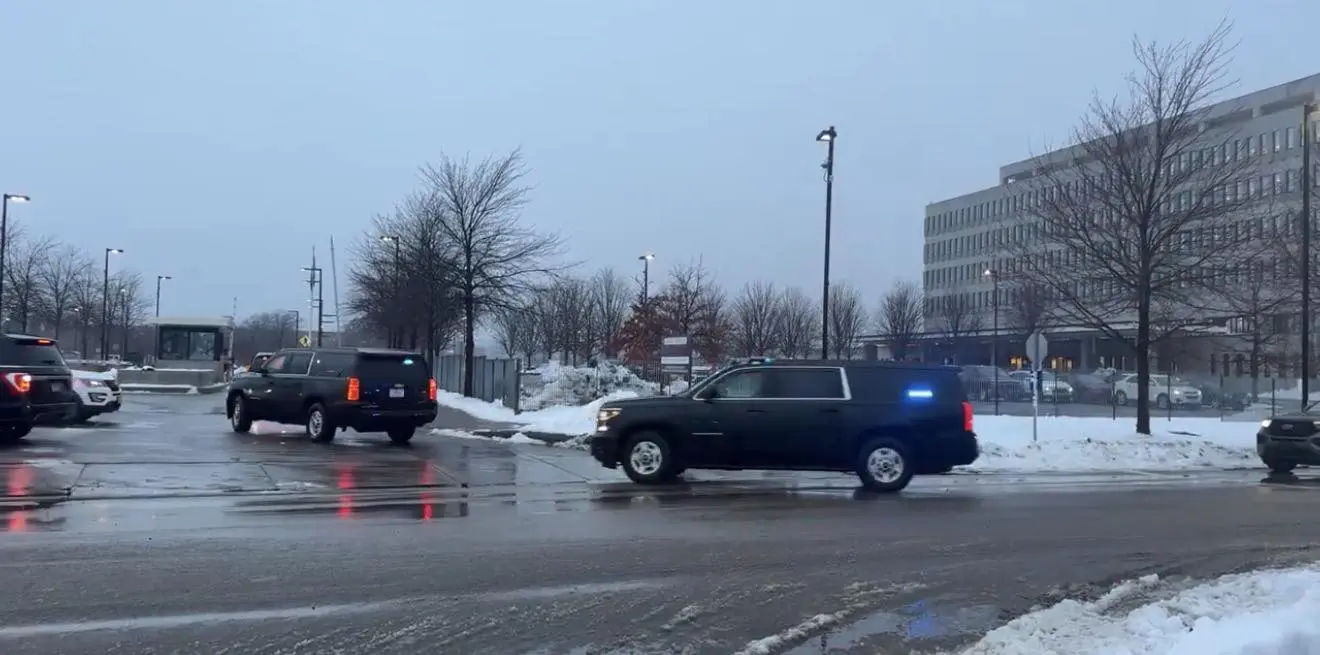
A Massive Federal Presence
According to official statements, the arrival of Secretary Noem marks the beginning of a coordinated federal operation aimed at identifying and addressing fraudulent activities in Minneapolis. The deployment of 2,000 DHS agents is one of the largest mobilizations in recent years, reflecting the administration’s commitment to rooting out illegal practices.
Officials emphasized that this operation will involve collaboration with local law enforcement agencies, including the Minneapolis Police Department, to ensure public safety while enforcing federal regulations.
Targeting Fraud in Vulnerable Communities
The Trump administration’s focus on Somali fraud has drawn national attention. Government sources claim that certain fraud schemes in Minneapolis involve misuse of federal aid programs, social benefits, and identity theft. Secretary Noem’s presence signals a hands-on approach to overseeing these operations and holding accountable those involved in fraudulent activities.
Experts say that fraudulent claims not only drain government resources but also undermine public trust in essential social services. By deploying DHS agents, the administration aims to protect taxpayers and restore confidence in government programs.
Secretary Kristi Noem’s Role
Kristi Noem, who has recently taken the helm at the Department of Homeland Security, has emphasized a zero-tolerance policy for fraud. During her visit to Minneapolis, she met with federal investigators, local officials, and community leaders to discuss strategies for detecting, preventing, and prosecuting fraudulent activities.
In her statements, Secretary Noem highlighted the importance of community engagement alongside enforcement. “While we are taking decisive action against fraud, we also want to ensure that law-abiding residents feel safe and supported,” she said. This balance of enforcement and community outreach is central to the DHS approach.
Impact on the Minneapolis Community
The sudden influx of 2,000 federal agents has already transformed parts of Minneapolis, with increased security measures and checkpoints in key areas. Local residents have expressed mixed reactions—some welcoming the efforts to reduce fraud, while others raise concerns about civil liberties and the potential for profiling.
Community leaders are calling for transparency and accountability in the operations. They stress that while fraud must be addressed, it is essential to protect the rights of all residents and avoid stigmatizing specific groups based on ethnicity or nationality.
Broader Political Implications
The Trump administration’s aggressive approach to Somali fraud comes amid a broader national focus on immigration and federal aid programs. Critics argue that the operation could be politically motivated, pointing to heightened rhetoric around fraud in immigrant communities. Supporters, however, view it as a necessary measure to safeguard public funds and enforce the law.
Analysts note that Secretary Noem’s high-profile visit and the large-scale deployment of DHS agents are likely intended to signal strength and resolve to the American public, particularly among voters concerned about government accountability and fraud prevention.
Steps Taken by DHS
The Department of Homeland Security has outlined a multi-step plan to tackle fraud in Minneapolis:
Identification – Using data analytics to detect irregularities in federal aid and benefits claims.Investigation – Deploying DHS agents to gather evidence and work with local law enforcement.Enforcement – Prosecuting individuals and networks involved in fraudulent activities.Prevention – Implementing stricter verification processes to minimize future fraud.
By combining technology, personnel, and legal action, DHS aims to create a comprehensive fraud prevention strategy.
Community Response and Outreach
Despite the high-profile federal presence, DHS officials stress that community outreach is a priority. Informational campaigns, public meetings, and partnerships with local organizations are planned to educate residents about reporting fraud and understanding their rights.
Secretary Noem has repeatedly emphasized that law-abiding Somali residents are not the target, highlighting the importance of distinguishing between criminal activity and innocent members of the community.
Challenges Ahead
While the federal operation demonstrates seriousness, experts caution that tackling fraud is complex and resource-intensive. Minneapolis is home to a large Somali community, and fraudulent activities may be deeply embedded or coordinated across multiple levels. DHS agents will need to navigate cultural sensitivities, language barriers, and community trust issues to achieve meaningful results.
Additionally, there is a risk that aggressive enforcement could inadvertently alienate residents or spark tensions if not handled carefully. Analysts suggest that combining enforcement with transparency and engagement is critical for long-term success.
Conclusion
The arrival of DHS Secretary Kristi Noem in Minneapolis, along with the deployment of 2,000 federal agents, marks a significant escalation in the Trump administration’s fight against fraud. By targeting fraudulent schemes allegedly involving the Somali community, the administration hopes to protect taxpayer funds, enforce federal laws, and restore public confidence in government programs.
As the operation unfolds, the nation will be watching closely to see how DHS balances enforcement with community engagement, ensures fairness, and maintains civil liberties while taking a firm stand against fraud.