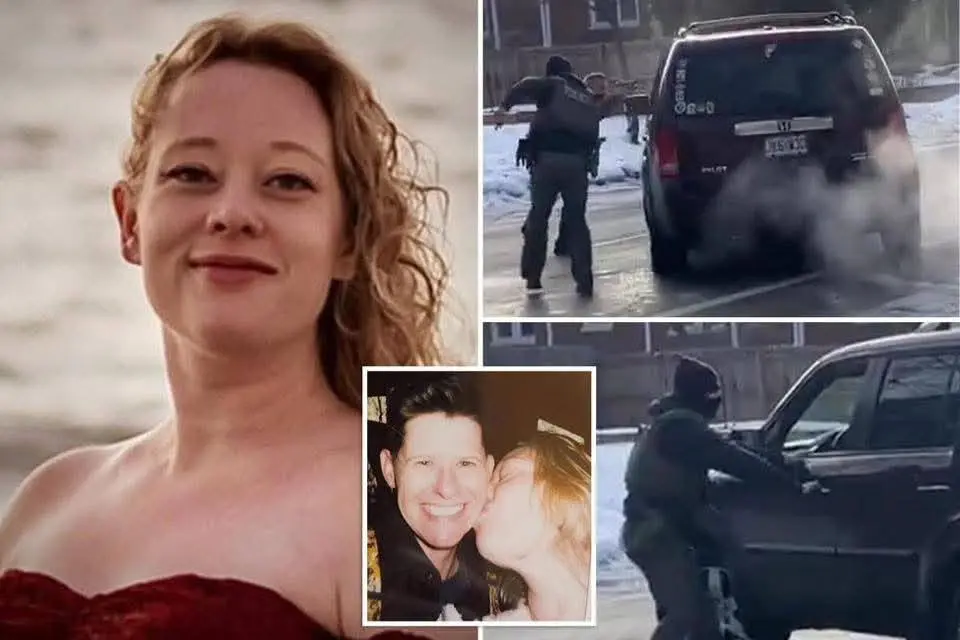
A tragic incident in Minneapolis has once again brought national attention to the operations of U.S. Immigration and Customs Enforcement (ICE). On Wednesday morning, a 37-year-old woman was fatally shot by an ICE officer during a federal immigration operation in the city. The victim, later identified as Renee Nicole Good, was killed in front of a family member in a residential neighborhood, sparking immediate outrage from the public, city officials, and political leaders. Minnesota Governor Tim Walz has called for a full investigation into the circumstances surrounding the shooting.
This article explores what is known about the incident, the reactions from local and federal authorities, community responses, and the broader implications for immigration enforcement in the United States.
The Fatal Shooting
The fatal shooting occurred in the south Minneapolis residential area shortly after 9:30 a.m., not far from downtown and close to historic immigrant markets. Witnesses reported seeing ICE officers engaging in a targeted operation when the woman was shot in the head.
The incident was captured on video by bystanders, and the footage quickly circulated on social media, drawing widespread attention.
Officials from ICE described the shooting as an act of self-defense, claiming that the officer perceived a threat during the operation. However, Mayor Jacob Frey and other city officials have criticized the use of lethal force, calling it reckless, unnecessary, and avoidable in a densely populated neighborhood.
The location of the shooting is particularly significant, occurring about 1.6 kilometers from the site where George Floyd was killed in 2020, a painful reminder of Minneapolis’ history with law enforcement use of deadly force.
Victim Identified
Authorities have confirmed that the woman shot by the ICE officer was Renee Nicole Good, 37, a resident of Minneapolis. According to family members, Renee was in her neighborhood when the incident occurred, and her death has left her loved ones grieving and demanding accountability.
Family statements describe Renee as a compassionate and community-oriented individual. Her death has galvanized local communities to call for justice, highlighting concerns over federal enforcement agencies operating within cities without sufficient local oversight.
Governor Walz Calls for Investigation
Following the incident, Governor Tim Walz publicly demanded a thorough and transparent investigation into the shooting. He emphasized the need for clarity and accountability, urging federal and local authorities to work together to ensure that the facts are fully documented and made public.
Governor Walz’s intervention underscores the severity of the incident and the state-level concern over federal law enforcement operations that have the potential to endanger civilians. Walz also noted the importance of community trust and public safety, highlighting the delicate balance between enforcing federal immigration laws and protecting local residents.
Community Response
The shooting has sparked immediate public protests and vigils. Residents gathered near the scene to mourn the victim and express anger toward ICE’s operations in their city. Hundreds of people attended evening vigils, calling for federal agents to leave the community and for stricter oversight of law enforcement activities.
Community leaders have voiced concerns that ICE operations in urban areas may escalate tensions and risk unnecessary violence, particularly in neighborhoods with vulnerable populations. The incident has reignited conversations about sanctuary city policies and the role of federal agencies in municipalities that have historically resisted aggressive immigration enforcement.
Federal Perspective
ICE has released a brief statement acknowledging the shooting but largely framed it as a justified act in the context of a law enforcement operation. Federal officials have emphasized that officers acted in accordance with their training and perceived the situation as a threat.
However, federal statements have done little to calm public anger, with many critics arguing that the agency’s approach prioritizes enforcement over public safety, particularly in residential neighborhoods.
Legal analysts suggest that incidents like these may increase scrutiny on federal enforcement tactics and could trigger new policy evaluations at the national level.
Legal Implications
The fatal shooting raises several potential legal and civil rights questions. Lawyers and civil rights advocates point out that:
Families may file wrongful death lawsuits against the federal government or individual officers.Local authorities could pursue investigations into possible violations of municipal policies or civil rights protections.Congressional oversight committees may examine the protocols for ICE operations in cities.
Given the national attention on law enforcement use of force, this incident may have lasting legal ramifications not just for Minneapolis, but for federal immigration enforcement nationwide.
Historical Context
Minneapolis has a long history of contentious relationships between local communities and law enforcement. The city’s past experiences with high-profile police killings, including the death of George Floyd in 2020, have made residents particularly sensitive to incidents involving federal officers.
ICE operations in urban areas have long been criticized for aggressive tactics, lack of transparency, and insufficient coordination with local authorities. The death of Renee Nicole Good is now part of a larger debate about how federal enforcement should operate within municipalities that prioritize public safety and civil liberties.
Political Ramifications
The shooting has political consequences at multiple levels:
Local leaders, including Mayor Jacob Frey, are pressing for federal accountability and transparency.State officials, led by Governor Walz, are calling for immediate investigation and potential policy review.Federal authorities face pressure to justify operations and evaluate the risks posed by enforcement actions in populated areas.
Nationally, the incident is likely to fuel debates over immigration enforcement policy, sanctuary city protections, and the use of lethal force by federal officers. It may also influence upcoming elections and policy discussions regarding ICE operations and community safety.
Ongoing Investigations
Investigations are underway, involving:
FBI and local law enforcement authorities, coordinating to review the incident.Examination of video evidence, witness statements, and officer reports.Potential internal review by ICE and oversight agencies.
Authorities have stressed the importance of transparency and the need to restore community trust following the shooting. The investigation’s findings will likely determine whether legal or disciplinary action is taken against the officer involved.
Public Awareness and Advocacy
Community groups and advocacy organizations are urging the public to remain engaged, emphasizing that:
Residents should document incidents and advocate for safety measures.Officials must ensure accountability and proper review of federal operations.Public pressure is critical to prevent future tragedies and reform enforcement practices.
The incident has also sparked national media coverage, ensuring that the discussion around federal enforcement, civil rights, and public safety continues to be in the spotlight.
Conclusion
The fatal shooting of Renee Nicole Good by an ICE officer in Minneapolis is a tragic and complex event that highlights tensions between federal enforcement and local communities. With Governor Tim Walz demanding an investigation and community protests underway, the city faces critical questions about accountability, safety, and oversight.
This incident underscores the broader debate over how ICE operates in U.S. cities, particularly in neighborhoods with vulnerable populations. The outcome of the investigation may have significant implications for federal immigration enforcement policies, legal accountability, and community trust nationwide.
As Minneapolis and Minnesota demand answers, the nation watches closely, emphasizing the urgent need for transparent, accountable, and community-focused law enforcement practices.