U.S. Representative Dan Goldman has publicly called for criminal charges against an Immigration and Customs Enforcement (ICE) agent following the release of video footage that appears to show a fatal use of force during an enforcement operation. Goldman described the incident as an “outright murder,” arguing that the officer involved should not only be fired and suspended but also charged with murder based on the evidence visible in the video.
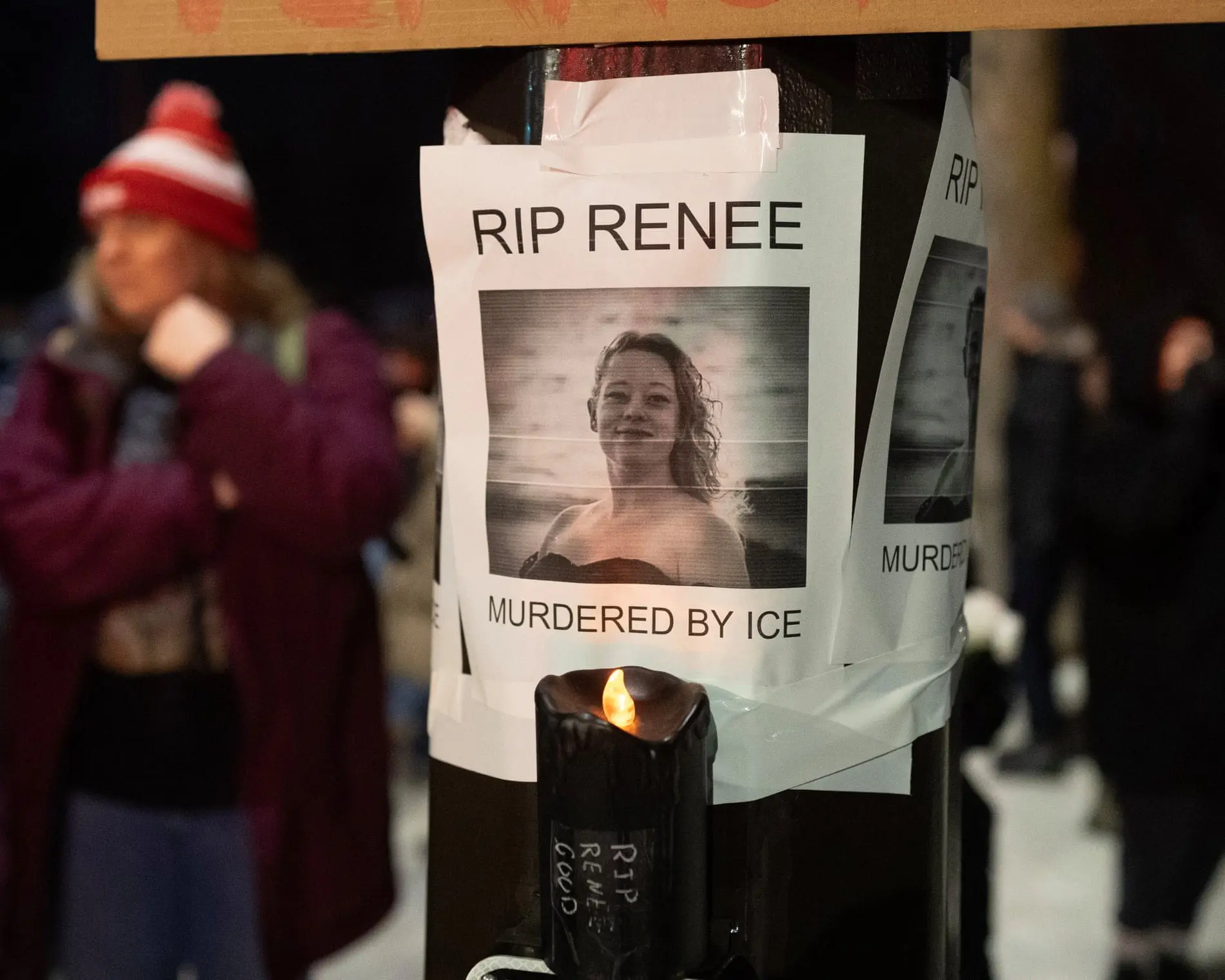
The statement has intensified an already heated national debate over ICE enforcement practices, police accountability, and the use of deadly force by federal law enforcement officers. As the video circulates widely online, civil rights advocates, legal experts, and lawmakers are weighing in on whether the actions captured rise to the level of criminal conduct.
Dan Goldman’s statement sparks national attention
Dan Goldman, a Democrat and former federal prosecutor, made his remarks after reviewing video footage that allegedly shows an ICE agent fatally shooting an individual during an encounter. According to Goldman, the video does not support claims of justified self-defense and instead shows conduct that, in his view, meets the legal threshold for murder.
“It was an outright murder,” Goldman said, emphasizing that administrative discipline alone would be insufficient. He added that firing or suspending the officer would not satisfy the demands of justice if the facts support criminal prosecution.
Goldman’s background as a prosecutor has given additional weight to his comments, with supporters noting that he is speaking not only as a politician but also as someone familiar with criminal law standards and evidentiary review.
The role of video evidence in use-of-force cases
Video footage has increasingly become central to investigations involving law enforcement use of force. In this case, Goldman and other critics argue that the video undermines any justification for lethal action and provides clear visual evidence of wrongdoing.
Legal analysts note that video can significantly influence both public opinion and prosecutorial decisions. While prosecutors must still evaluate intent, threat perception, and applicable use-of-force standards, clear footage can narrow the range of plausible defenses.
However, experts also caution that videos do not always capture the full context of an encounter, such as prior actions, verbal commands, or perceived threats outside the camera’s frame. This tension often shapes the legal and political debate surrounding high-profile cases involving police or federal agents.
Calls for ICE accountability grow louder
Goldman’s remarks have amplified long-standing concerns about accountability within ICE. Advocacy groups have accused the agency of operating with limited oversight and insufficient transparency, particularly in incidents involving serious injury or death.
Critics argue that internal investigations and administrative reviews rarely result in meaningful consequences, reinforcing the need for independent prosecutors to assess potential criminal liability. Goldman echoed this view, stressing that internal discipline should not replace the criminal justice process when lethal force may have been unlawfully used.
Supporters of ICE, on the other hand, contend that agents operate in dangerous environments and must make split-second decisions. They warn against what they describe as “trial by video” and urge investigators to consider the totality of circumstances before reaching conclusions.
Political fallout and partisan divides
The incident has quickly become a flashpoint in the broader political battle over immigration enforcement. Progressive lawmakers and civil rights organizations have rallied behind Goldman’s call for charges, framing the case as emblematic of systemic abuses within immigration enforcement.
Conservative lawmakers have pushed back, accusing critics of undermining law enforcement morale and prejudging an ongoing investigation. Some argue that inflammatory rhetoric could discourage agents from performing their duties or expose them to political retaliation.
Despite these divisions, there is growing bipartisan agreement that transparency is essential. Several lawmakers have called for the full release of all available footage and investigative findings to allow the public to assess the case independently.
Legal standards for charging an officer with murder
Charging a law enforcement officer with murder is legally complex and relatively rare. Prosecutors must typically prove beyond a reasonable doubt that the officer acted with the requisite criminal intent or extreme recklessness and that the use of deadly force was not legally justified.
Goldman’s assertion that the video supports a murder charge suggests he believes the evidence meets this high bar. Whether prosecutors agree will depend on factors such as the officer’s stated perception of threat, compliance with agency policies, and applicable federal or state laws governing use of force.
If charges were to be filed, the case would likely become one of the most closely watched prosecutions involving a federal immigration agent in recent years.
Public reaction and protests
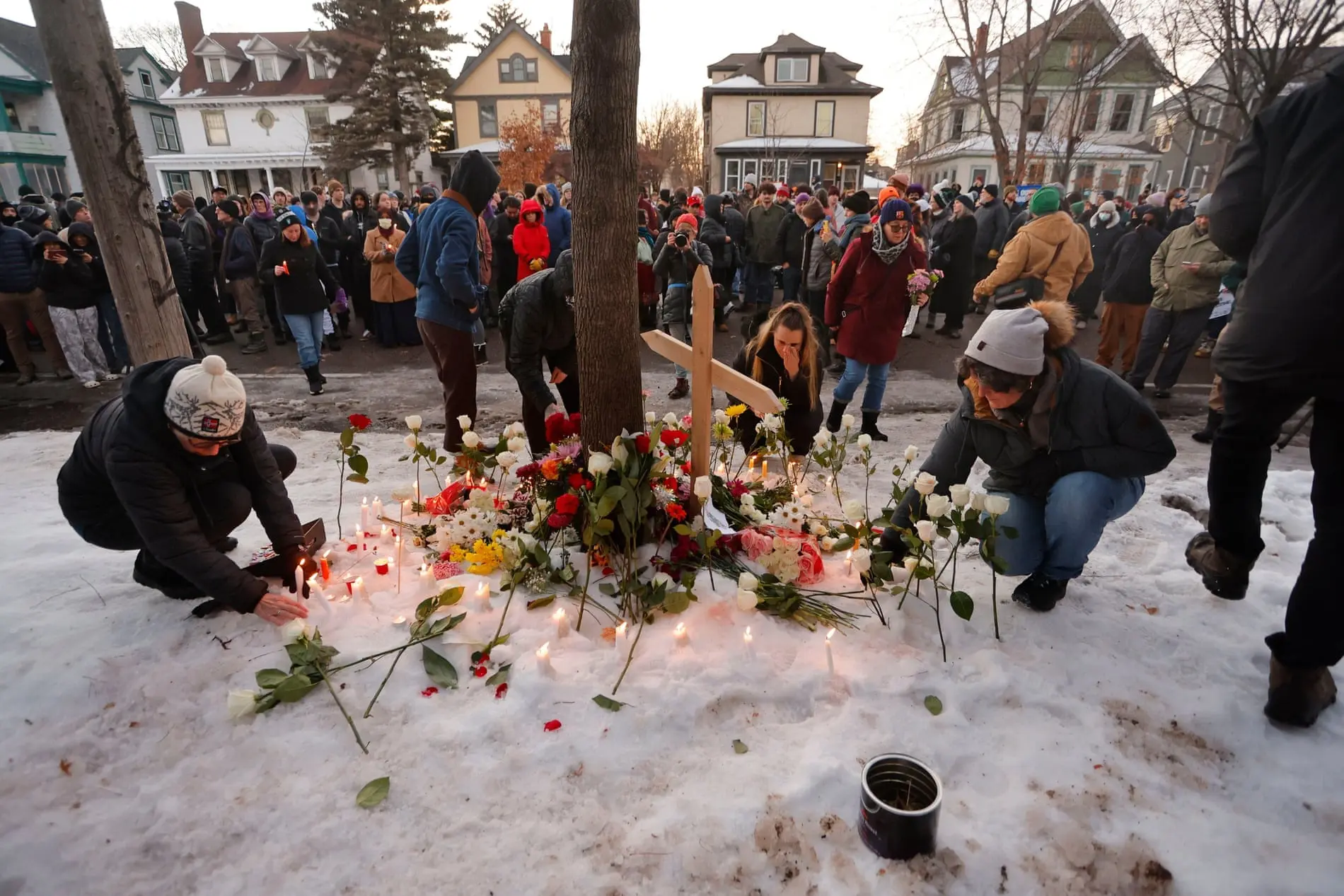
Public reaction to Goldman’s comments has been swift. Social media platforms have seen widespread sharing of the video, accompanied by calls for justice and accountability. In several cities, activists have organized demonstrations demanding charges against the ICE agent and broader reforms to immigration enforcement practices.
For many protesters, the case resonates with previous incidents involving police violence, reinforcing demands for systemic change rather than isolated disciplinary actions.
Broader implications for ICE and federal law enforcement
Beyond the individual case, the controversy raises broader questions about oversight of federal law enforcement agencies. Unlike local police departments, ICE operates under federal authority, which can complicate investigations and limit the role of local prosecutors.
Goldman and others have suggested that Congress may need to strengthen oversight mechanisms or clarify standards for prosecuting federal agents accused of serious crimes.
What happens next
As investigations continue, prosecutors will determine whether the evidence supports criminal charges. The outcome could have far-reaching implications—not only for the officer involved but also for ICE’s policies, public trust in federal law enforcement, and the political landscape surrounding immigration.
For now, Dan Goldman’s forceful call for a murder charge has ensured that the case remains in the national spotlight. Whether his assessment is ultimately upheld in court will depend on the legal process, but the debate it has ignited is unlikely to fade anytime soon.