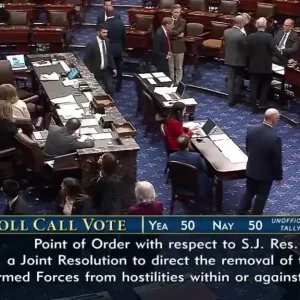
Reports circulating in Washington suggest that House Democrats are engaged in behind-the-scenes discussions with a small group of moderate Republicans in an effort to reach the 218 votes needed to impeach former President Donald Trump before March 31. The alleged push centers on accusations of abuse of power, marking what would be one of the most consequential political developments in recent U.S. history if it were to advance.
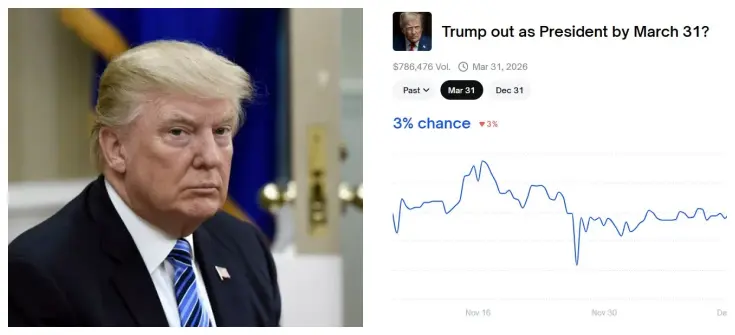
While no formal impeachment resolution has yet been scheduled for a vote, multiple political analysts say conversations across party lines have intensified amid renewed scrutiny of Trump’s actions and ongoing investigations tied to his conduct in office.
Why 218 votes matter in a House impeachment effort
Under the U.S. Constitution, impeachment requires a simple majority vote in the House of Representatives. With 435 members in the chamber, that threshold stands at 218 votes. Democrats alone do not currently command a margin large enough to guarantee passage without near-unanimous party support, making any potential Republican defections critical.
Moderate Republicans—particularly those representing swing districts—are reportedly at the center of these discussions. According to sources familiar with the matter, Democratic leadership is exploring whether concerns about executive overreach, constitutional norms, and accountability could persuade a limited number of Republicans to support articles of impeachment.
Allegations of abuse of power resurface
The reported impeachment push focuses on allegations of abuse of power, a charge that has historically formed the backbone of impeachment cases against U.S. presidents. Abuse of power typically refers to actions taken by a president that exceed constitutional authority or use official power for personal or political gain.
Supporters of impeachment argue that recent findings and public disclosures warrant renewed congressional action. They contend that failure to respond could set a dangerous precedent for future presidents.
Opponents counter that the accusations are politically motivated and warn that reopening impeachment proceedings would further polarize the country.
The role of moderate Republicans
Moderate Republicans are seen as key swing votes in any impeachment effort. Many of these lawmakers have previously expressed discomfort with Trump’s rhetoric or actions but have stopped short of supporting impeachment due to party loyalty or constituent concerns.
Political strategists say Democrats are framing the issue not as a partisan attack, but as a constitutional responsibility. The argument centers on the idea that impeachment is a safeguard designed to protect democratic institutions, regardless of party affiliation.
Still, persuading Republicans to cross party lines remains a formidable challenge.
Timeline pressure: Why March 31 matters
The reported March 31 deadline has added urgency to the discussions. Observers say the date is significant because it would allow impeachment proceedings to move forward before the 2026 election cycle fully dominates congressional priorities.
A vote before that date could also shape the political narrative heading into the summer, potentially influencing fundraising, primary races, and voter turnout.
However, some lawmakers privately question whether such a timeline is realistic, given the procedural steps required to draft, debate, and vote on articles of impeachment.
Democratic strategy and internal debates
Within the Democratic caucus, opinions on impeachment are not entirely unified. Progressive members have pushed for swift action, arguing that accountability delayed is accountability denied. More centrist Democrats have urged caution, warning that impeachment could backfire politically if public support is insufficient.
House Democratic leaders are reportedly attempting to balance these competing pressures while quietly assessing vote counts and potential Republican support.
Publicly, leadership has emphasized that any decision will be guided by facts, evidence, and constitutional duty rather than political expediency.
Republican resistance and counterarguments
Republican leadership has dismissed reports of bipartisan impeachment talks as speculative or exaggerated. Several GOP lawmakers have stated that there is no appetite within the party to support impeachment, calling the effort a distraction from pressing issues such as inflation, border security, and foreign policy.
Some Republicans have also questioned the legal basis for renewed impeachment efforts, particularly if they involve actions that have already been reviewed by Congress or the courts.
Public opinion and political risk
Public opinion remains a decisive factor. Polls in recent years have shown the country sharply divided on impeachment-related issues, often along partisan lines. Any successful effort would likely require not only congressional votes but also a level of public acceptance that impeachment is justified.
Political analysts warn that a failed or narrowly passed impeachment could energize Trump’s supporters and reshape the 2026 political landscape in unpredictable ways.
At the same time, Democratic activists argue that avoiding impeachment due to political risk undermines the rule of law.
What happens if impeachment passes the House
If the House were to approve articles of impeachment, the process would move to the Senate, where a two-thirds majority would be required to convict. That threshold is widely viewed as unlikely, given current Senate dynamics.
Nevertheless, supporters argue that impeachment serves a broader purpose beyond removal from office, including establishing a historical record and reaffirming constitutional limits on executive power.
Conclusion
Reports that House Democrats are working with moderate Republicans to reach 218 votes to impeach Donald Trump before March 31 underscore the volatility of the current political moment. While significant obstacles remain, the discussions themselves reflect ongoing tensions over accountability, executive authority, and the future of American democracy.
Whether these talks result in formal action or remain political maneuvering, they highlight how deeply impeachment continues to shape U.S. politics—and how consequential the coming weeks could be.