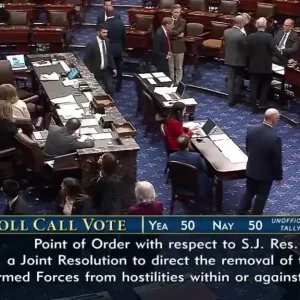
In a rare rebuke of presidential authority, the U.S. Senate voted 52 to 47 to advance a resolution that would block President Donald Trump from using military force against Venezuela without authorization from Congress. The historic vote reflects growing bipartisan concern over executive military actions following a dramatic U.S. military operation in Caracas, where Venezuelan President Nicolás Maduro was captured in a raid earlier this month.
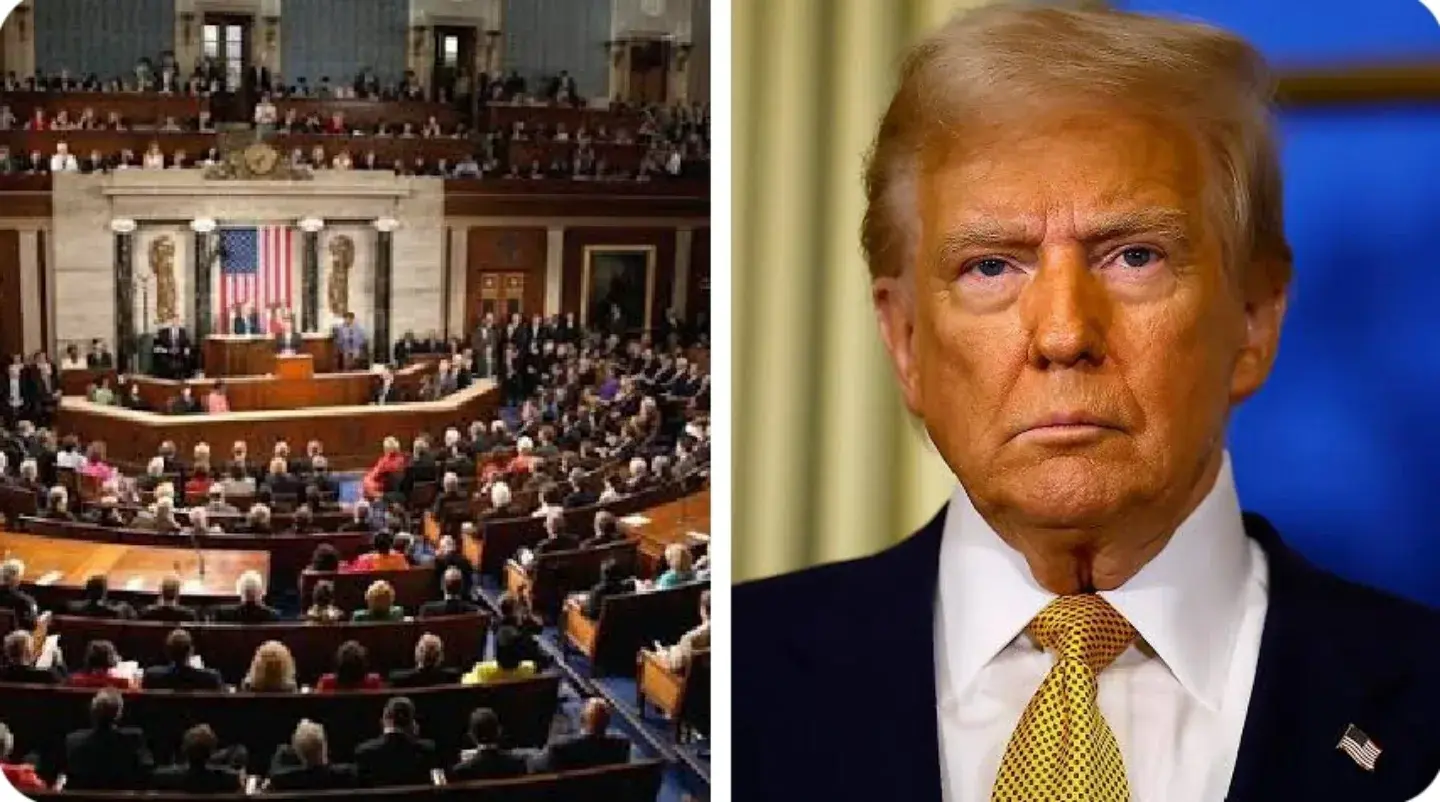
The resolution, a War Powers Act measure, marks a significant moment in the ongoing debate over Constitutionally mandated checks and balances between the legislative and executive branches. While the resolution faces uncertain prospects in the House of Representatives and will likely be vetoed by the president, the Senate’s decision signals a shift in congressional assertiveness and public debate over U.S. foreign policy.
What the Senate Vote Means
The Senate vote was not a final passage of the bill, but rather a key procedural step to advance a War Powers Resolution aimed at curbing the president’s unilateral military authority. By passing this measure 52–47, the Senate has opened debate on a full limitation of presidential war powers in relation to Venezuela.
Five Republican senators — Rand Paul, Lisa Murkowski, Susan Collins, Todd Young, and Josh Hawley — joined all Senate Democrats in supporting the motion, reflecting bipartisan unease with recent military escalation.
Under the U.S. Constitution, Congress holds the exclusive power to declare war. However, past presidents have often used their authority as Commander in Chief to engage in military actions without formal declarations of war or prior congressional approval. The current resolution would require President Trump to obtain consent from Congress before authorizing future military operations against Venezuela.
Background: Military Actions in Venezuela
The Senate’s vote came amid heightened tensions following a controversial U.S. military operation in Venezuela earlier in January 2026, during which U.S. forces conducted a surprise raid in Caracas that culminated in the capture of Venezuelan President Nicolás Maduro and his wife. Critics of the operation argue that it represented an unauthorized military action that bypassed congressional oversight, triggering concerns about executive overreach and legal authority.
Although the Trump administration maintains that the raid was justified on national security grounds and aimed at combating drug trafficking networks and destabilizing threats, lawmakers on both sides of the aisle have expressed alarm over the lack of transparency and consultation with Congress prior to the operation.
Bipartisan Concern and Congressional Responsibility
The resolution’s supporters argue that the Constitution clearly vests the war-making power in Congress and that military engagement should not occur without legislative oversight. Senator Tim Kaine (D‑VA), the sponsor of the resolution, has emphasized that unchecked executive powers could entangle the U.S. in protracted conflicts with unclear objectives or legal justification.
“Today’s Senate vote demonstrates the importance of Congress reasserting its constitutional role in decisions of war and peace,” said Senate Minority Leader Chuck Schumer (D‑NY) following the vote. Lawmakers backing the resolution argue that every American, including lawmakers and military personnel, deserves clarity on why and when the United States commits military force overseas.
Additionally, Republican senators who supported the resolution have framed their votes as a defense of constitutional norms rather than a critique of policy toward Venezuela. Senator Rand Paul (R‑KY), for example, has repeatedly called for legislative oversight of military actions and has expressed skepticism over open‑ended interventions without clear congressional mandates.
Presidential Response and Political Fallout
President Trump sharply criticized the Senate vote shortly after its conclusion. On social media, he condemned the Republican senators who joined Democrats, claiming that the measure would “hamper American self‑defense and national security” and accusing dissenting lawmakers of undermining U.S. military authority.
Trump’s defenders argue that the U.S. has a legitimate interest in curbing the influence of hostile regimes, combating international crime, and stabilizing geopolitically critical regions. Some in the administration point to Venezuela’s vast oil reserves and strategic position in the Western Hemisphere as factors that justify robust U.S. engagement.
The White House has also signaled its intention to veto any final version of the resolution that reaches the president’s desk. Given the Republican majority in the House of Representatives and the need for a two‑thirds majority to override a veto, the resolution’s chances of becoming law remain slim. Nevertheless, the Senate vote sets an important precedent and frames a broader debate on congressional authority and executive power.
Constitutional Implications
At the heart of the debate is a long‑standing constitutional question: Who has the authority to decide when the U.S. uses military force?
Article I of the Constitution grants Congress the power to declare war, raise and support armies, and fund military operations. Article II designates the president as Commander in Chief of the armed forces. Historically, this dual framework has led to tension and negotiation between branches when it comes to military deployments.
War Powers Resolution measures, like the one advanced this week, seek to reinforce the role of Congress and ensure that any decision to use force beyond limited engagements requires explicit legislative authority. Supporters argue that this protects the nation from unnecessary conflicts and preserves democratic accountability. Opponents contend that it could constrain the president’s ability to respond swiftly to imminent security threats.
Public and Global Reaction
The Senate vote has drawn reactions from international observers and domestic audiences alike. Advocates for congressional restraint have praised the resolution as a vital check on unilateral executive power. Legal scholars note that the Senate’s action could shape future debates over U.S. military involvement in other regions beyond Venezuela.
Meanwhile, critics claim the vote undermines U.S. credibility and military readiness, arguing that adversaries may perceive it as a weakening of American resolve. They maintain that a flexible executive war authority is essential in an unpredictable global environment.
The controversy has also stimulated discussion on how the United States approaches foreign policy strategically and ethically — particularly in Latin America, where past interventions have been met with mixed results and long‑term consequences.
What Happens Next
Following the Senate’s procedural move, the resolution will move toward a full floor debate and an eventual vote on final passage. Even if the Senate approves the measure again, it must pass the House and survive a likely presidential veto to become law.
As the debate unfolds, lawmakers, analysts, and the public will continue to scrutinize the legal and strategic rationale behind U.S. military interventions and the balance of power between Congress and the executive branch.
Regardless of its ultimate fate as law, Thursday’s vote underscores growing skepticism among members of both parties about unchecked military action — a sentiment that could influence future foreign policy debates.