The city of Minneapolis, Minnesota has become a focal point of national debate over federal immigration enforcement and civil liberties, with recent actions by U.S. Immigration and Customs Enforcement (ICE) and protests drawing widespread attention. Federal authorities have launched a major immigration operation in the region, prompting clashes with local activists and sparking discussions about the role of protest groups — including so-called “ICE Watch” organizations — in observing and challenging enforcement actions.
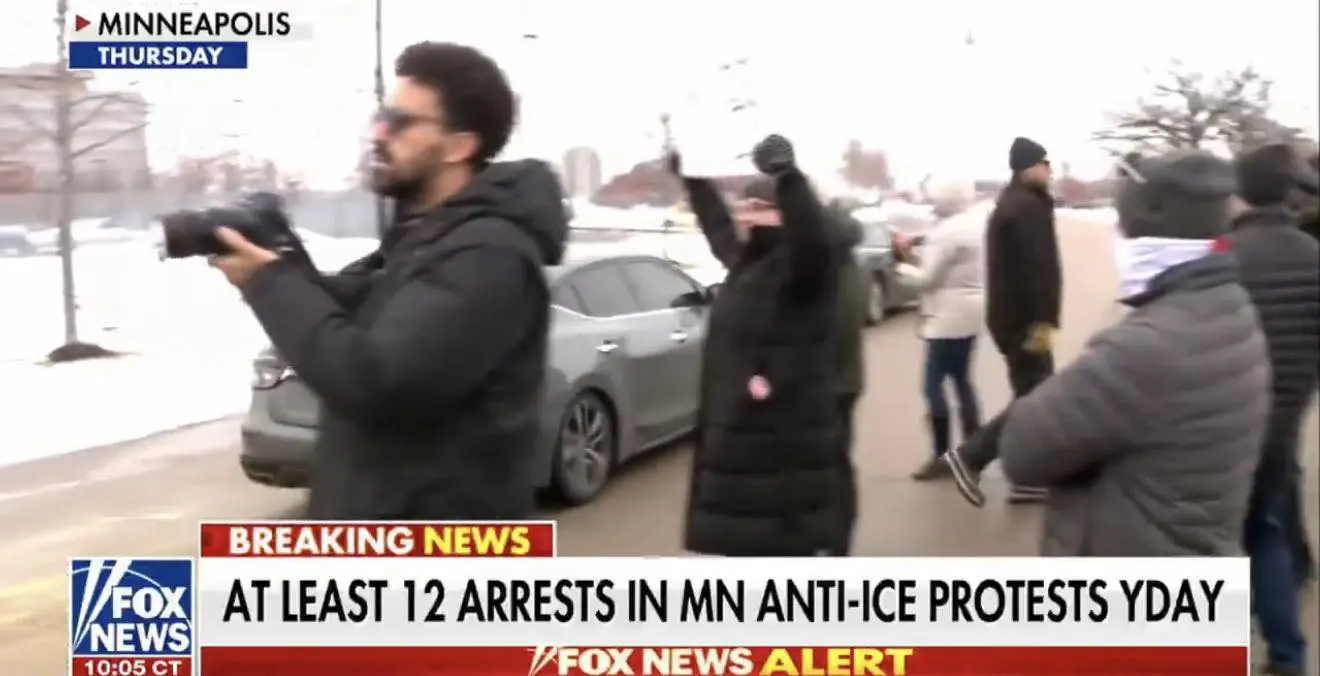
Amid these developments, at least 12 people were arrested in Minneapolis as part of the broader immigration operation, intensifying a politically charged environment.
Federal Operation Metro Surge in Minneapolis
The Trump administration has significantly expanded federal immigration enforcement in Minneapolis under an initiative dubbed Operation Metro Surge, deploying a large contingent of homeland security and ICE personnel to the Twin Cities area. Authorities describe this as one of the most extensive immigration enforcement efforts in recent years. Federal officials state the operation targets alleged immigration violations and fraud, including cases that involve alleged criminal convictions among non-citizens. According to ICE reporting, agents arrested 12 individuals in Minneapolis as part of this enforcement push, with several arrests involving non-citizens convicted of serious crimes.
The heightened federal presence is part of a broader campaign by the Department of Homeland Security and related agencies aimed at immigration enforcement in urban centers — a strategy that has drawn strong reactions from local leaders, civil rights groups, and community members.
Rise of Anti-ICE Protests in Minneapolis
As federal agents intensified their presence, anti-ICE protests have grown in Minneapolis, particularly following the fatal shooting of 37-year-old Renee Nicole Good by an ICE agent during an encounter in early January 2026. The shooting has fueled demonstrations and raised tensions between federal authorities and local residents. Local and national activist groups have organized rallies, vigils, and demonstrations demanding transparency, accountability, and a halt to aggressive immigration enforcement tactics. Law enforcement officers, including border patrol and ICE agents, have sometimes been confronted by crowds protesting federal activities in Minneapolis, with instances of pepper spray use and arrests reported.
Political leaders in Minnesota — including Mayor Jacob Frey and Governor Tim Walz — have urged for inclusive investigations and oversight following the fatal encounter and rising protests, underscoring community concerns about federal operations that appear to proceed without local cooperation.
What Are “ICE Watch” Groups?
In several U.S. cities, including Minneapolis, grassroots groups often referred to as “ICE Watch” have emerged to observe and document federal immigration enforcement activities. These organizations are composed of volunteers who seek to monitor ICE movements, track agents’ locations, and communicate information to community members in real time. Although reporting on these groups’ activities varies, some local volunteer efforts have been documented by media outlets and in community reporting. In Minneapolis, volunteers have followed ICE agents during operations, aiming to promote awareness and safety among residents.
Critics of ICE Watch organizations — including some conservative media outlets — claim the groups encourage confrontations or interference with federal enforcement, but there is no authoritative or mainstream reporting confirming that the Trump administration has launched a formal investigation specifically targeting the funders of ICE Watch chapters at the national level.
Legal and First Amendment Considerations
Protests against federal agencies, including ICE, are generally protected under the First Amendment so long as they remain peaceful and lawful. Local authorities and civil liberties organizations have repeatedly emphasized the right to assemble and express dissent. However, law enforcement officials also warn that blocking or assaulting agents, obstructing operations, or interfering with federal activities can result in arrests and prosecution under federal law.
In Minneapolis, while at least 12 arrests tied to immigration enforcement have been publicly reported, these primarily involve alleged immigration violations rather than specific charges against protest group organizers or funders. Civil rights advocates have responded to increased enforcement with legal action, including lawsuits challenging federal treatment of protesters and detainees. The American Civil Liberties Union (ACLU) and affiliated organizations have argued that some immigration enforcement practices, especially those involving aggressive tactics or treatment of demonstrators, may violate constitutional protections.
Community Reactions and Political Fallout
The situation in Minneapolis has quickly become a touchstone for broader national debates over immigration policy, federal authority, and community rights. Residents have voiced deep concerns about the impact of massive federal deployments in their neighborhoods, with some describing the operation as disruptive and intimidating. Local Somali-American community leaders have in particular raised alarm over enforcement focus in their neighborhoods, noting that many residents are lawful citizens or permanent residents whose lives have been upended by aggressive operations.
The fatal shooting of Renee Nicole Good has further galvanized community activism, prompting peaceful vigils in Minneapolis and other cities. Leaders at the state level have called for transparent review and accountability, highlighting tensions between local governance and federal enforcement priorities.
National political figures have also weighed in, with Democrats criticizing what they describe as federal overreach and Republicans defending aggressive immigration enforcement. These debates are expected to continue as public pressure mounts on both sides.
The Big Picture: Enforcement, Protests, and Policy
The ongoing situation in Minneapolis reflects a broader pattern of intensified immigration enforcement actions in several U.S. cities, as federal agencies expand operations beyond border regions into urban areas with large immigrant populations. Operation Metro Surge and similar initiatives signify a shift toward more assertive domestic enforcement strategies, even as critics warn of civil-liberties implications and community harm. Anti-ICE activism — including volunteer “ICE Watch” groups — continues to play a prominent role in how communities respond to federal policy.
While monitoring and documenting enforcement actions can help uphold transparency and protect civil rights, the intersection of protest activity and law enforcement has also led to clashes, arrests, and heated political rhetoric. At this time, news reports do not support claims of a formal investigation into the funders of ICE Watch organizations by the Trump administration.
Instead, the focus remains on federal enforcement operations, community reactions, legal challenges, and ongoing public debate about the future of immigration policy and civil liberties in the United States.