Growing Fears of Impeachment Resurface as Political Power Hangs in the Balance
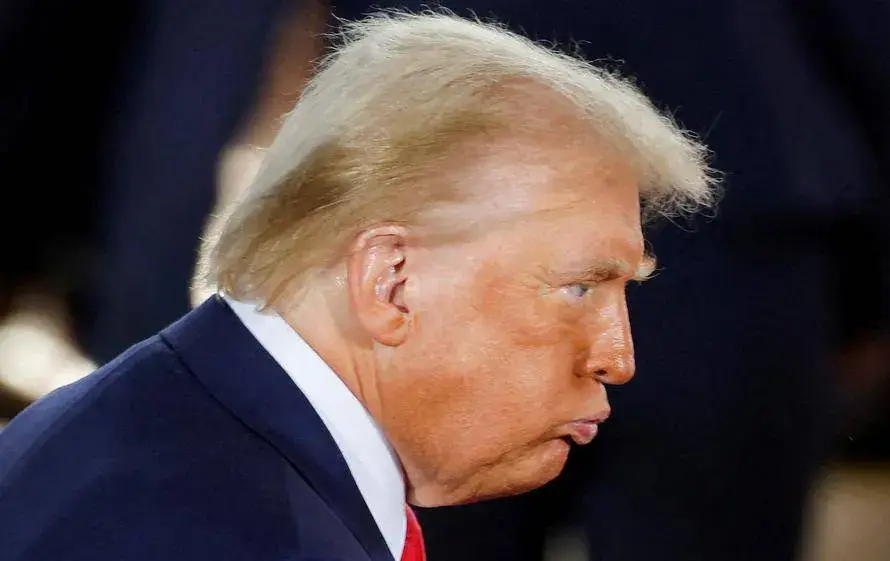
Former U.S. President Donald Trump is increasingly signaling concern that Democrats will move to impeach him if they regain control of Congress. The fear, voiced directly and indirectly through speeches, interviews, and allies, reflects how impeachment has become a central feature of modern American politics—and a looming threat tied directly to electoral outcomes.
Trump’s anxiety underscores a broader reality in Washington: political power determines oversight, and control of Congress could reopen the door to investigations and impeachment proceedings. As Democrats aim to reclaim the House in future elections, Trump is framing the battle for Congress as a personal and political survival issue.
Why Trump Believes Impeachment Is Inevitable Under Democratic Control
Trump has been impeached twice before, making him the only president in U.S. history to face impeachment on two separate occasions. Those experiences appear to have deeply shaped his view of congressional oversight.
According to Trump, Democrats are not motivated by justice or accountability, but by political retaliation. He argues that any Democratic majority would automatically pursue impeachment, regardless of new evidence or legal standards. This belief has become a recurring theme in his messaging to supporters.
By portraying impeachment as inevitable, Trump positions himself as a constant target of what he calls a hostile political establishment.
Impeachment and the Modern Political Landscape
Historically, impeachment was considered a rare and extreme constitutional measure. In recent decades, however, it has increasingly become a tool shaped by partisan dynamics.
Trump’s fear highlights this transformation. In today’s political climate:
Impeachment begins in the House, requiring only a simple majorityParty-line voting has become the normCongressional oversight often aligns with electoral incentives
As a result, impeachment is now seen by many voters as a political outcome rather than a purely legal process.
Democrats and the Accountability Argument
Democrats strongly reject Trump’s characterization of impeachment as political persecution. Instead, they argue that impeachment is a constitutional responsibility when leaders abuse power or undermine democratic institutions.
Many Democratic lawmakers maintain that no individual—former president or otherwise—should be above the law. From their perspective, oversight and impeachment are legitimate tools to protect democracy, not acts of revenge.
However, party leaders are also aware of the political risks. Impeachment efforts can energize opponents, alienate swing voters, and distract from legislative priorities.
The Role of Congress in Trump’s Political Calculations
Trump’s fear is rooted in a simple fact: impeachment authority lies entirely with the House of Representatives. If Democrats control the House, they can introduce articles of impeachment with little procedural resistance.
This reality has led Trump to emphasize congressional elections as critically important—not just for policy outcomes, but for his own political future. He frequently urges supporters to vote Republican to prevent what he describes as inevitable impeachment attempts.
In doing so, Trump blurs the line between party loyalty and personal defense.
Messaging Strategy: Fear as a Mobilization Tool
Political analysts argue that Trump’s warnings about impeachment serve a strategic purpose. By presenting impeachment as a looming threat, he:
Motivates voter turnoutPressures Republican candidates to align with himFrames elections as existential battles
Fear-based messaging has long been a powerful political tool, and Trump has used it effectively throughout his career. Impeachment, in this context, becomes both a threat and a rallying cry.
Republican Divisions Complicate the Picture
While Trump commands strong loyalty among Republican voters, not all GOP lawmakers share his approach. Some Republicans worry that constant focus on impeachment keeps the party trapped in past conflicts instead of promoting future-oriented policies.
Others fear that Trump’s framing could alienate moderates and independents, particularly in competitive districts. These internal divisions make congressional elections even more unpredictable—and heighten Trump’s concern about losing institutional protection.
Public Opinion Remains Deeply Divided
Polls consistently show that Americans are sharply divided on Trump and impeachment. While Democratic voters largely support accountability measures, Republican voters overwhelmingly oppose them.
Independents, however, are more nuanced. Many express frustration with repeated impeachment battles and prefer lawmakers focus on economic and social issues.
Trump’s fear reflects this uncertainty. A shift among independent voters could determine control of Congress—and, in his view, his vulnerability to impeachment.
What Would Impeachment Actually Mean for Trump?
Even if Democrats were to impeach Trump again, conviction would require a two-thirds vote in the Senate—an extremely high bar. Still, impeachment alone carries significant consequences:
Renewed media scrutinyPolitical damageHistorical stigma
For Trump, the process itself is viewed as punishment, regardless of outcome. This belief explains why he treats impeachment as a serious threat rather than a symbolic gesture.
A Reflection of America’s Polarized Democracy
Trump’s fear of impeachment is not just personal—it reflects the deep polarization of American democracy. When elections determine not only policy direction but also personal legal and political risk, trust in institutions erodes.
Supporters see Trump as a victim of relentless opposition. Critics see him as someone attempting to evade accountability by weaponizing political loyalty.
Conclusion: Power, Fear, and the Future of Impeachment
Trump’s concern that Democrats will impeach him if they reclaim Congress reveals how deeply impeachment has become intertwined with electoral politics. No longer an abstract constitutional mechanism, impeachment is now a central campaign issue and a symbol of partisan struggle.
As future elections approach, control of Congress will determine not only legislative priorities—but also the scope of accountability for powerful political figures. Whether Trump’s fears are justified or exaggerated, they underscore the high stakes of America’s ongoing political battles.