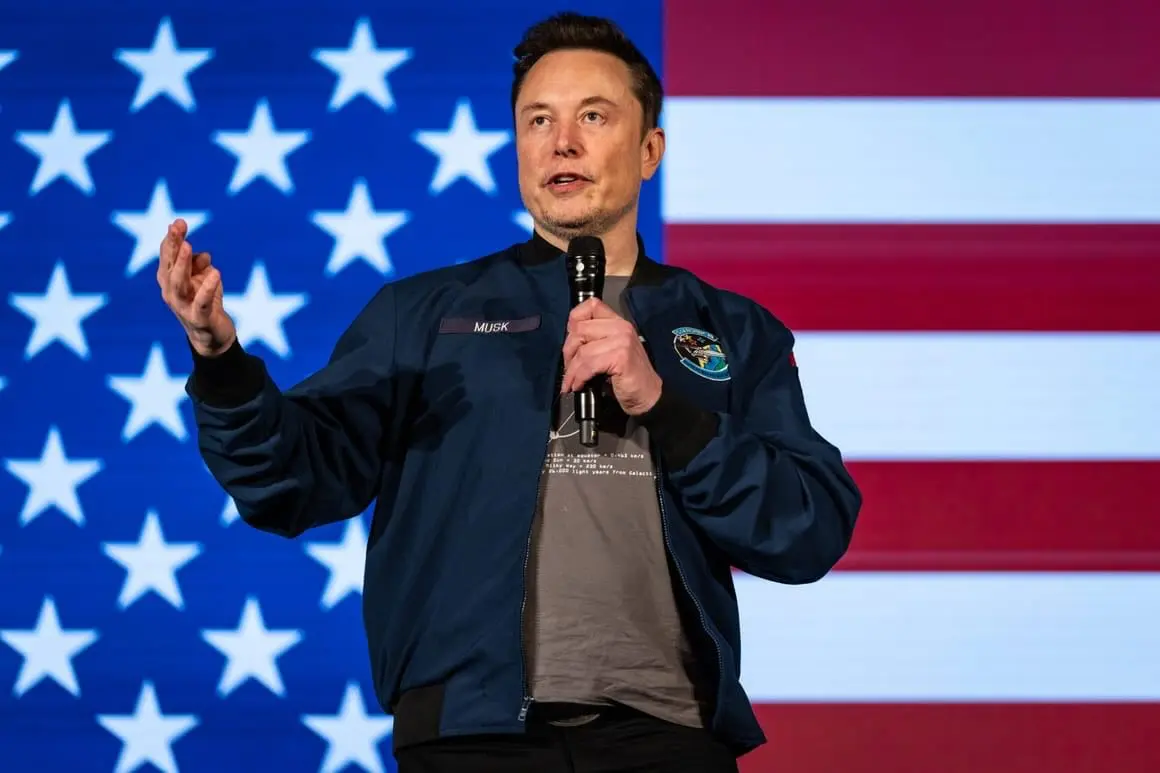
Elon Musk, the billionaire entrepreneur and CEO of X (formerly known as Twitter), has publicly condemned the UK government for what he describes as attempts to suppress free speech. This statement comes in the wake of recent threats from UK ministers to impose fines and potentially ban the platform, citing concerns over content moderation and regulatory compliance. Musk did not mince words, accusing the government of acting in a “fascist” manner, even as critics point to the platform’s ongoing challenges with controversial content, including sexualized AI-generated images of women and children.
UK Government’s Threats to X
The UK government has long been concerned about online platforms and their responsibility in monitoring harmful content. Recent reports indicate that ministers have threatened fines for non-compliance with content regulations or, in extreme cases, a ban on X if the platform fails to adhere to UK law. These measures are part of the government’s broader push to regulate social media platforms to protect vulnerable users, particularly minors, from harmful or exploitative content.
The government’s threats have been framed as a necessary step to ensure safety online. However, critics argue that the approach may overstep the boundaries of free expression, leading to a heated debate about the balance between regulation and censorship.
Elon Musk’s Response
Elon Musk has reacted strongly to these developments. On social media and in public statements, he labeled the UK government’s actions as “fascist” and an infringement on free speech.
Musk, known for his outspoken defense of open expression on X, warned that such governmental pressure threatens the foundational principle of the platform as a space for uncensored dialogue.
Musk’s comments have sparked widespread discussion, highlighting the tension between governments’ responsibility to regulate harmful content and the tech industry’s commitment to freedom of speech. For Musk, the government’s approach represents a dangerous precedent where political authorities attempt to dictate the boundaries of public discourse.
The Controversy Surrounding X
While Musk frames the debate as a fight for free speech, X itself has faced criticism for failing to adequately control certain types of content. Notably, the platform has been used to distribute sexualized AI-generated images of women and children, raising serious ethical and legal questions.
Critics argue that Musk’s defense of free speech is complicated by these issues, suggesting that the platform’s commitment to open expression must be balanced with responsibilities to protect users from harmful content.
This controversy has intensified scrutiny from regulators and governments worldwide. In the UK, the proposed fines and potential ban reflect the government’s concern that X is not doing enough to prevent the circulation of illegal or exploitative material.
Musk’s sharp rebuke of these measures, therefore, adds another layer of complexity to the ongoing debate over platform responsibility.
Free Speech vs. Platform Responsibility
The clash between Musk and the UK government underscores a fundamental challenge in the digital age: how to reconcile free speech with platform accountability. Proponents of Musk’s stance argue that attempts to regulate social media too strictly could stifle public discourse, limit political debate, and undermine democratic values. They contend that platforms should be spaces where diverse voices can be heard, even if some content is controversial.
On the other hand, advocates for stricter regulation emphasize that platforms like X have a duty to protect vulnerable populations, especially children, from exploitation and abuse. They argue that failing to moderate harmful content effectively allows illegal and unethical material to spread, creating real-world harm.
In this context, government intervention is seen as a necessary safeguard, rather than an attack on freedom of expression.
The Broader Implications for Social Media
Musk’s confrontation with the UK government is emblematic of a larger global debate. Social media platforms worldwide are under increasing pressure to balance freedom of speech with the ethical obligation to prevent harm. From AI-generated content to misinformation campaigns, regulators are grappling with how to create rules that protect users without undermining the openness that has defined the internet.
For tech leaders like Musk, this tension is particularly pronounced. X was built on principles of open dialogue and minimal moderation, but these principles are increasingly at odds with modern regulatory expectations.
The UK government’s hardline stance may set a precedent for other nations, signaling that tolerance for unmoderated content has limits, particularly when the content involves sexualized depictions of minors or other illegal material.
Musk’s Influence on the Free Speech Debate
Elon Musk’s comments carry significant weight due to his prominence and the influence of X as a global communication platform. His labeling of the UK government as “fascist” is likely to resonate with free speech advocates and ignite debate among policymakers, journalists, and the public.
However, critics argue that Musk’s rhetoric can also distract from the very real issues of content moderation and online safety, which require careful attention and action.
Despite this criticism, Musk has consistently framed his leadership of X around the principle that free speech is essential for societal progress. By publicly opposing government intervention, he reinforces his image as a champion of unregulated discourse, appealing to users who value open dialogue above all else.
Legal and Regulatory Challenges Ahead
The confrontation between Musk and the UK government is not merely symbolic—it has real legal and financial implications. Potential fines for non-compliance could reach significant levels, and a ban on X in the UK would represent a major disruption for both the platform and its users.
Musk’s challenge is therefore not only philosophical but also practical: he must navigate complex legal landscapes while maintaining the platform’s identity as a free speech forum.
Legal experts suggest that the case could have far-reaching consequences for social media regulation, influencing how other countries approach platform oversight. If the UK succeeds in enforcing stricter measures on X, it could embolden regulators elsewhere to take similar action, reshaping the global social media landscape.
Conclusion
Elon Musk’s strong condemnation of the UK government highlights the tension between free speech and platform responsibility in the digital era. While Musk accuses ministers of “fascism” for threatening fines and potential bans, critics point to serious ethical concerns, including the circulation of sexualized AI-generated images on X.
This controversy underscores a broader debate about the role of governments in regulating social media, the ethical obligations of platforms, and the limits of free expression.
As the situation unfolds, it is clear that neither side will yield easily. Musk’s defense of open dialogue clashes with the government’s duty to protect citizens, particularly vulnerable users, from harm.
The outcome will likely shape the future of content moderation, free speech, and regulatory oversight—not only in the UK but across the global social media ecosystem. For now, the standoff between Elon Musk and UK ministers remains a defining moment in the ongoing struggle to balance freedom and responsibility online.