In a move that could reshape the global pharmaceutical landscape, China is reportedly planning to approve Russia’s new cancer vaccine and sign major cooperation deals with Russian pharmaceutical firms. The initiative, if executed, has the potential to disrupt up to $2.6 trillion worth of U.S. and European pharmaceutical markets.
This development signals a significant shift in the global healthcare and pharmaceutical industry, highlighting the growing influence of Sino-Russian collaboration in biotechnology and drug development.
China’s Approval of Russia’s Cancer Vaccine
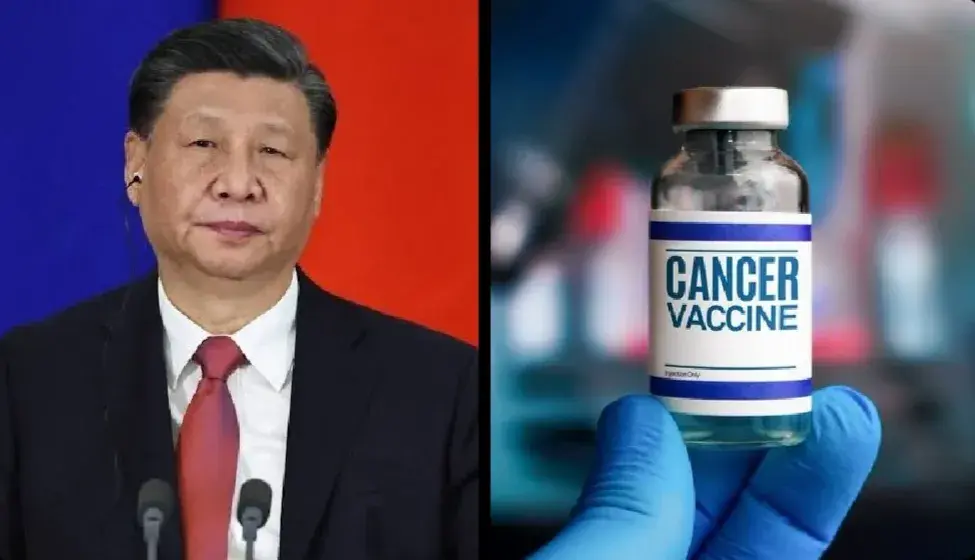
According to recent reports, China is moving forward with regulatory approval for Russia’s innovative cancer vaccine. This vaccine, developed using advanced immunotherapy techniques, has shown promising results in preliminary clinical trials, targeting multiple cancer types.
The approval in China could open the doors to one of the world’s largest healthcare markets, providing Russian pharmaceutical firms with unprecedented access to Chinese patients and investment opportunities.
For China, approving this vaccine aligns with its strategy to diversify healthcare solutions and reduce dependence on Western pharmaceutical innovations. By embracing Russian biotechnology, China could accelerate domestic cancer treatment options while positioning itself as a major player in the global pharmaceutical ecosystem.
Major Sino-Russian Pharmaceutical Deals
Alongside the vaccine approval, China is reportedly negotiating significant pharmaceutical cooperation deals with Russian firms. These agreements are expected to cover joint research, co-manufacturing of medicines, and technology transfer. Analysts suggest that these deals could include collaborations on vaccines, rare disease treatments, and oncology drugs.
Such cooperation would not only strengthen Russia’s pharmaceutical sector but also challenge the dominance of U.S. and European companies in global healthcare. By pooling research capabilities and market access, China and Russia could develop competitive alternatives to Western drugs, potentially capturing a substantial share of the global pharmaceutical market.
Potential Disruption to U.S. and European Pharmaceutical Industries
The global pharmaceutical industry is currently valued at approximately $2.6 trillion, with U.S. and European companies holding a significant portion of the market. The entry of a Russia-developed cancer vaccine into China, combined with long-term Sino-Russian partnerships, could pose a serious threat to this dominance.
Western pharmaceutical giants may face increased competition as China and Russia leverage lower production costs, streamlined regulatory approvals, and strategic market positioning. The availability of affordable, effective cancer treatments could shift patient demand away from U.S. and European products, leading to potential revenue losses and market share erosion.
Strategic Implications for Global Healthcare
The approval of Russia’s cancer vaccine in China and the expansion of Sino-Russian pharmaceutical cooperation carry strategic implications beyond economics. For one, it represents a shift in the global power dynamics of drug development, highlighting the rise of non-Western players in biotechnology.
Additionally, these developments could accelerate innovation in oncology and other medical fields. By combining Chinese manufacturing efficiency with Russian research expertise, the partnership may yield faster development timelines, broader clinical applications, and more affordable treatments for patients worldwide.
Economic and Geopolitical Considerations
This move comes at a time of heightened geopolitical tensions between Western nations and the China-Russia alliance. The pharmaceutical collaboration could be seen as part of a broader strategy to reduce reliance on Western medicine and technology.
By establishing a strong, independent pharmaceutical network, China and Russia may strengthen their geopolitical influence, particularly in emerging markets where access to affordable medicines is critical.
The economic impact could also extend to global investors. U.S. and European pharmaceutical companies may need to adjust strategies, reassess market forecasts, and accelerate innovation pipelines to remain competitive against a growing Sino-Russian presence.
Challenges and Risks
While the potential for disruption is significant, the path forward is not without challenges. Regulatory hurdles, clinical trial requirements, and potential public skepticism about the vaccine’s safety and efficacy could slow adoption. Additionally, intellectual property concerns, technology transfer negotiations, and logistics of large-scale vaccine production could complicate Sino-Russian collaboration.
Moreover, U.S. and European regulators may respond with countermeasures, such as expediting approvals for competing therapies, imposing trade restrictions, or incentivizing local innovation to maintain market dominance. These dynamics could create a complex, competitive environment in the global pharmaceutical industry.
Industry Reactions
Analysts and industry experts have been quick to comment on the potential implications. Many highlight the strategic significance of China’s healthcare market, which represents one of the fastest-growing segments in global pharmaceutical demand.
Others caution that while Russia’s cancer vaccine may offer competitive pricing, Western companies still hold substantial advantages in R&D capabilities, regulatory credibility, and global distribution networks.
Nevertheless, the partnership underscores a trend toward multipolarity in pharmaceutical development. By collaborating closely, China and Russia may establish alternative supply chains and innovation hubs, reshaping how medicines are developed, approved, and distributed globally.
Looking Ahead
If China officially approves Russia’s cancer vaccine and formalizes cooperation deals with Russian pharmaceutical firms, the global healthcare landscape could experience a seismic shift. Western pharmaceutical companies may face intensified competition, while patients in China and other regions could benefit from increased access to innovative and affordable treatments.
For policymakers, investors, and industry leaders, this development highlights the importance of monitoring emerging alliances and strategic partnerships in the pharmaceutical sector. Adapting to new competitors, understanding market dynamics, and investing in innovation will be critical to maintaining relevance and leadership in a rapidly evolving global market.
Conclusion
China’s planned approval of Russia’s cancer vaccine and the expansion of pharmaceutical cooperation with Russian firms represent a pivotal moment in global healthcare. With potential disruptions to $2.6 trillion worth of U.S.
and European pharmaceutical industries, the partnership underscores the rising influence of non-Western players in drug development and market access.
While challenges remain, the collaboration could accelerate innovation, expand patient access to cancer treatments, and redefine global pharmaceutical competition. For Western companies, the move signals the need to innovate and adapt to a more diverse and competitive global landscape.
The unfolding developments between China and Russia in the pharmaceutical sector mark a historic turning point, with far-reaching implications for healthcare, economics, and geopolitics worldwide.