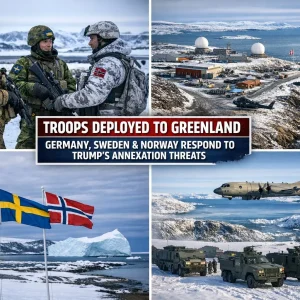
In a significant statement that underscores the growing strategic importance of the Arctic, Italian Prime Minister Giorgia Meloni has called for a stronger NATO presence in the region to defend Greenland. The announcement comes amid rising geopolitical tensions in the Arctic, where melting ice, new shipping routes, and untapped natural resources have drawn the attention of global powers including the United States, Russia, and China. Meloni’s remarks highlight NATO’s evolving role in Arctic security and reflect Italy’s commitment to collective defense in the face of emerging regional threats.
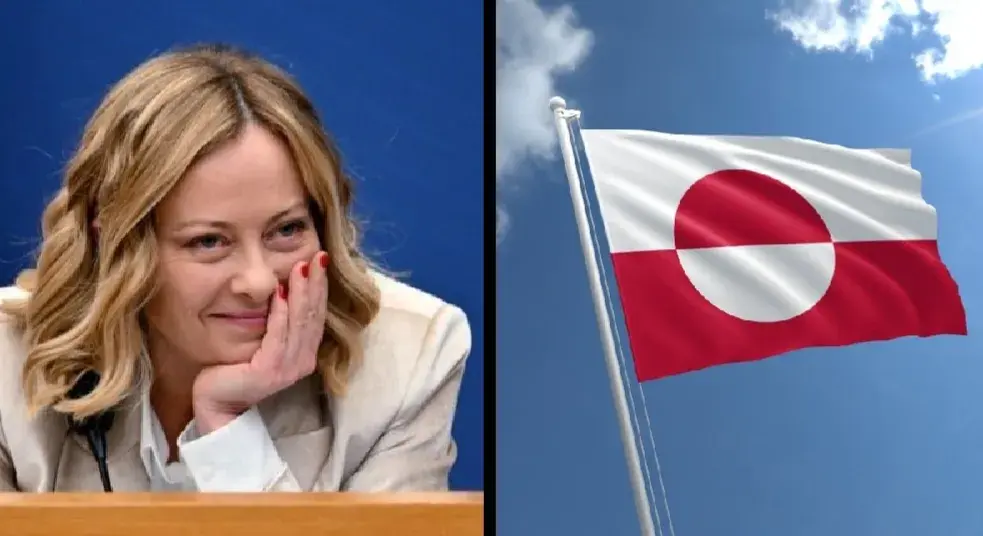
The Strategic Importance of Greenland
Greenland, the world’s largest island, occupies a pivotal position in the Arctic. Its location makes it a key strategic outpost for monitoring the North Atlantic and Arctic Oceans. The island is rich in natural resources, including rare earth minerals, oil, and gas, which have attracted global interest.
The Arctic is also becoming a central arena for military strategy as melting ice opens new shipping lanes, reducing transit times between Europe, Asia, and North America. Greenland, as an autonomous territory of Denmark, hosts U.S. military installations and has been a focus of NATO planning for decades.
Strengthening NATO’s presence there is seen as critical to maintaining stability and deterring potential adversaries in the region.
Italian PM Giorgia Meloni’s Statement
Prime Minister Giorgia Meloni’s call for a stronger NATO presence in the Arctic marks a proactive stance in international security. Speaking at a recent European defense forum, Meloni emphasized the need for alliance unity in protecting Arctic territories like Greenland from potential geopolitical threats.
According to Meloni, increased NATO deployments and joint military exercises would not only defend Greenland but also ensure that critical Arctic routes remain secure for global trade.
She argued that the Arctic’s strategic and economic significance makes it essential for NATO members to collaborate closely, sharing intelligence and resources to prevent destabilization.
NATO’s Arctic Strategy
NATO has increasingly focused on the Arctic as a region of strategic concern. Russia’s military activities in the Arctic, including the modernization of bases and the deployment of advanced missile systems, have heightened the urgency for alliance members to enhance surveillance and defense capabilities.
Meloni’s remarks align with NATO’s broader strategy of ensuring a credible military presence in the Arctic while promoting regional security and cooperation. Enhanced NATO infrastructure in Greenland could include radar installations, air defense systems, and increased joint naval patrols.
Such measures aim to deter potential threats while reassuring allies of the alliance’s commitment to collective defense.
Geopolitical Tensions in the Arctic
The Arctic has emerged as a theater of geopolitical competition. Russia views the region as a core strategic interest, while China has pursued “Polar Silk Road” initiatives to secure Arctic trade routes. Meanwhile, the United States has emphasized the importance of maintaining freedom of navigation and protecting allied territories.
Meloni’s call for NATO reinforcement in Greenland highlights Italy’s recognition of these dynamics. As nations vie for influence, Greenland represents not only a strategic military location but also a symbol of international stability in the Arctic.
Strengthening NATO’s presence signals to adversaries that the alliance is united and capable of defending its interests in this vital region.
Economic and Security Implications
The Arctic’s economic potential is vast. Greenland’s natural resources, including rare earth elements essential for electronics and renewable energy technologies, make it a region of both strategic and economic interest.
Ensuring security in Greenland protects not only the territory itself but also critical supply chains and trade routes that are increasingly vital to the global economy.
From a security perspective, NATO’s enhanced presence would enable faster response times to regional crises, improved monitoring of maritime activities, and the ability to conduct joint operations with allied forces.
It also strengthens deterrence against potential military aggression, signaling that Greenland’s sovereignty and strategic assets are protected under collective defense agreements.
Italy’s Role in Arctic Security
Italy’s advocacy for stronger NATO operations in Greenland reflects a broader commitment to international security and alliance solidarity. Traditionally, Italy has focused on Mediterranean and European security concerns, but Meloni’s statement indicates a willingness to extend Italy’s strategic influence into the Arctic.
Italy’s involvement could include contributions to joint military exercises, intelligence sharing, and participation in Arctic defense planning. By supporting NATO’s presence in Greenland, Italy positions itself as a proactive partner in safeguarding the Arctic, ensuring stability in a region that is increasingly central to global security and economic interests.
Collaboration with Other NATO Members
Strengthening NATO’s presence in Greenland will require close cooperation among member states. Countries such as the United States, Canada, Denmark, and Norway already maintain a significant footprint in the Arctic, including military installations, air defense systems, and surveillance capabilities.
Meloni emphasized the importance of coordinated planning and resource sharing to maximize NATO’s effectiveness in the region. Joint exercises, information sharing, and logistical support will be critical to ensuring that NATO can respond swiftly to any threats and maintain security in Greenland and the wider Arctic region.
Environmental and Humanitarian Considerations
While military strategy dominates discussions of the Arctic, environmental and humanitarian issues remain important. Greenland’s fragile ecosystem is highly sensitive to climate change, and increased military activity must balance strategic objectives with environmental protection.
Meloni’s call for NATO presence includes consideration of sustainable operations, ensuring that Arctic security measures do not compromise the region’s delicate environment. Additionally, NATO’s presence can support humanitarian missions, search and rescue operations, and disaster response, providing a dual benefit to both security and civilian populations in the Arctic.
Global Implications
The call for stronger NATO presence in Greenland carries broader implications for global security. It signals to Russia, China, and other international actors that the Arctic is a shared space with high strategic and economic stakes.
Enhanced NATO deployments reinforce the message that the alliance is capable of defending its territories and maintaining stability in the region.
Moreover, it demonstrates the alliance’s ability to adapt to evolving security challenges, from climate-driven shifts in the Arctic environment to the expansion of global trade routes. By investing in Greenland’s defense, NATO ensures that the Arctic remains a secure and cooperative zone for international commerce and strategic operations.
Conclusion
Italian Prime Minister Giorgia Meloni’s call for a stronger NATO presence in Greenland highlights the growing strategic importance of the Arctic. With rising geopolitical tensions, the region’s vast economic resources, and its emerging role in global trade, ensuring security in Greenland is vital for NATO and its member states.
By advocating for increased military deployments, joint exercises, and coordinated intelligence efforts, Meloni positions Italy as a key player in Arctic security and reinforces the alliance’s commitment to collective defense.
As the Arctic continues to gain prominence on the global stage, NATO’s enhanced presence in Greenland will play a crucial role in deterring threats, protecting economic interests, and maintaining stability in this strategically vital region.