In a stunning and evolving military development, reports have emerged alleging that U.S. forces may have deployed a mysterious and powerful weapon during the high‑stakes raid that resulted in the capture of Venezuelan President Nicolás Maduro on January 3, 2026. According to firsthand eyewitness accounts amplified by social media and international outlets, this alleged device caused Venezuelan soldiers to bleed from the nose and vomit blood, incapacitating defenders before U.S. troops swiftly secured Maduro’s location.
However, while these claims have circulated widely — including through reposts by the White House press secretary on X — U.S. officials have not officially confirmed the use of such a weapon. The situation remains fluid, with political implications, technical questions, and global reactions continuing to develop.
The Raid That Captured Nicolás Maduro
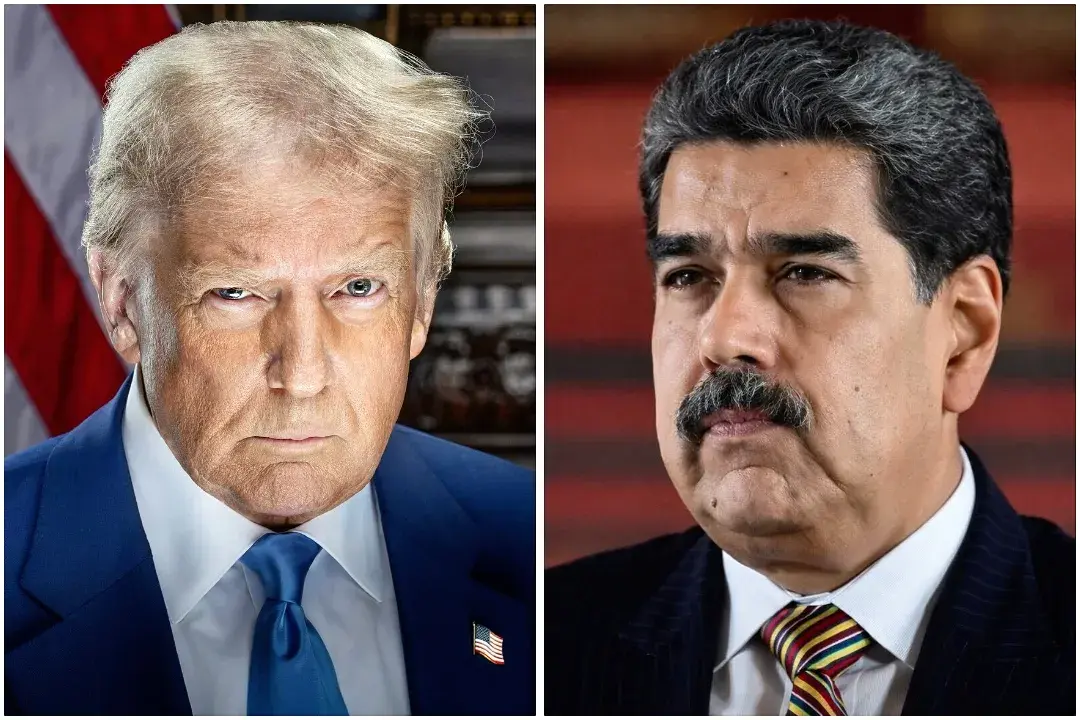
On January 3, 2026, elite U.S. military forces conducted a predawn operation in Caracas, Venezuela’s capital, resulting in the capture of President Nicolás Maduro and his wife, Cilia Flores. The mission, codenamed Operation Absolute Resolve, was carried out by special operations units, including the U.S. Army’s Delta Force, with extensive air support and intelligence coordination.
According to official reports, U.S. troops moved quickly, overwhelming Venezuelan defenses after strikes on air defense systems and dramatic aerial maneuvers. Maduro was taken into U.S. custody and transported to New York City, where he faces federal charges related to narcotics and terrorism.
While some details of the timeline and execution have been confirmed by reputable sources like Reuters, no verified reporting from Reuters explicitly confirms the use of a unique or experimental weapon during the operation.
The Mysterious Weapon Claims
In the days following the raid, a Venezuelan security guard’s account spread rapidly on social media, with the White House press secretary reposting it with the caption “Stop what you are doing and read this…”.
In the interview, the eyewitness described a device that felt like an extremely intense sound wave, explaining that Venezuelan soldiers suddenly experienced severe symptoms, including:
Bleeding from the noseVomiting bloodInability to stand or move normally
The witness described that the effects occurred rapidly and without conventional combat engagement, leaving defenders unable to resist as a small contingent of U.S. troops infiltrated and captured Maduro’s compound.
Experts and commentators have speculated that if such a device were used, it might resemble advanced acoustic or directed‑energy technology, including sonic weapons or other experimental systems designed to incapacitate rather than kill.
Directed‑energy weapons — which can use focused microwaves, laser, or acoustic energy — have been researched for years. However, their operational use in warfare remains largely unverified and highly controversial.
Despite the vivid nature of the testimony, it is important to note that:
The description remains unverified by independent sources.No official U.S. confirmation supports the claim that such a weapon was deployed.Reports vary on whether symptoms described could result from known technologies or battlefield conditions.
What Experts Are Saying
Military analysts caution that eyewitness reports from conflict zones should be treated with skepticism until corroborated by physical evidence, technical analysis, or confirmation from authoritative sources.
Some experts say the symptoms described — bleeding and vomiting — could be consistent with barotrauma or pressure changes caused by explosions or shockwaves, which are effects associated with conventional munitions rather than exotic new weaponry.
Others argue that long‑range acoustic devices (LRADs) or experimental directed‑energy systems could theoretically cause disorientation or discomfort, but the more extreme physical effects (like internal bleeding) remain highly speculative and fall outside publicly acknowledged capabilities.
U.S. military forces are known to research a wide range of advanced technologies, including electromagnetic and acoustic systems, but operational deployment of such systems against live human targets at this scale has not been publicly documented.
Official Silence and Strategic Implications
Despite the dramatic nature of the eyewitness account, U.S. officials have maintained a conspicuously neutral stance. Pentagon leadership and senior U.S. government spokespeople have neither confirmed nor denied the specific use of any unconventional weapon during the Maduro raid.
The White House reposting the account without explicit validation has fueled both curiosity and controversy, as critics argue that circulating unverified claims can mislead the public and escalate tensions. Supporters say the post reflects transparency in informing the global community about unfolding events.
Regardless of whether such a weapon was used, the saga underscores broader shifts in modern warfare:
Advanced military technology is increasingly central to strategic operations.Information warfare and narrative framing have become battlefield tools.Geopolitical rivals are closely watching U.S. capabilities.
Global and Regional Reactions
Across Latin America, the reported effects of the Maduro raid have generated alarm. Regional governments and security analysts are debating what this might mean for future U.S. military interventions and the balance of power in the Western Hemisphere.
Moreover, the allegations of a powerful yet mysterious weapon contribute to broader geopolitical narratives about military supremacy and technological dominance. Countries with advanced military research programs, including China and Russia, are likely monitoring the situation closely, viewing it through lenses of both competition and deterrence.
Human rights groups and international legal experts have also weighed in, questioning the legality and ethics of unilateral military strikes on sovereign territory — particularly when allegations of unconventional weapons arise. The United Nations and global civil society continue to call for full transparency and compliance with international humanitarian law.
The Broader Context of the U.S. Operation
The raid that captured Maduro was not just a military maneuver but a signal of strategic priorities under the current U.S. administration. Beyond removing a controversial leader from power, the operation carried clear messages to geopolitical rivals, especially China, about U.S.
willingness to project power in its traditional sphere of influence.
At the same time, the Colombian, Cuban, and Russian governments have condemned the operation, calling it a violation of international law. International courts, including the International Criminal Court, are watching closely, and debates about jurisdiction and legal authority persist.
Conclusion
The emerging allegations about a mysterious weapon used during the U.S. raid that captured Nicolás Maduro paint a dramatic picture of modern battlefield capabilities — but also highlight the dangers of unverified claims in high‑stakes geopolitics.
While eyewitness testimony has described frightening physiological effects on Venezuelan soldiers, official confirmation from the U.S. or major international news agencies like Reuters remains absent.
As more information becomes available and investigations continue, the global community will be watching for:
Independent verification of weapon usage.Technical analyses from defense and scientific experts.Official statements from the U.S. Department of Defense.Broader diplomatic and legal consequences.
Until then, the story remains a complex blend of military innovation, eyewitness testimony, political silence, and global speculation — a reminder of how powerful narratives can shape world events just as profoundly as weapon technology itself.