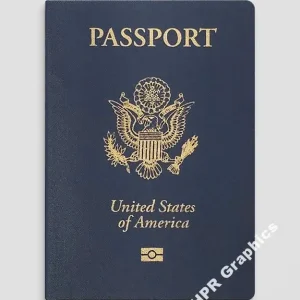
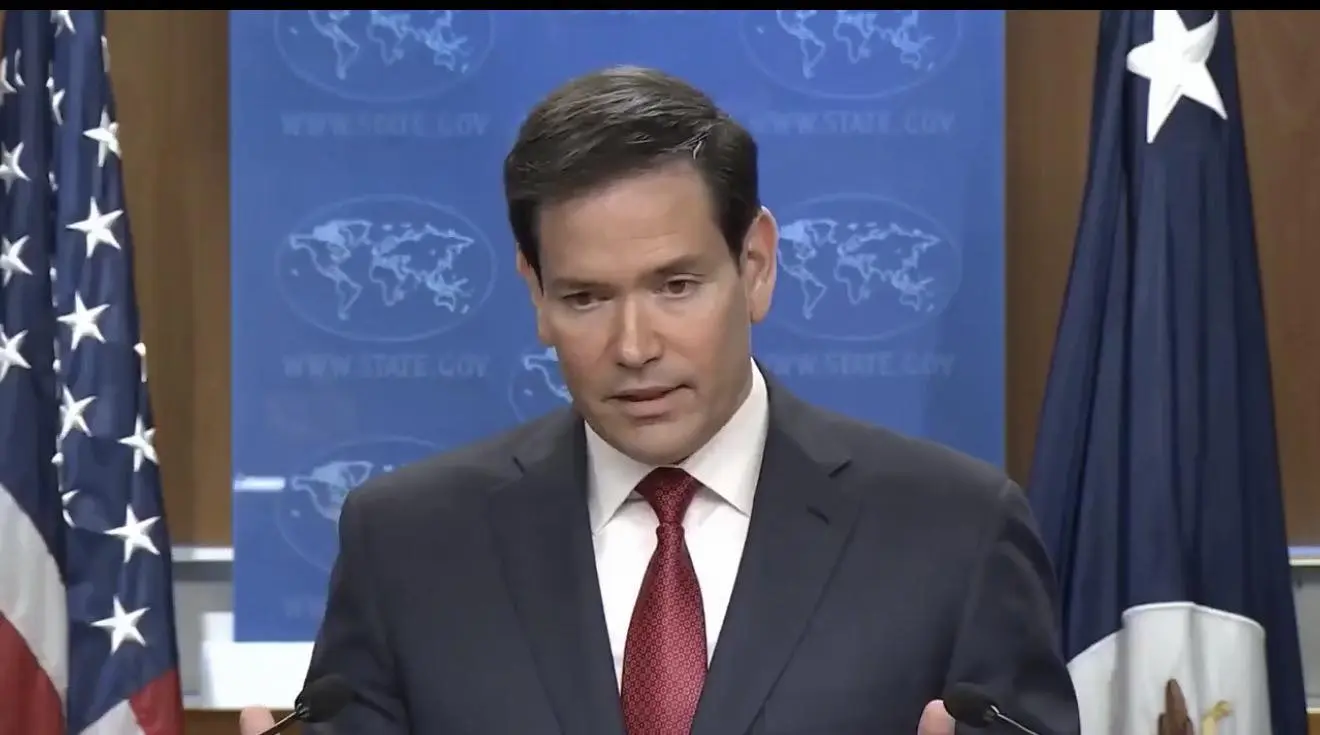
U.S. Secretary of State Marco Rubio announced a sweeping visa enforcement action that he described as a major victory for national security and the rule of law. According to statements from the State Department, more than 100,000 U.S. visas have been revoked, including approximately 8,000 student visas and 2,500 specialized visas linked to individuals involved in criminal activity.
The move marks one of the largest visa revocation efforts in recent U.S. history and signals a more aggressive approach to immigration enforcement under Rubio’s leadership. Supporters have praised the action as long overdue, while critics warn of potential overreach and unintended consequences.
What Happened: A Large-Scale Visa Crackdown
Speaking to reporters, Rubio emphasized that U.S. immigration law provides not only the authority but, in his view, the obligation to remove individuals who abuse the visa system or act against American interests.
“The law gives us the right — and I would argue the responsibility — to remove people like this from our country,” Rubio said. “And we’re going to continue doing that. It’s that simple.”
According to officials familiar with the enforcement action, the revoked visas span multiple categories, including:
Student visas allegedly used by individuals who violated visa terms
Specialized or purpose-based visas linked to criminal activity
Other nonimmigrant visas associated with national security concerns
The State Department framed the action as part of a broader effort to restore integrity to the U.S. visa system.
Why Student and Specialized Visas Were Targeted
Student visas have long been a point of concern for U.S. immigration authorities. While the vast majority of international students comply with visa rules, officials argue that some individuals exploit the system to remain in the country unlawfully or engage in activities unrelated to education.
Rubio previously stated that visa holders must respect the conditions under which they are admitted into the United States.
“Our visa system is not an entitlement,” Rubio said in an earlier interview. “People we allow into this country should reflect our national interest.”
Specialized visas, often issued for work, research, or temporary programs, were also scrutinized. According to the State Department, approximately 2,500 of the revoked visas were tied to individuals who committed criminal acts or were flagged during security reviews.
Legal Authority Behind the Decision
Under U.S. law, the Secretary of State has broad authority to revoke visas when holders violate immigration rules, pose security risks, or engage in criminal conduct. Unlike deportation proceedings, visa revocation can occur administratively and does not always require a court ruling.
Legal experts note that visa holders — unlike U.S. citizens or permanent residents — do not have an inherent right to enter or remain in the country.
“The Supreme Court has consistently ruled that visas are a privilege, not a right,” said one immigration law analyst. “The executive branch has wide discretion in this area.”
Rubio has argued that previous administrations failed to use this authority aggressively enough.
Supporters Applaud a Tough Stance
Conservative lawmakers and immigration enforcement advocates quickly praised the announcement, calling it a decisive step toward restoring border and immigration control.
Many supporters argue that lax enforcement in recent years allowed abuse of student and specialty visa programs, undermining public trust and national security.
“This sends a clear message,” said one former DHS official. “If you come to the United States on a visa and violate the law or work against our interests, you will lose that privilege.”
On social media, the announcement was celebrated as a “massive win” for law and order, with supporters highlighting the scale of the revocations as evidence of serious reform.
Critics Raise Concerns About Scope and Transparency
Not everyone welcomed the move. Immigration advocates and some higher-education groups expressed concern about how the revocations were conducted and whether due process protections were sufficient.
Universities, in particular, worry that heightened scrutiny could discourage international students from choosing U.S. schools, potentially harming academic institutions and the broader economy.
“There needs to be clarity and transparency,” said a spokesperson for an international education organization. “Blanket enforcement actions can create fear and confusion for students who are here legally.”
Civil liberties groups have also called for more detailed data on how individuals were identified and whether appeals processes are available.
Impact on Immigration Policy and National Debate
The visa revocation campaign comes amid an intense national debate over immigration, border security, and national sovereignty. Rubio’s approach reflects a broader shift toward stricter enforcement and a narrower definition of who should be allowed entry into the United States.
Analysts say the move could signal additional actions ahead, including tighter vetting procedures, expanded background checks, and closer monitoring of visa compliance.
“This is likely just the beginning,” said a political analyst. “It aligns with a philosophy that immigration policy should be tightly linked to national interest and public safety.”
Economic and Diplomatic Implications
Large-scale visa revocations can have ripple effects beyond immigration enforcement. International students contribute billions of dollars annually to the U.S. economy, and specialized visa holders often fill key roles in technology, healthcare, and research.
Diplomatically, some foreign governments may question whether their citizens are being treated fairly, especially if revocations affect students or workers without criminal convictions.
The State Department has not yet indicated whether specific countries were disproportionately affected.
What Happens Next?
Officials say visa enforcement reviews are ongoing, and additional revocations remain possible as investigations continue. Rubio has made clear that the administration intends to use every legal tool available to enforce immigration law.
“Our visa system must serve America’s interests first,” Rubio said. “If someone is here on a visa and acts against those interests, they should not be here.”
As the policy unfolds, legal challenges, political pushback, and further clarification from the State Department are likely. For now, the announcement represents one of the most significant assertions of executive authority over the U.S. visa system in years.
Conclusion
Secretary Marco Rubio’s announcement that over 100,000 visas have been revoked, including thousands of student and specialized visas, marks a dramatic escalation in U.S. immigration enforcement. Supporters see it as a necessary correction and a major victory for national security, while critics warn of economic, educational, and humanitarian consequences.
What is clear is that the decision has reignited debate over who should be allowed into the United States — and under what conditions — setting the stage for continued controversy and policy battles in the months ahead.