In a sweeping and unprecedented shift in U.S. immigration policy, the U.S. State Department will freeze immigrant visa processing for citizens of 75 countries, beginning January 21, 2026. The announcement has raised widespread concern among global communities, families awaiting reunification, employers, and immigration advocates alike. This new policy, part of the Trump administration’s broader immigration crackdown, is poised to have far‑reaching effects on international travel, migration, and diplomatic relations.
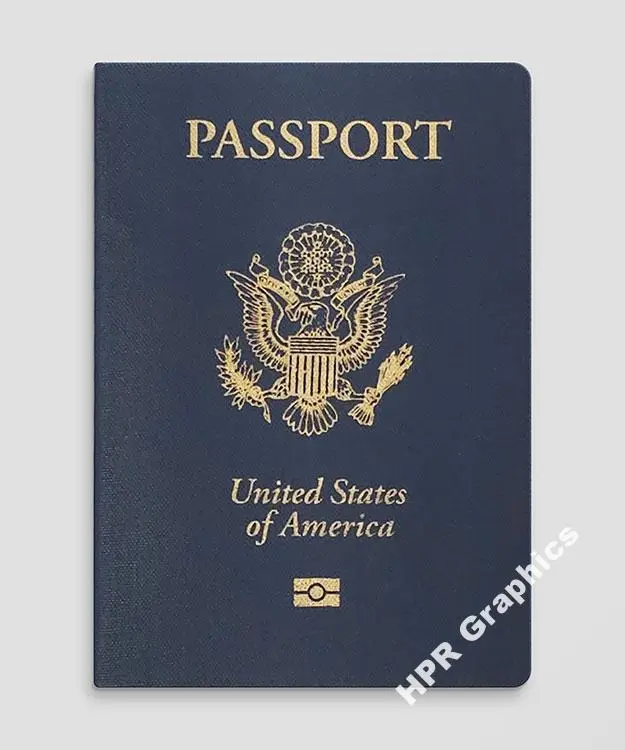
What the Visa Freeze Covers
The upcoming change does not affect tourist, student, or temporary non‑immigrant visas, which will continue to be processed. However, immigrant visas—those sought by people planning to move permanently to the United States—will be paused indefinitely for nationals of the affected countries while the State Department reassesses screening and vetting procedures.
According to the State Department, the freeze comes amid concerns that many applicants from the listed countries are likely to rely on public assistance once admitted into the United States. This concept, known in U.S.
immigration law as the “public charge” rule, has historically allowed consular officers to refuse visas to individuals who may become financially dependent on government programs.
While no official end date has been announced, the policy is expected to remain in effect indefinitely, contingent on a reassessment of current immigrant vetting procedures.
Which Countries Are Affected?
The full list of 75 affected countries spans continents and regions. It includes nations from Africa, Asia, the Middle East, Europe, the Caribbean, and Latin America. Some of the nations reported to be impacted include:
Asia & Middle East: Afghanistan, Bangladesh, Iran, Iraq, Jordan, Kazakhstan, Nepal, Thailand, Uzbekistan, Yemen.
Africa: Egypt, Nigeria, Somalia, Ethiopia, Sierra Leone, Sudan, Tanzania, Uganda, Eritrea.
Americas & Caribbean: Brazil, Haiti, Dominican Republic, Jamaica, Guatemala, Cuba.
Europe & Eurasia: Russia, Albania, Belarus, Moldova, Kosovo, Armenia.
This mix reflects both countries with high immigration flows to the U.S. and others that have historically seen lower admission rates but are nonetheless included within the policy’s scope.
Why the Freeze Is Being Implemented
U.S. officials framed the visa processing freeze as a measure to better enforce immigration laws, particularly those involving the public charge provision. According to the State Department, the policy aims to prevent immigration applicants likely to depend on U.S. welfare and public benefits.
A department spokesperson emphasized that consular officers must use their authority under existing immigration law to deem applicants ineligible if they are likely to become public charges — interpreted broadly to cover financial dependency and welfare usage.
This move builds on earlier actions by the Trump administration, including expanded travel bans and stricter vetting rules that target both illegal immigration and legal entry pathways.
Critics argue that linking public charge concerns to a sweeping pause on immigrant visas amounts to de facto migration restrictions that go beyond traditional public charge rules.
Immediate Effects on Immigrant Visa Applicants
For many individuals and families, the new visa freeze means uncertainty, delay, and significant hardship:
Pending Applications: Immigrant petitions already filed with U.S. consulates in affected countries may be refused or put on indefinite hold.
Family Reunification: Families separated by borders could see reunification delayed indefinitely, impacting spouses, children, and extended relatives.
Employment & Permanent Residency: Workers with job‑based green card petitions will likely encounter delays, regardless of employer sponsorship.
Adjustment of Status: Immigrants inside the U.S. pending status changes may also be impacted if their nationality is tied to the paused countries.
Importantly, the pause could affect humanitarian and diversity visa programs, adding another layer of complexity for applicants worldwide.
Public Charge Rule: A Central Factor
The “public charge” doctrine — which assesses whether an immigrant is likely to become primarily dependent on government welfare — has been controversial for years. Earlier versions of the rule targeted applicants for green cards or visas who could become financially burdensome to the state.
Under the current policy shift, the public charge concept has expanded beyond individual assessment and now serves as a rationale for broadly halting visa issuance for entire countries. Critics say this represents a significant reinterpretation of immigration law with possible discrimination implications.
Political and Diplomatic Reactions U.S. Domestic Debate
The policy has sparked heated debate within the U.S.:
Supporters argue it protects American taxpayers and strengthens immigration integrity by ensuring applicants can support themselves.
Critics claim the freeze unfairly penalizes individuals from developing nations and could contravene humanitarian principles. Many point out that reliance on welfare is often a family or circumstance issue, not a reflection of national origin.
Immigration advocacy groups, civil rights organizations, and some policymakers have condemned the move as overly broad and potentially discriminatory, arguing it may violate equal protection norms.
International Response
Affected countries are also expected to voice diplomatic concerns. Countries such as Brazil, Nigeria, Pakistan, and Bangladesh — which have significant expatriate communities with established ties to the U.S. — will likely push for clarification and negotiation.
These diplomatic conversations will test bilateral relationships, particularly in regions where the United States has historically prioritized partnership and strategic cooperation.
Economic and Social Impacts
The freeze on visa processing could have wide‑ranging effects beyond immigration law:
Labor Markets: Industries that rely on immigrant labor — such as healthcare, agriculture, technology, and hospitality — could face workforce shortages.
Education: International students from affected countries may face increased hurdles in transferring to permanent residency pathways after completing degrees in the U.S.
Remittances: Families relying on remittances from U.S. relatives could see delayed financial support if permanent residency paths are stalled.
Such social and economic ripple effects underscore the profound impact immigration policy decisions can have inside and outside U.S. borders.
What Happens Next?
The key unanswered question remains how long the visa pause will last. The State Department has not published a timeline to resume processing, stating only that consular officials will reassess procedures to prevent immigration applicants from being classified as public charges.
Until that reassessment is complete, visa services for the affected countries will remain on hold. Applicants are advised to stay informed through official channels such as the U.S. Department of State, U.S. Citizenship and Immigration Services (USCIS), and the nearest U.S. consulate or embassy.
Conclusion: A Watershed in U.S. Immigration Policy
The decision to freeze immigrant visa processing for 75 countries indefinitely is one of the most significant shifts in U.S. immigration policy in recent history.
Announced to take effect on January 21, 2026, this move reflects the Trump administration’s continued push toward restrictive immigration measures and heightened scrutiny of public charge concerns.
While intended to protect public resources and tighten checks on visa applicants, the broad freeze raises concerns about fairness, legality, and global mobility.
As the policy unfolds and its implications become clearer, stakeholders at every level — from families to governments — will be watching closely to understand how the freeze reshapes the future of immigration to the United States.