Approximately 40 minutes ago, reports began circulating in W@sh!ngt0n describing a noticeable rise in internal concern within C0ngr3ss, as multiple members were said to be holding closed-door meetings focused on record management and potential exposure tied to past communications.
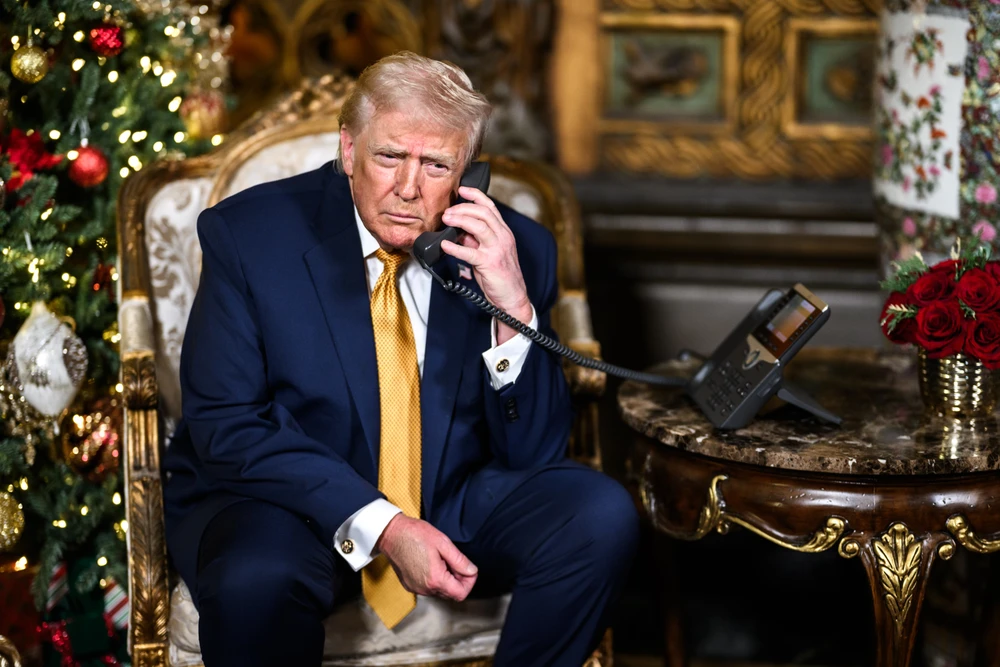
Before that, The House Judiciary Committee released both the transcript and video from its closed-door hearing with Jack Smith, the former special counsel tied to two failed prosecutions of Donald Trump. The release is sending shockwaves through Washington, reopening debates many believed were settled.

Behind the scenes, tension is rising fast, with Trump’s allies scrambling and the political establishment showing clear signs of panic.-criss.
The House Judiciary Committee made public both the transcript and video recording from a previously closed-door hearing involving Jack Smith, the former special counsel connected to two unsuccessful cases concerning Donald Trump.
The release marks a notable shift toward transparency, as materials that were once accessible only to committee members and staff are now available for broader review by lawmakers, legal analysts, and the public.
According to committee officials, the decision reflects ongoing oversight responsibilities rather than the reopening of any specific proceeding, though the timing has inevitably renewed scrutiny of past investigative decisions and prosecutorial discretion.
The disclosed materials reportedly revisit testimony that many observers believed had already been fully examined, prompting renewed discussion about institutional accountability, evidentiary standards, and the boundaries of congressional inquiry.
Legal experts note that while such releases do not carry direct legal consequences, they can influence public understanding of how complex investigations are conducted and why certain cases advance—or fail—within the justice system.
Behind the scenes, aides from multiple offices are said to be reviewing the documents closely, aware that renewed attention could affect future legislative agendas, oversight strategies, and internal reforms related to investigatory transparency.
From a broader governance perspective, the episode underscores persistent tensions between congressional oversight, prosecutorial independence, and public demand for clarity in high-profile matters.
As lawmakers and analysts continue to examine the newly released materials, the focus appears to be shifting away from individual outcomes toward systemic questions about process, precedent, and the long-term credibility of federal institutions.
According to sources familiar with the matter, the urgency followed claims that Jack Smith had uploaded or submitted subpoenaed phone records connected to calls involving Donald Trump during the period when certification of the 2020 election results was delayed. The materials have not yet been independently verified in full.
The phone records are described as potentially significant because they could help reconstruct a detailed timeline of contacts, offering insight into who communicated with whom, when those interactions occurred, and how decisions were coordinated or discussed during a critical institutional moment.
Legal analysts emphasize that such records do not automatically establish wrongdoing. Instead, they serve as contextual evidence that must be evaluated alongside testimony, contemporaneous documents, and existing legal standards governing intent and responsibility.
Staff members on Capitol Hill indicate that the private meetings reflect heightened sensitivity around compliance with federal record-retention laws, digital archiving practices, and the legal obligations lawmakers face when documents are subject to renewed scrutiny.
From an institutional perspective, the situation underscores how long after an event has passed, unresolved questions and newly surfaced materials can still carry consequences for governance, oversight norms, and public confidence in legislative processes.
Policy experts note that episodes like this often prompt broader conversations about transparency frameworks, the durability of oversight mechanisms, and whether current rules adequately balance accountability with procedural fairness.
As the reported records continue to circulate among legal and policy circles, attention remains focused on authentication, scope, and context—factors likely to determine whether the development results in formal action or remains part of a wider historical reassessment.