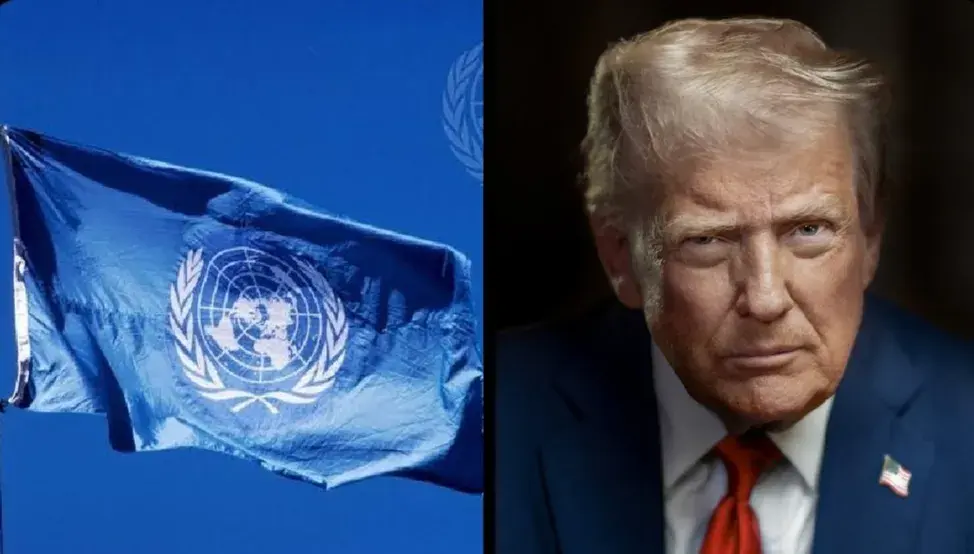
In a significant diplomatic development, the United Nations has formally condemned the United States for what it described as a “terrorist attack” on Caracas, Venezuela, labeling the operation a blatant violation of international law.
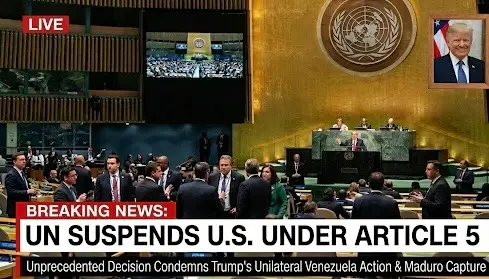
The resolution, passed in an emergency session of the UN General Assembly, has sent shockwaves across the international community, raising urgent questions about sovereignty, international norms, and global security.
Background: The Alleged Attack on Caracas
The incident in question reportedly involved a U.S.-led military operation targeting Caracas, the capital of Venezuela. According to multiple sources, the operation included precision strikes and coordinated actions aimed at destabilizing the Venezuelan government.
While the United States has framed its actions as part of a broader effort to address threats to democracy and security in the region, the United Nations and many international observers have expressed grave concerns over legality and proportionality.
The attack represents a sharp escalation in the long-standing tension between Washington and Caracas, particularly under the leadership of President Nicolás Maduro. Over the past decade, the U.S. has imposed a series of economic sanctions, diplomatic pressures, and covert operations intended to weaken Maduro’s government.
However, direct military action has historically been considered a last resort under international norms.
UN Condemnation and Official Statements
During an emergency session, the United Nations General Assembly overwhelmingly passed a resolution condemning the U.S. operation as a terrorist attack. Key points highlighted by the UN include:
The operation constitutes a clear violation of international law, including the United Nations Charter, which prohibits the use of force against the territorial integrity or political independence of any state.The attack endangers civilian populations and risks significant humanitarian consequences in Caracas and beyond.The UN calls on the United States to immediately halt military actions, withdraw forces, and engage in dialogue with Venezuelan authorities.
Secretary-General António Guterres emphasized the urgent need for peaceful resolution and respect for sovereignty, noting that unilateral military operations undermine global stability and set dangerous precedents.
International Reactions
The UN condemnation has triggered varied reactions from the international community:
Latin American countries expressed strong support for the resolution. Nations such as Mexico, Bolivia, and Argentina have publicly denounced the U.S. action as a breach of international norms and a threat to regional stability.European nations have called for urgent diplomacy, stressing the importance of resolving disputes through negotiation rather than military intervention.Alliances and international organizations, including the Organization of American States (OAS), have urged Washington to comply with international law and engage in multilateral dialogue.
Experts note that this unprecedented condemnation may increase global pressure on the U.S. to reconsider its military approach and focus on diplomatic channels.
Legal and Diplomatic Implications
The United Nations’ statement highlights several key legal and diplomatic considerations:
Violation of International Law – Military attacks on sovereign nations without UN Security Council approval or clear self-defense justification breach fundamental principles of international law.Humanitarian Concerns – Strikes in densely populated urban areas like Caracas risk civilian casualties, raising potential issues under international humanitarian law.Global Precedent – The UN’s condemnation signals that unilateral military operations may face widespread international scrutiny, potentially affecting U.S. actions in other regions.
Legal scholars have emphasized that the attack could trigger international arbitration or sanctions if civilian casualties or destruction of infrastructure is confirmed.
Political Implications for Venezuela
The UN condemnation has strengthened the position of President Nicolás Maduro domestically. Key political consequences include:
Consolidation of Maduro’s authority and legitimacy, as the UN’s position reinforces Venezuela’s sovereignty.Boost to nationalist sentiment and military loyalty, as citizens rally against perceived foreign aggression.Leverage in future negotiations with the United States, particularly in terms of lifting sanctions or resolving economic disputes.
Analysts suggest that Caracas may use the UN resolution to appeal to other international actors and strengthen its diplomatic stance in multilateral forums.
Impact on U.S. Foreign Policy
For the United States, the UN condemnation represents a serious diplomatic setback. Potential consequences include:
Heightened scrutiny from allies and adversaries regarding military actions abroad.Pressure to justify operations under international law, potentially requiring diplomatic engagement or reparations.Possible erosion of global credibility, particularly among countries advocating strict adherence to UN principles.
While the U.S. maintains that its actions are aimed at promoting democracy and security, international backlash underscores the risks of unilateral military operations in today’s interconnected world.
Humanitarian Considerations
Beyond political and legal implications, the UN resolution emphasizes the humanitarian impact of the U.S. strikes. Concerns include:
Displacement of civilians within Caracas.Damage to critical infrastructure, including hospitals, schools, and transportation networks.Risk of exacerbating Venezuela’s ongoing economic and social crises.
International aid organizations have called for immediate humanitarian assistance to affected populations and strict adherence to the principles of proportionality and civilian protection.
Global Media Coverage
Major news outlets including BBC, Reuters, CNN, and Al Jazeera have extensively reported on the UN condemnation, highlighting:
The rarity of a General Assembly resolution explicitly labeling U.S. military actions as a terrorist attack.Broader implications for U.S.-Latin America relations.The potential for diplomatic and legal fallout at the international level.
Social media platforms have also amplified the news, sparking debates about sovereignty, interventionism, and international accountability.
Possible Scenarios Moving Forward
Analysts suggest several potential outcomes in response to the UN condemnation:
U.S. Compliance and Diplomatic Engagement – The United States may seek multilateral negotiations, withdraw forces, and pursue peaceful resolutions.Continued Tensions – Refusal to comply could escalate political and military tensions, affecting regional stability.International Mediation – Global powers or regional organizations may intervene to broker dialogue and prevent further conflict.Humanitarian Crisis Management – Urgent international aid and oversight may be necessary to mitigate civilian suffering in Caracas.
The coming weeks will be critical in shaping the trajectory of U.S.-Venezuelan relations and global norms regarding unilateral military action.
Conclusion
The United Nations’ condemnation of the U.S. “terrorist attack” on Caracas represents a major turning point in international diplomacy, emphasizing the importance of respecting sovereignty, international law, and humanitarian principles.
With far-reaching political, legal, and humanitarian implications, the situation underscores the risks of unilateral military interventions and the necessity of multilateral engagement to preserve global stability.
As the crisis unfolds, global observers will closely monitor diplomatic channels, military movements, and humanitarian conditions, highlighting the ongoing importance of international law and multilateral governance in the 21st century.