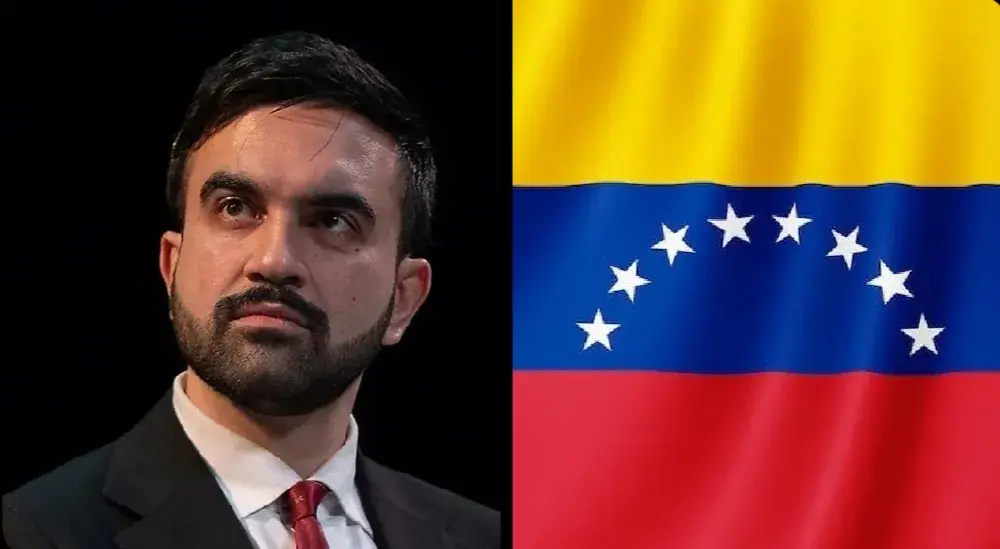
In a strongly worded statement, New York Mayor Zohran Mamdani has condemned the United States’ recent military actions in Venezuela, describing them as an “act of war” and a clear violation of both federal and international law. His remarks come amid escalating tensions between the U.S.
and Venezuela, following reports of unilateral military strikes aimed at Caracas, the capital of Venezuela. Mamdani’s condemnation has sparked widespread discussion among political analysts, human rights advocates, and international relations experts, raising questions about sovereignty, legality, and the future of U.S.-Venezuela relations.
Context: U.S. Military Actions in Venezuela
Recent reports indicate that the United States carried out military operations targeting Venezuelan government facilities and infrastructure. These operations, described by Washington as “precision strikes” aimed at neutralizing threats to democracy and regional stability, have drawn intense scrutiny from the international community.
Mayor Mamdani, in response to these reports, stated:
“Unilaterally attacking a sovereign nation like Venezuela is an act of war and a violation of federal and international law.”
This statement underscores a growing domestic and international backlash against unilateral U.S. military interventions, especially in nations with established governments, regardless of political disagreements or diplomatic tensions.
Legal and International Law Implications
Mayor Mamdani’s remarks highlight the legal complexities surrounding military intervention. Under international law, particularly the United Nations Charter, no country may unilaterally use force against another sovereign nation unless in self-defense or with Security Council authorization.
Key legal concerns raised include:
Violation of sovereignty: Military strikes without consent from the Venezuelan government directly breach the nation’s sovereignty.Breach of federal law: In the U.S., federal statutes and constitutional guidelines limit the executive branch’s power to engage in unauthorized military operations abroad.Humanitarian law: Attacks on populated areas may violate international humanitarian law, putting civilians at risk.
Legal experts suggest that unilateral actions like those described by Mamdani could trigger international investigations or sanctions, further complicating U.S. foreign policy.
Political Implications in the United States
Mayor Mamdani’s condemnation reflects a broader debate within the United States about executive power, military intervention, and accountability. Critics of unilateral military operations argue that:
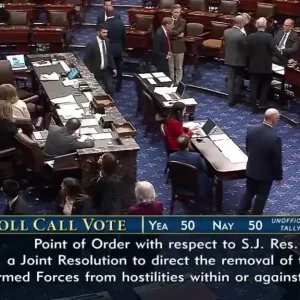
Congressional oversight is required – The U.S.
Constitution grants Congress the authority to declare war, yet recent military actions in Venezuela appear to circumvent this process.Long-term diplomatic costs – Acting without multilateral approval can strain alliances and undermine credibility on the global stage.Domestic political backlash – Citizens and local leaders, like Mayor Mamdani, are increasingly vocal about the dangers of engaging in conflicts abroad without public or legislative support.
This growing scrutiny indicates that the U.S. administration may face legal, political, and ethical challenges in justifying these operations domestically.
Reactions from International Leaders
Mayor Mamdani’s statement has been echoed by several international leaders and organizations, including:
Latin American governments: Countries such as Mexico, Bolivia, and Argentina have denounced unilateral U.S.
military actions, calling for diplomatic solutions and respect for sovereignty.The United Nations: UN officials have urged restraint and emphasized that all conflicts must be addressed through multilateral channels and legal frameworks.European allies: Many European nations have cautioned the U.S.
against unilateral interventions, warning of potential repercussions on global security and trade relations.
The strong alignment of domestic and international voices reinforces the perception that U.S. actions in Venezuela may have serious consequences beyond the immediate military objectives.
Impact on Venezuela
The U.S. military actions and Mayor Mamdani’s condemnation also have significant implications for Venezuela:
Strengthening Maduro’s position: International criticism of the U.S.
may bolster Venezuelan President Nicolás Maduro’s domestic legitimacy.Nationalist sentiment: Public opinion in Venezuela is likely to view external military intervention as a violation of national sovereignty, rallying support around the government.Diplomatic leverage: Venezuela may use the condemnation to appeal to international organizations for legal or diplomatic action against U.S. aggression.
These consequences suggest that unilateral military interventions may inadvertently empower the targeted government, complicating U.S. strategic goals.
Humanitarian Concerns
Mayor Mamdani’s statement also emphasizes the humanitarian risks associated with military operations in urban areas like Caracas:
Civilian casualties: Strikes on populated regions risk significant loss of life.Displacement: Residents may be forced to flee their homes, exacerbating existing crises.Infrastructure damage: Essential services, such as hospitals, schools, and utilities, may be disrupted, leading to long-term social and economic challenges.
Human rights organizations have supported Mamdani’s stance, urging the U.S. to prioritize diplomatic measures over military action to prevent unnecessary suffering.
Media Coverage and Public Opinion
The mayor’s remarks have been widely covered by international media outlets, including BBC, CNN, Reuters, and Al Jazeera, highlighting concerns over legality, sovereignty, and ethics. On social media platforms, Mamdani’s statement has sparked:
Public debates on U.S. foreign policyDiscussions about the role of local leaders in international affairsCalls for Congressional accountability and oversight
Analysts note that the coverage emphasizes the growing importance of public opinion in shaping foreign policy decisions.
Possible Scenarios Moving Forward
The situation presents several potential outcomes:
Diplomatic engagement: The U.S. may respond to international criticism by engaging in multilateral negotiations and halting further unilateral operations.Escalation of tensions: Ignoring domestic and international criticism could lead to heightened diplomatic, political, and military tensions.Legal repercussions: International bodies or domestic courts could investigate the legality of U.S.
operations and recommend sanctions or policy changes.Humanitarian response: The international community may intervene to protect civilians and provide aid in affected regions.
Mayor Mamdani’s condemnation underscores the urgency of considering all these outcomes to avoid long-term damage to international norms and U.S. credibility.
Conclusion
Mayor Zohran Mamdani’s statement that “unilaterally attacking a sovereign nation like Venezuela is an act of war and a violation of federal and international law” reflects growing concern over U.S. military interventions abroad.
His remarks highlight the legal, political, and humanitarian risks associated with unilateral military actions and stress the importance of respecting sovereignty, adhering to international law, and seeking diplomatic solutions.
As tensions between the United States and Venezuela continue to unfold, leaders like Mamdani play a crucial role in holding governments accountable, promoting ethical foreign policy, and advocating for multilateral engagement.
The coming weeks will likely determine the trajectory of U.S.-Venezuela relations and may serve as a pivotal moment in debates over executive power, international law, and the ethics of military intervention.