Introduction
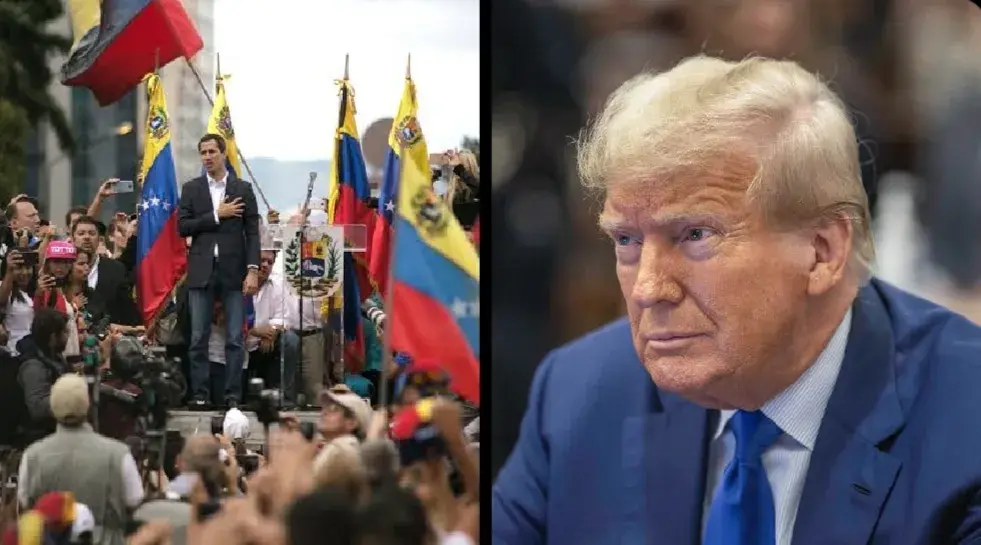
Massive protests have erupted in Buenos Aires, Argentina, reacting to the recent U.S. military attack on Venezuela led by President Donald Trump.
The demonstrations, which drew thousands of activists, social movements, labor unions, and human rights defenders, are part of a broader wave of regional outrage over what many critics call a blatant violation of Venezuelan sovereignty and international law. Prensa Latina
In this article, we delve into why these protests erupted, what demonstrators are demanding, the broader regional context, and how Latin America is responding to one of the most controversial U.S. foreign policy actions in recent decades.
What Sparked the Protests in Buenos Aires?
On January 3, 2026, U.S. armed forces carried out a targeted military operation in Venezuela, resulting in the capture of Venezuelan President Nicolás Maduro and significant casualties among Venezuelan security forces, according to multiple reports.
Critics, including political leaders throughout Latin America, have condemned the operation as an illegal invasion and violation of Venezuelan sovereignty. In response, thousands of activists assembled in Buenos Aires outside the U.S. Embassy in Argentina, waving banners and chanting slogans demanding an end to U.S. military intervention.
Protest leaders, such as Hugo Godoy of the Autonomous Workers’ Central Union (CTA-A), declared that the United States’ actions amount to aggression and colonialist intervention, and they called on the Argentine National Congress to officially denounce the attack.
Main Demands of the Protesters
The protests in Buenos Aires were not limited to symbolic gestures; they carried concrete demands, including:
Immediate cessation of U.S. military actions in Venezuela. Many protesters view the U.S. operation as an unacceptable breach of international law.Release of Nicolás Maduro. Demonstrators called for Maduro’s freedom and the return of Venezuelan political autonomy.Official condemnation from the Argentine government. Protesters urged Argentina’s Congress to formally condemn the military attack and discourage future interventions.Defense of Latin American sovereignty and peace. Speakers at the rally emphasized the importance of independent governance free from foreign interference.
These demands reflect a broader concern among many Argentinians who fear the resurgence of U.S. interventionism in Latin America, reminiscent of Cold War–era policies.
Regional Backdrop: Latin America Divided
The reaction in Argentina echoes broader fissures across Latin America. Some governments and political leaders have condemned the U.S. operation, arguing that it undermines regional stability and violates international norms.
For instance:
Brazil, Mexico, and Colombia have issued strong diplomatic protests and criticized Washington’s actions at international forums such as the United Nations Security Council.Cuba reported dozens of citizens killed in the U.S. operation, intensifying anti-intervention sentiment.Left‑wing leaders, such as Colombia’s President Gustavo Petro, have denounced the operation as an act of neo‑imperialism.
At the same time, some conservative governments in the region have expressed support for Trump’s crackdown on what they describe as drug trafficking and criminal networks.
Thus, the region finds itself deeply divided over geopolitical ideology and national sovereignty concerns.
Buenos Aires on the Ground: What Happened
In Buenos Aires, protests began early in the morning and continued throughout the day. Labor unions, student groups, and civil society organizations converged outside the U.S. Embassy, holding signs that read “No to Intervention” and “Hands Off Venezuela.”
Organizers were keen to emphasize that the protest was peaceful yet resolute. Marchers waved both Argentine and Venezuelan flags, reflective of solidarity that transcends national borders. Public speeches highlighted historical grievances over foreign intervention and made references to Argentina’s own struggles with economic hardship and sovereignty issues.
Despite calls by protesters for calm, Argentine authorities maintained a heavy police presence, closely monitoring the demonstration. Local media reported large crowds, with estimates ranging into the thousands.
Why Argentina Matters
Argentina plays a crucial role in Latin America’s diplomatic landscape. As one of the continent’s largest economies and a long‑standing advocate of regional cooperation, its reaction to U.S. policy actions often signals broader sentiments across the Southern Cone.
When Buenos Aires echoes its streets with protest against foreign intervention, it reflects shared historical memories of external influence and economic pressures that resonate with many Argentinians. These experiences fuel skepticism toward heavy‑handed foreign policies, especially when they involve military force.
International Reactions and Diplomatic Fallout
Global reactions to the U.S. attack and ensuing protests have been swift and critical. Governments across the world, particularly in Latin America, Africa, and parts of Europe, have lodged formal complaints at international organizations alleging violations of the United Nations Charter.
At the United Nations Security Council, representatives from countries such as Brazil and Mexico issued scathing rebukes, calling the attack an unacceptable precedent that could undermine the sovereignty of smaller states.
Meanwhile, U.S. officials maintain that the operation was justified under their broader war on drugs and terrorism policy. Washington insists that the action targeted criminal elements and disrupted illegal networks near Venezuelan borders, although critics argue these claims mask broader geopolitical motives.
The Broader Impact on Latin America
The Buenos Aires protests are more than local demonstrations; they form part of a continental conversation about sovereignty, U.S. influence, and the future of international relations in the Americas.
The unrest highlights:
Persistent regional divisions over foreign policy and governance.Growing mistrust of external intervention among left‑leaning and civil society groups.The reassertion of nationalist sentiments advocating for self‑determination and peace.
These themes are likely to continue shaping political discourse throughout 2026 as the region grapples with the aftermath of the Venezuelan intervention.
Conclusion
The massive protests in Buenos Aires represent a pivotal moment in contemporary Latin American politics. They capture public outrage over what many see as a controversial U.S. military intervention in Venezuela, sparking demands for sovereignty, justice, and an end to foreign meddling in regional affairs.
As the world watches how Argentina and other Latin American nations respond diplomatically and socially, the protests stand as a powerful reminder of the deep currents shaping global geopolitics and the enduring demand for national self‑determination in a rapidly shifting world.