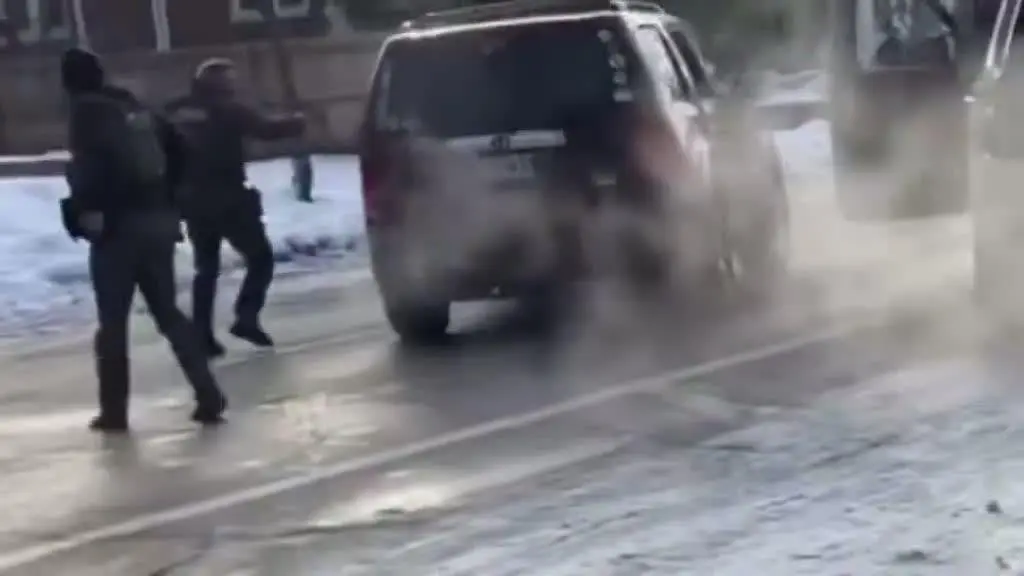
A newly surfaced video from the Minneapolis ICE shooting has reignited public debate over the fatal incident that claimed the life of 37-year-old Renee Nicole Good. The footage, which offers a previously unseen angle, provides critical context to the sequence of events, showing physical contact between the vehicle and the ICE officer before shots were fired. This revelation has the potential to reshape narratives around accountability, use of force, and federal enforcement operations in urban areas.
In this article, we break down what the new video reveals, the implications for federal and local authorities, reactions from Minneapolis officials and the community, and the broader conversation about ICE operations in U.S. cities.
What the New Video Shows
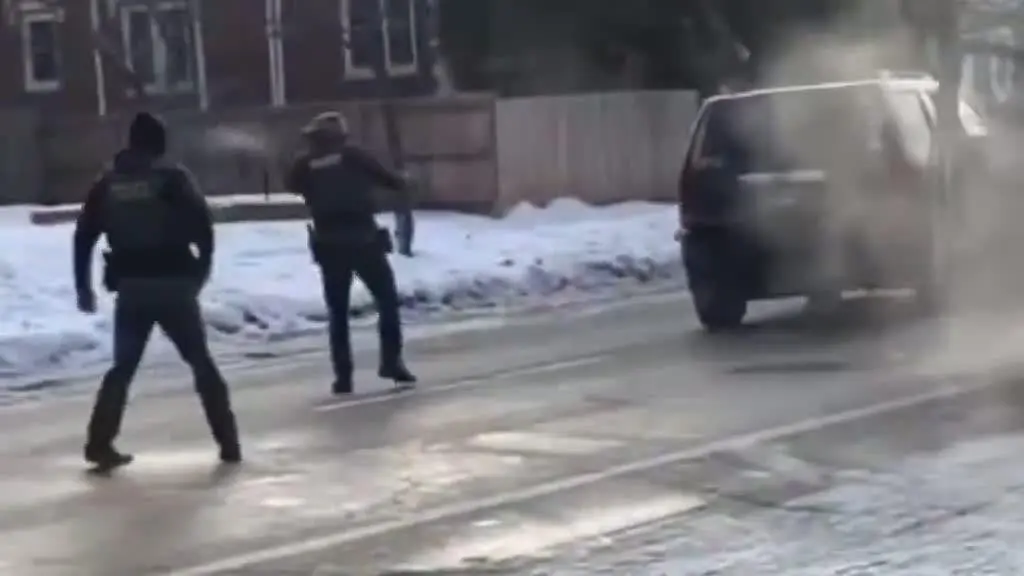
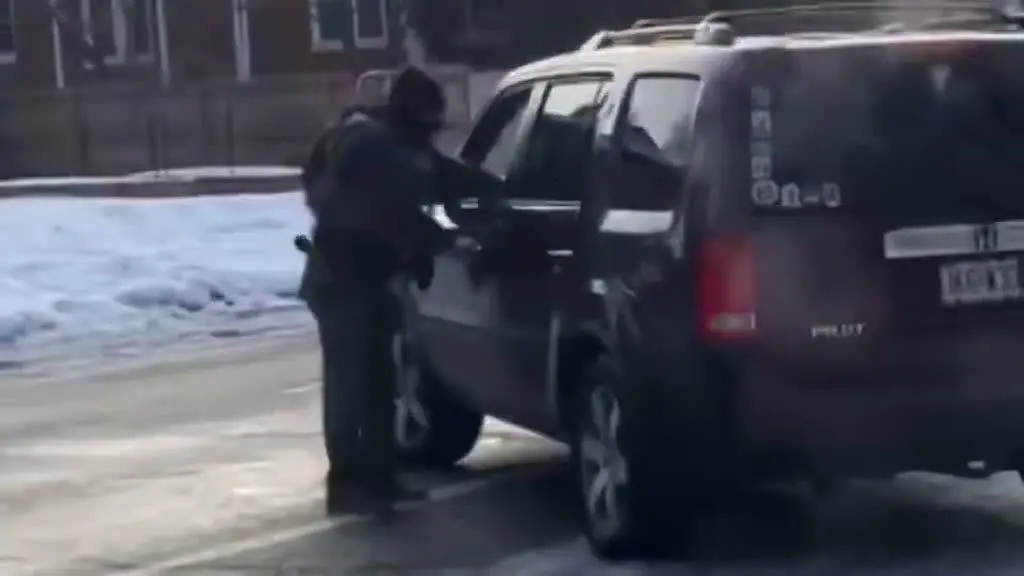
The newly released footage captures a moment previously missing from earlier reports:
The woman’s vehicle makes direct contact with the ICE officer, swiping him and running over part of his foot.The ICE agent appears to react to the impact, and in subsequent frames, he is visibly limping.The interaction occurs in a residential neighborhood, adding gravity to concerns about civilian safety during law enforcement operations.
This visual evidence raises questions about the perceived threat faced by federal officers and whether the use of lethal force was justified in the moments that followed.
Context of the Minneapolis ICE Shooting
The shooting took place in south Minneapolis during a federal immigration operation conducted by ICE. The victim, Renee Nicole Good, was driving through her neighborhood when ICE agents attempted to engage her.
Prior reports suggested that the officer fired without clear provocation, but the new video indicates a physical confrontation involving the vehicle.
The incident occurred near historic immigrant markets and just over a mile from the site where George Floyd was killed in 2020, highlighting Minneapolis’ sensitive history with law enforcement use of force in populated areas.
Immediate Reactions Federal Authorities
ICE officials have previously framed the shooting as self-defense, arguing that the officer felt threatened. The new video may provide additional support for the federal narrative of perceived danger, showing that the officer was physically impacted by the vehicle before opening fire.
However, ICE has not yet issued a public statement specifically addressing the new angle. Analysts suggest the footage could strengthen their defense if the case goes to civil or criminal review.
Minneapolis Officials
Mayor Jacob Frey and other city leaders have previously criticized ICE operations as reckless and unnecessary. While the video complicates the narrative, city officials emphasize that lethal force in residential neighborhoods remains deeply concerning, regardless of the circumstances.
Mayor Frey stated, “Even if there was contact, the broader issue remains: the safety of residents and the need for accountable federal enforcement within Minneapolis.”
Public and Community Reaction
The new footage has divided public opinion:
Some see the video as justifying the ICE officer’s actions, arguing he faced a legitimate threat.Others contend that the officer could have used non-lethal measures to control the situation, pointing to the ongoing debate about federal enforcement in local neighborhoods.
Protests and vigils continue to be held in Minneapolis, reflecting deep community concern about federal law enforcement operations and civilian safety.
Legal and Investigative Implications
The release of this footage is likely to impact ongoing investigations into the shooting:
Civil Rights Review – Lawyers representing Renee Nicole Good’s family may examine whether the officer’s response constituted excessive force under federal law.Internal ICE Review – ICE will need to assess officer conduct in the context of the video, including training and response protocols.Local Oversight – Minneapolis authorities may push for additional checks on federal operations in the city, citing public safety concerns.
Experts note that visual evidence like this can influence both public perception and legal outcomes, making the investigation highly sensitive and closely watched.
Broader Implications for ICE Operations
The Minneapolis shooting highlights long-standing issues regarding ICE operations in urban communities:
Risk to civilians – Operations in residential areas increase the likelihood of unintended harm.Accountability – Federal agents often operate with limited oversight in cities, raising concerns about checks and balances.Policy Reform – Incidents like this spark debates about whether federal agencies should adopt non-lethal engagement protocols or coordinate more closely with local authorities.
Nationally, the incident has reignited discussions about sanctuary cities, immigration enforcement priorities, and use-of-force standards.
Political Fallout
The shooting and the new video are likely to have political ramifications:
Local Politics – Mayor Frey may face pressure to push for stricter regulation of ICE operations.State Government – Governor Tim Walz has already demanded a thorough investigation; the video adds urgency to calls for transparency and accountability.Federal Politics – ICE operations have long been politically contentious, and footage showing physical contact may influence debates about immigration enforcement under the Trump administration and beyond.
Policy analysts emphasize that Minneapolis may become a national focal point for evaluating federal enforcement tactics and use-of-force policies.
Community Advocacy and Safety Measures
Community leaders and advocacy groups have emphasized the need for:
Enhanced oversight of federal agents operating in neighborhoods.Clear guidelines for use-of-force, particularly in densely populated areas.Support for families affected by federal enforcement actions.
The new video has strengthened calls for public engagement and oversight, highlighting the community’s demand for accountability and safer enforcement practices.
Conclusion
The newly surfaced video angle of the Minneapolis ICE shooting provides critical context to a tragic incident, showing that Renee Nicole Good’s vehicle made contact with the officer before shots were fired.
While the footage may support ICE’s claims of self-defense, it also raises broader concerns about the safety of civilians in federal operations and the necessity of lethal force in residential areas.
Minneapolis, Governor Walz, and national observers are watching closely as investigations continue. The incident serves as a stark reminder of the complex balance between law enforcement, public safety, and accountability, and may shape future discussions about ICE operations and community trust across the United States.