Reports emerging late Tuesday indicate that Russia has begun evacuating its embassy in Israel, urgently relocating diplomatic staff and their families amid rising regional tensions. According to statements attributed to Russian officials and state-aligned media, the move is linked to intelligence assessments suggesting that Iran’s Islamic Revolutionary Guard Corps (IRGC) may be preparing preemptive strikes on Tel Aviv by the end of January.
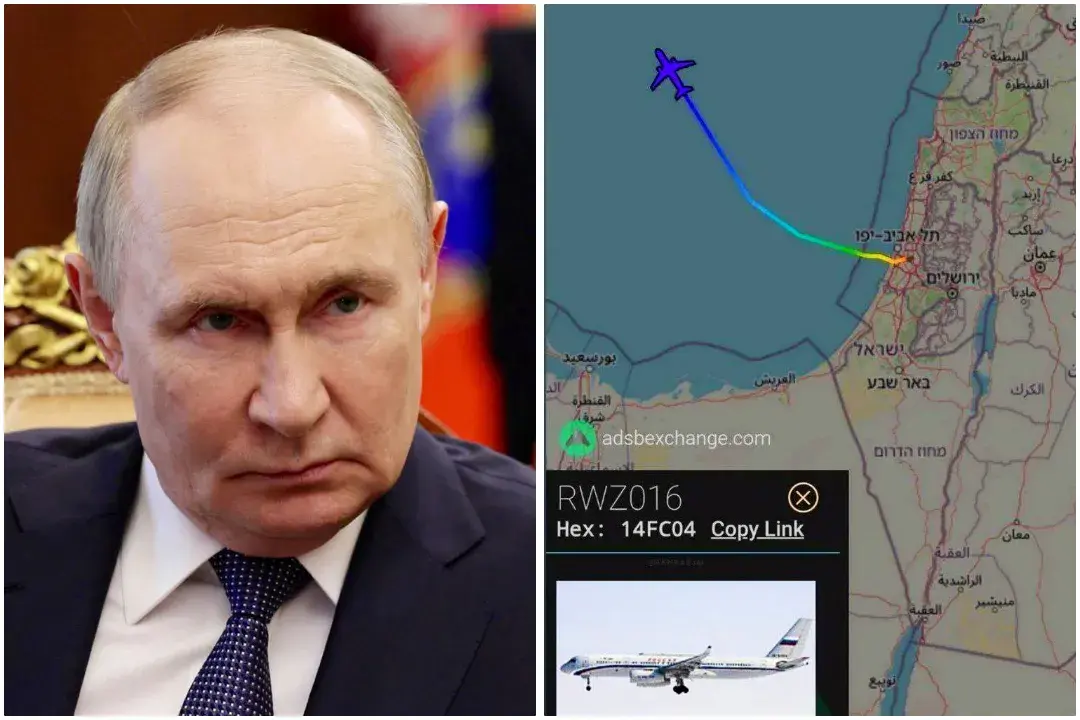
While the situation remains fluid and independently verified details are limited, the reported evacuation has sparked widespread concern among international observers, raising fears of a significant escalation in the Middle East.
Russia reportedly evacuates embassy staff from Israel
Multiple reports claim that Russian diplomatic personnel and their family members have been evacuated from Israel as a precautionary measure. The evacuation is described as urgent, suggesting Moscow views the security situation as deteriorating rapidly.
Neither the Russian Foreign Ministry nor Israeli officials have released comprehensive public statements confirming the full scope of the evacuation. However, analysts note that embassy evacuations are typically reserved for scenarios involving credible threats to safety, underscoring the seriousness of the reported decision.
If confirmed, the move would signal a rare and dramatic step by Russia, highlighting concerns that regional tensions could soon spill into direct military confrontation.
Claims of potential IRGC preemptive strikes
According to Russian sources cited in regional media, Moscow believes the Iranian IRGC may be planning preemptive military strikes targeting Tel Aviv or other strategic locations in Israel by the end of January. These claims have not been independently verified, and Iranian authorities have not publicly confirmed such plans.
The IRGC, a powerful branch of Iran’s military, has played a central role in Iran’s regional strategy, including support for allied groups across the Middle East. Any direct strike on Tel Aviv would represent a major escalation with far-reaching consequences.
Security experts caution that intelligence warnings do not always result in military action but are often used to prepare diplomatic and defensive responses.
Israel on high alert amid rising regional tensions
Israel has been on heightened alert for months amid ongoing conflicts involving Iran-aligned groups in the region. While Israeli officials have not publicly addressed the reported Russian evacuation, the country’s defense establishment remains on guard against potential missile or drone attacks.
Israel’s air defense systems, including Iron Dome and Arrow, are designed to counter a range of aerial threats. Nevertheless, analysts warn that any direct confrontation involving Iran or the IRGC could overwhelm existing defenses and trigger a wider regional conflict.
The reported intelligence assessment adds another layer of uncertainty to an already volatile security environment.
Russia’s strategic positioning in the Middle East
Russia maintains complex relationships across the Middle East, including ties with Israel, Iran, and various regional actors. Moscow has frequently positioned itself as a power broker, balancing diplomatic engagement with strategic military interests.
An embassy evacuation, if confirmed, may reflect Russia’s desire to avoid being caught in a sudden escalation while signaling that it takes the threat environment seriously. Some analysts suggest the move could also be intended to pressure other international actors to engage diplomatically to prevent further escalation.
Russia has previously evacuated diplomatic missions in conflict zones when intelligence indicated heightened risk, viewing such actions as preventative rather than predictive.
International reactions and diplomatic concerns
News of the reported evacuation and potential IRGC strike warnings has triggered concern among diplomats and security analysts worldwide. Western governments have not publicly confirmed receiving similar intelligence, though several have advised citizens to remain vigilant when traveling in the region.
The United Nations and other international bodies continue to call for restraint, warning that miscalculation or preemptive action could ignite a broader war involving multiple state and non-state actors.
Markets and energy analysts are also watching developments closely, as any major conflict involving Israel and Iran could disrupt global oil supplies and shipping routes.
Information warfare and verification challenges
In periods of heightened tension, governments often release selective intelligence to shape narratives or deter adversaries. Experts caution that unverified claims should be treated carefully, particularly when they involve specific timelines or targets.
Open-source intelligence analysts note that embassy evacuations can occur for a range of reasons, including precautionary security assessments rather than imminent attacks. As of now, no publicly available evidence confirms preparations for IRGC strikes on Tel Aviv.
This uncertainty underscores the importance of independent verification and transparent communication to prevent panic or misinterpretation.
What to watch in the coming weeks
As January progresses, observers will be closely monitoring several key indicators:
Official statements from Russia, Israel, and IranChanges in military posture or public alerts in IsraelDiplomatic activity involving regional and global powersAdvisories issued to foreign nationals and embassies
Any confirmation or denial from primary sources could significantly alter the global understanding of the situation.
Conclusion
The reported evacuation of Russia’s embassy in Israel and claims of potential IRGC preemptive strikes on Tel Aviv have added urgency to an already tense regional landscape. While many details remain unconfirmed, the developments highlight the fragile state of Middle East security and the potential for rapid escalation.
As governments and international organizations seek clarity, the coming weeks may prove critical in determining whether diplomacy can prevail—or whether the region edges closer to a broader conflict.