In a major announcement that has drawn global attention, President Donald Trump said on Wednesday that Venezuela plans to use the revenue from a newly negotiated oil deal exclusively to purchase American‑made products. The U.S. leader described the development as a “wise choice” that benefits both the United States and the people of Venezuela, marking a potential new chapter in bilateral economic relations.
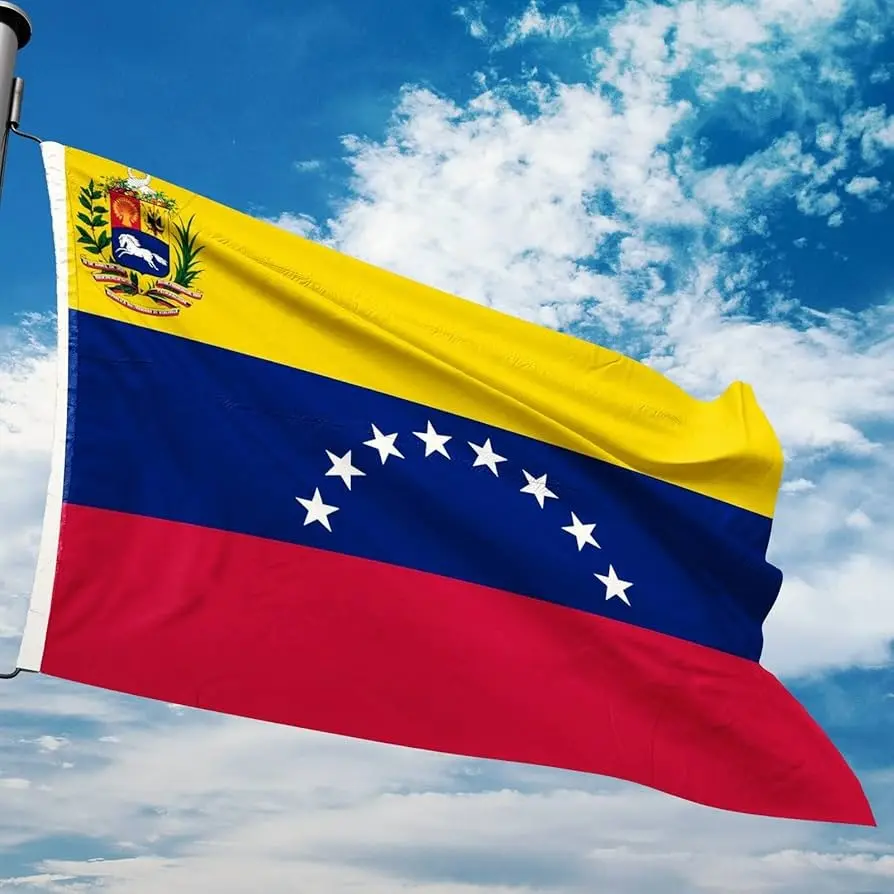
According to Trump’s statement posted on his social media platform Truth Social, Venezuela’s purchases will include American agricultural products, medicines, medical devices, and specialized equipment designed to upgrade the country’s electrical grid and broader energy infrastructure.
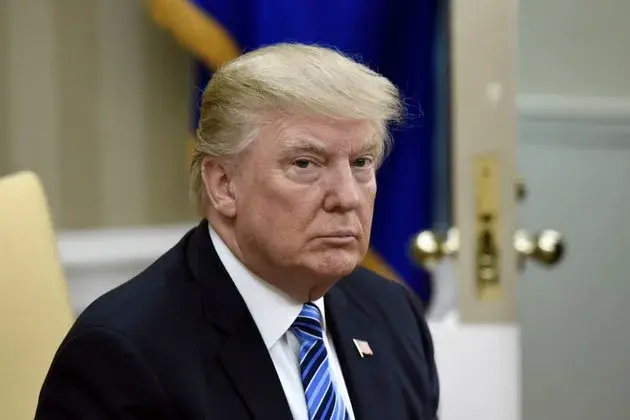
What President Trump Said
Trump’s remarks stem from what he described as a “new Oil Deal” with Venezuela, in which Caracas will sell oil that the United States plans to control, transport, and market in global markets. The proceeds from those oil sales — estimated in the first tranche to include between 30 million to 50 million barrels — will reportedly be directed back into Venezuela’s economy through purchases of U.S. goods.
In his post, Trump wrote:
“I have just been informed that Venezuela is going to be purchasing ONLY American Made Products, with the money they receive from our new Oil Deal. These purchases will include, among other things, American Agricultural Products, and American‑Made Medicines, Medical Devices, and Equipment to improve Venezuela’s Electric Grid and Energy Facilities. In other words, Venezuela is committing to doing business with the United States of America as their principal partner — a wise choice, and a very good thing for the people of Venezuela, and the United States.
The Context: A Shifting U.S.–Venezuela Energy Strategy
The announcement comes amid broader developments involving Venezuela’s vast oil reserves — the largest in the world — and renewed U.S. strategic engagement in the country. In early January, U.S. forces reportedly undertook an operation in Caracas that resulted in the removal of Venezuelan President Nicolás Maduro from power, a move that has generated international controversy and differing accounts of its legality and implications.
Following that, the Trump administration unveiled a plan to control Venezuelan oil exports “indefinitely,” starting with selling previously blocked barrels of crude and routing the financial proceeds through U.S.‑controlled accounts. This plan is presented as a way to stabilize Venezuelan oil production, channel funds into goods that support reconstruction, and align the country more closely with U.S. economic interests.
What Venezuela’s Purchases Could Include
Based on the president’s statement and media reports, Venezuela’s purchases under the deal are expected to include:
1. American Agricultural Products
The deal reportedly prioritizes U.S. farm goods, including grains, meats, dairy, and other exported commodities. This could provide a lift to American agricultural sectors struggling with overseas competition.
2. U.S.‑Made Medicines and Medical Devices
Trump highlighted that Venezuelan revenue from oil sales would be used to buy U.S. pharmaceuticals and medical equipment — sectors that are among the largest in American manufacturing.
3. Equipment to Improve Venezuela’s Electric Grid
Experts have repeatedly raised concerns about Venezuela’s deteriorating power infrastructure, which has suffered repeated blackouts and chronic underinvestment in recent years. President Trump framed the purchase of grid modernization equipment as a strategic use of the oil proceeds.
These commitments were praised by Trump as commercially beneficial for the United States, and portrayed as a way to both help Venezuelans and stimulate demand for U.S. products.
Reactions From Economic and Political Observers
The announcement has fueled debate among analysts and policymakers.
Supporters of the move argue that tying Venezuelan oil revenues to purchases of American goods could bolster U.S. manufacturing, support farmers, and reinforce economic ties between the two nations. They also view it as a diplomatic success that aligns economic leverage with industrial resurgence.
Critics, however, raise concerns over the legality and sustainability of controlling another nation’s oil revenues. Some analysts have described the U.S. approach as unprecedented and potentially destabilizing, noting that Venezuela’s oil infrastructure has suffered from decades of mismanagement and corruption, making the revival process complex and costly.
Others point out that while the initial barrels of oil — reportedly up to 50 million — might generate funds for U.S. goods, long‑term arrangements would require extensive legal frameworks and cooperation from Venezuelan authorities and global markets.
The Broader Impact on U.S.–Venezuela Relations
If implemented, this arrangement would represent a significant shift from prior U.S. policy towards Venezuela, which for years had been defined by sanctions, diplomatic isolation, and criticism of Maduro’s government.
The new oil deal and resulting commercial commitments, as framed by the Trump administration, appear intended to reorient Caracas toward economic cooperation with the United States and away from past reliance on other partners.
Experts say the success of such a strategy will depend on a range of factors, including:
Venezuela’s ability to sustain and grow oil productionRebuilding infrastructure and refining capacityLegal and commercial guarantees required by U.S. and foreign firmsGlobal market responses and geopolitical pressures
International Response
World leaders and markets are closely watching the developments. Some have praised the prospective deal as a creative economic approach, while others have warned that the underlying military and political moves tied to it could exacerbate regional tensions.
International organizations have not yet issued comprehensive statements on the matter, and Venezuelan government responses to the purchasing commitments remain limited in public forums.
What Happens Next?
The trajectory of the U.S.–Venezuela oil agreement and associated commercial commitments remains uncertain. Upcoming actions to watch include:
Implementation steps for exporting Venezuelan oil under U.S. supervisionFormal contracts or agreements between Venezuelan authorities and American manufacturers or agricultural exportersResponses from global trading partners and energy marketsReactions from Venezuelan civil society and neighboring countries
As the situation unfolds, the integration of oil revenues into American‑made purchases will continue to draw both support and scrutiny on the international stage.
Sources
• Trump announcement via Truth Social and multiple media outlets reporting that Venezuela will purchase only U.S. goods with oil deal funds. www.ndtv.com
• U.S. to control Venezuelan oil sales and export strategy under Trump administration. Axios
• Reporting on plans to use Venezuelan oil revenue for U.S. purchases and implications