On January 7, 2026, a quiet residential street in Minneapolis became the site of a tragedy that has gripped the United States and ignited intense debate over law enforcement tactics, federal power, and the value of human life. 37‑year‑old Renee Nicole Good, a mother, poet, and U.S.citizen, was fatally shot by an Immigration and Customs Enforcement (ICE) agent during a federal operation—an incident that thousands across the country say must not be forgotten.
Who Was Renee Nicole Good?
Renee Nicole Good was more than a headline — she was a wife, mother of three, and creative spirit. Born in Colorado Springs, Good had recently moved to Minneapolis with her partner and young child. She described herself on social media as a “poet and writer and wife and mom,” and those who knew her remember her as kind, compassionate, and devoted to her family.
Her life was ordinary in many respects: dropping her 6‑year‑old off at school in the morning, navigating the challenges of raising children, and pursuing her writing and artistic interests. But moments before her death, her life intersected with a federal immigration enforcement operation in a way that would end it forever.
The Tragic Sequence of Events
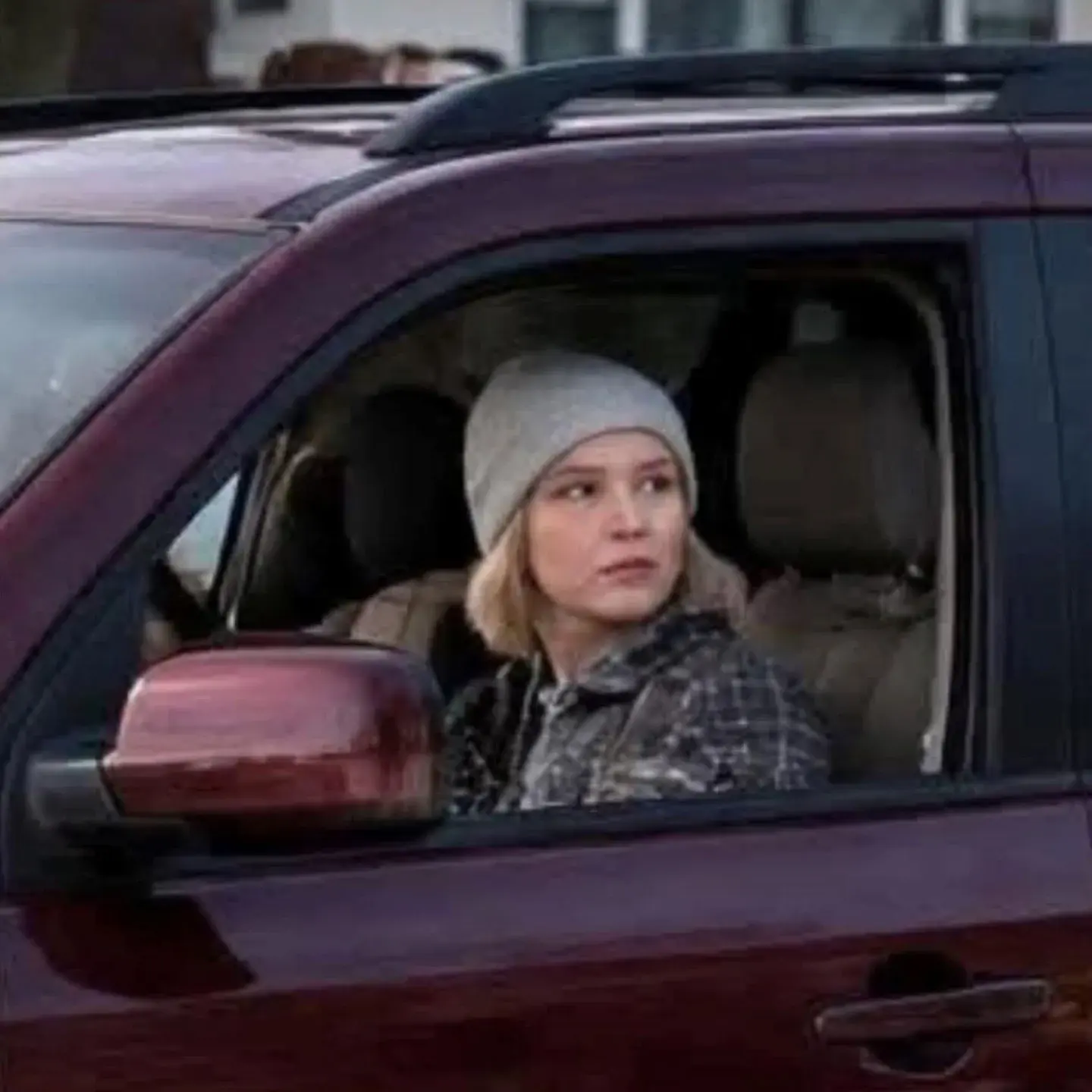
According to multiple eyewitness accounts and bystander video, Renee Good was driving her SUV through south Minneapolis when she encountered a group of federal agents conducting an ICE operation. The video shows agents approaching her vehicle and giving conflicting orders — one agent reportedly telling her to exit the car, while another appears to encourage her to drive away.
As Good attempted to leave the scene, an ICE agent drew his weapon and fired multiple shots into her vehicle. The fatal gunfire struck her in the head, and she was later pronounced dead at a local hospital. Video footage analyzed by news outlets indicates that Good’s car was not accelerating violently toward the officer when he fired. Instead, she appears to be slowly pulling the vehicle forward while agents are in front of and beside her. This visual evidence has fueled public outrage and questions about whether deadly force was justified.
Minutes Before the Shooting
In the moments leading up to the shooting, Good’s situation was chaotic and frightening for everyone involved.
Conflicting Orders: At least two ICE agents approached her SUV from different angles and appeared to give contradictory instructions — one ordered her to get out, while another motioned for her to drive away.Unclear Intent: Good’s movement of her vehicle was slow and tentative, suggesting confusion and fear rather than aggression.Bystanders Filming: Nearby residents were recording the confrontation with their phones, capturing the tense moments before the fatal shot.
These details matter, because they suggest that Renee Good’s actions did not clearly indicate an imminent threat to life — a key legal standard for the use of lethal force.
Official Accounts vs. Eyewitness Reports
Federal authorities, including the Department of Homeland Security, initially claimed the shooting occurred because Good was attempting to use her vehicle as a weapon against officers — a claim echoed by senior administration officials.
However, local officials and eyewitnesses strongly dispute this narrative:
Minneapolis Mayor Jacob Frey described the federal account as inaccurate and “a garbage narrative,” noting that the video does not support the self‑defense claim.Local residents who saw the confrontation described Good’s vehicle movement as slow and not directed at harming anyone.Some eyewitnesses reported that agents gave conflicting instructions just moments before the shooting, adding to the confusion.
These conflicting accounts have amplified public distrust and raised serious questions about how federal law enforcement interacts with civilians during large‑scale operations.
Who Was With Her?
At the time of the shooting, Good was accompanied by her partner, who was inside the vehicle and filmed parts of the incident. After the shots rang out, her partner was visibly distraught, captured in video footage saying, “They shot my wife.”
This personal tragedy underscores the human cost of what might otherwise be reduced to a “law enforcement incident” in news reporting. For Good’s family, neighbors, and friends, this was a beloved mother being taken from her children suddenly and violently.
Public Reaction and Outrage
The shooting ignited widespread protests in Minneapolis and other cities, with thousands demanding accountability and justice for Renee Nicole Good. Demonstrators held vigils, chanted her name, and criticized federal immigration enforcement practices that they say put civilians at risk.
Local leaders echoed these concerns. Minnesota Governor Tim Walz and Minneapolis city officials have called for independent investigations into the use of force and questioned the federal government’s handling of the incident.
The event also intensified already‑heightened debates over ICE’s presence in Minneapolis, where federal agents had been deployed in large numbers as part of expanded immigration enforcement operations. Critics argue that the deployment and tactics have created an atmosphere of fear and mistrust.
Family and Community Remember Her
In the aftermath of the shooting, Renee Good’s family shared heartfelt remembrances of her life:
Her mother described Good as “extremely compassionate” and “one of the kindest people I’ve ever known.”Good was commemorated as a devoted mother and loving partner whose life was “taken too soon.”Community vigils drew crowds honoring her memory and demanding that her name not be forgotten.
These personal insights stand in sharp contrast to official descriptions of the incident and highlight the deep emotional toll the shooting has had on her family and community.
Why the Moment Matters
The moments before Renee Good’s death raise critical questions about law enforcement accountability, the appropriate use of force, and how federal agencies engage with civilians.
Her death cannot be understood only as a statistic — it was a human tragedy with lasting implications for her children, her community, and the nation’s ongoing debate over immigration enforcement practices.
As investigations continue, many advocates, civil rights leaders, and local officials urge that the details of what happened in those final moments — including conflicting orders, video evidence, and eyewitness testimony — be thoroughly examined and made public.
Never Forget Her Name
Renee Nicole Good was a poet, a mother, a partner, and an active member of her community. She was in her car, navigating a snowy Minneapolis street after a morning school drop‑off — not preparing for violence.
The details of her last moments, captured in video and recounted by witnesses, paint a picture of confusion, fear, and tragedy that the public must grapple with honestly.
Her death has sparked a national conversation about accountability, force, and how federal power is exercised. But beyond policy debates, it is the memory of a life lost that remains most important.
Never forget her name: Renee Nicole Good. And never forget the human cost behind every headline.