In a sweeping shift in U.S. foreign policy, President Donald Trump has signed a proclamation directing the withdrawal of the United States from 66 international organizations, encompassing key global institutions tied to the United Nations, climate science, trade, population policy, and more. The move, announced on January 7, 2026, marks one of the most dramatic retreats from multilateral diplomacy in recent American history and has sparked international reactions, debates over U.S. global leadership, and questions about the future of global cooperation.
According to government sources and international media reports, the proclamation affects 31 United Nations bodies and 35 non‑UN international organizations that the Trump administration describes as misaligned with U.S. national interests. Among the most prominent entities targeted are the UN Population Fund (UNFPA), the UN Conference on Trade and Development (UNCTAD), the Intergovernmental Panel on Climate Change (IPCC), and the UN Framework Convention on Climate Change (UNFCCC).
What the Withdrawal Means
The United States’ departure from these organizations will entail both a cessation of financial contributions and a suspension of formal participation in their activities. The White House has framed the action as a defense of U.S. sovereignty and fiscal responsibility, claiming that many of these organizations have pursued agendas “contrary to the interests of the United States” and wasted taxpayer dollars.
The targeted bodies span a wide array of global issues:
Climate and Environment: UNFCCC, IPCC, International Renewable Energy Agency (IRENA), International Solar Alliance, and other climate‑related frameworks.Population and Development: UN Population Fund (UNFPA), which supports reproductive health and demographic research worldwide.Trade and Economic Policy: UNCTAD and International Trade Centre (ITC), key bodies for global economic cooperation and trade rules.Human Rights and Social Issues: UN Women, Peacebuilding Commission, International Law Commission, and bodies focused on children and sexual violence in conflict.
By exiting these entities, the U.S. effectively reduces its role in shaping international norms on climate action, population policy, trade development, human rights, and global governance.
The White House Rationale
In an accompanying statement, the Trump administration argued that American involvement in these organizations has diverted valuable taxpayer resources to bureaucratic agendas that do not align with U.S. economic, political, and security priorities. Officials claim the decision follows a comprehensive review of U.S. participation in international bodies and reflects a renewed focus on “America First” policy objectives.
Secretary of State Marco Rubio echoed this sentiment, describing the targeted institutions as ideologically driven and sometimes hostile to national sovereignty, and suggesting that withdrawing from them would allow the U.S. to redirect funds to domestic priorities like defense, infrastructure, and border security.
Climate and Environmental Impact
Perhaps the most controversial elements of the withdrawal involve climate and environmental organizations. The United States’ exit from the UNFCCC, the foundational treaty governing international climate negotiations, represents a historic break from decades of global climate governance. Likewise, withdrawal from the IPCC, the world’s leading scientific authority on climate change, signals a significant shift in U.S. engagement with scientific cooperation on global warming.
Critics warn that these moves may diminish U.S. influence in global climate policy at a time when climate change continues to accelerate. They argue that stepping back from multilateral climate efforts could weaken international cooperation and hinder progress on reducing greenhouse gas emissions and adapting to climate impacts.
Reactions From the International Community
International reaction to the withdrawal has been swift and largely critical. United Nations Secretary‑General António Guterres expressed regret over the decision, stressing that many of the agencies the U.S. is exiting play vital roles in addressing global challenges, from climate change to public health and social development. He also noted that the UN Charter still imposes certain legal obligations on the United States regarding assessed contributions, even as the withdrawal takes effect.
Environmental leaders and climate officials described the U.S. departure from climate treaties as a setback for global cooperation. UN climate executive figures warned the decision could weaken global efforts to combat climate change and erode trust among nations working together under frameworks like the Paris Agreement.
European Union officials, former U.S. climate envoys, and development experts have also criticized the decision. They argue that U.S. disengagement from international organizations creates a vacuum that could be filled by emerging powers with different strategic interests, potentially shifting geopolitical influence away from traditional Western leadership.
Domestic Political Debate
Within the United States, the withdrawal has sparked heated debate. Supporters of the move praise it as a bold defense of national sovereignty and a rejection of what they see as burdensome, inefficient global institutions. They argue that reducing U.S. obligations to international organizations enables the government to prioritize American citizens and strengthen domestic resilience.
Opponents, including climate scientists, human rights advocates, and international relations experts, contend that the withdrawals undermine U.S. leadership and credibility. They warn that diminished participation in global problem‑solving forums — especially on climate, public health, and economic policy — could isolate the United States and weaken global responses to shared crises.
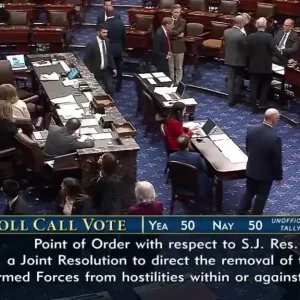
Some lawmakers in Congress have expressed concern about the long‑term consequences of the withdrawals, questioning whether the president has the unilateral authority to exit certain treaties and organizations without Senate consent. Legal experts note that while executive action can begin withdrawals, complete disengagement may require complex legal and diplomatic steps, especially for treaties ratified by the Senate.
Economic and Development Implications
Beyond politics and diplomacy, the withdrawals carry economic implications. Many of the bodies affected by the decision provide frameworks for trade cooperation, investment, and economic development assistance. U.S. disengagement could alter trade partnerships, disrupt economic programs in developing nations, and reduce American influence in shaping global economic rules.
Similarly, the exit from social and population agencies like the UN Population Fund may affect international programs related to reproductive health, family planning, and demographic research — areas that have significant impacts on global development outcomes, particularly in low‑income countries.
The Road Ahead
The United States’ withdrawal from 66 international organizations marks a significant departure from decades of multilateral diplomacy and global engagement. Whether this shift will endure or be reversed by future administrations remains uncertain. Some experts suggest that subsequent U.S. leadership could choose to rejoin withdrawn entities, especially if international trends or domestic priorities change.
For now, the move reshapes how the United States interacts with the world, signaling a preference for unilateral action and skepticism toward multilateral frameworks. As global challenges like climate change, economic instability, and social inequality grow increasingly complex, the implications of this historic withdrawal will continue to unfold — both at home and abroad.