U.S. military maritime operations in the Western Hemisphere intensify under the Trump administration
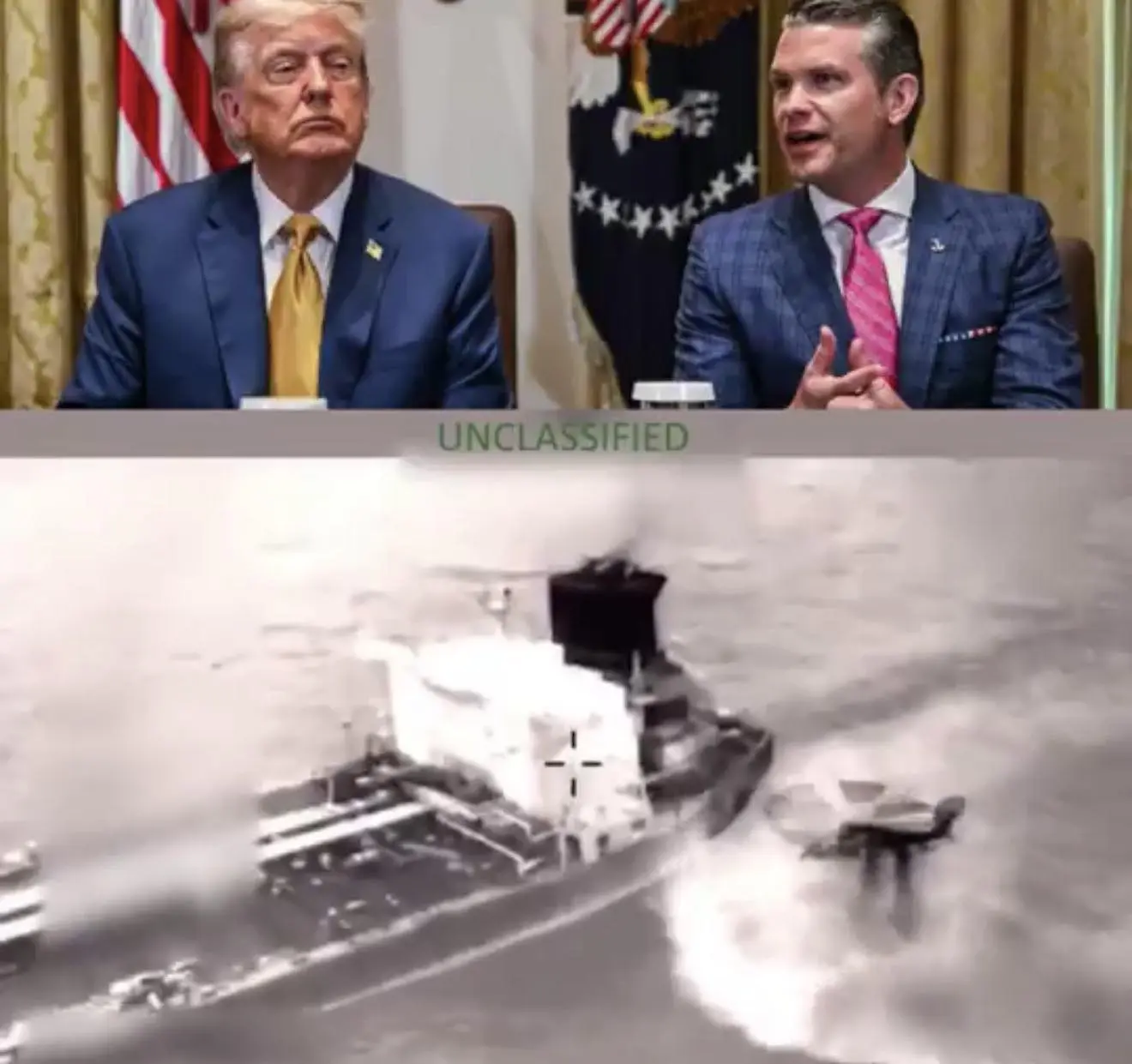
Reports circulating on social media and conservative media outlets on Tuesday claim that U.S. Marines and Navy sailors have seized another sanctioned oil tanker in the Caribbean, potentially marking the fifth such vessel intercepted as part of an expanded maritime enforcement campaign. While full confirmation from the Pentagon has not yet been released, the reports come amid a broader pattern of aggressive U.S. action against illicit oil shipments linked to sanctioned regimes.
The alleged operation, said to have taken place early this morning, has renewed attention on President Donald Trump’s increasingly assertive posture in the Western Hemisphere and the role of Defense Secretary Pete Hegseth in overseeing naval and marine deployments in strategically vital waters.
What Is Being Reported — and What Is Confirmed So Far
According to multiple media personalities and online commentators, U.S. forces boarded and seized an oil tanker suspected of violating U.S. sanctions during a maritime operation in the Caribbean. The vessel is reportedly linked to networks that have previously been targeted for transporting oil on behalf of sanctioned governments.
As of this writing, the U.S. Department of Defense has not yet issued a formal statement confirming the seizure, including details about the vessel’s flag state, ownership, or final destination. However, U.S. officials have previously acknowledged a series of interdictions aimed at disrupting illicit oil flows in the region. In recent months, U.S. naval forces have openly confirmed multiple seizures of sanctioned oil tankers, particularly those allegedly connected to Venezuela and Iran. These operations were conducted under existing U.S. sanctions enforcement authorities and international maritime law.
A Pattern of Escalation in Maritime Enforcement
Even without immediate confirmation of today’s reported seizure, the claim fits into a broader and well-documented escalation of U.S. maritime enforcement operations in the Caribbean and surrounding waters.
Under President Trump’s current administration, the U.S. Navy and Marine Corps have expanded:
Boarding and inspection operationsIntelligence-driven interdictionsJoint task force deploymentsSanctions enforcement at sea
U.S. officials have repeatedly stated that sanctioned oil shipments help finance regimes that undermine regional stability, fuel organized crime, and evade international pressure. Previous confirmed seizures involved tankers accused of falsifying documentation, disabling tracking systems, or transferring oil ship-to-ship to conceal origins.
The Role of President Trump and Defense Secretary Pete Hegseth
President Trump has made clear that his administration views the Western Hemisphere as a core strategic priority, particularly with regard to energy security, narcotics trafficking, and hostile foreign influence.
Defense Secretary Pete Hegseth, a former military officer and longtime advocate of strong U.S. military deterrence, has supported a more forward-leaning posture in maritime security. Under his leadership, the Pentagon has emphasized:
Freedom of navigation enforcementDeterrence against sanctions evasionRapid-response naval deployments
While rhetoric from Trump allies has been forceful, official Pentagon communications have generally framed these actions as lawful enforcement of U.S. sanctions and international maritime regulations, not acts of war.
Why the Caribbean Matters Strategically
The Caribbean Sea remains one of the most strategically important maritime corridors in the world. It serves as a key transit zone for:
Energy shipmentsCommercial tradeNarcotics trafficking routesSanctions-evasion networks
U.S. military planners have long warned that adversarial states exploit the region’s complex maritime geography to move illicit cargo. As a result, naval interdictions have become a central tool in countering both criminal and geopolitical threats.
Legal Authority for Tanker Seizures
When U.S. forces seize a vessel suspected of sanctions violations, the action is typically carried out under:
U.S. federal sanctions lawTreasury Department designationsInternational maritime conventionsCoordinated interagency operations
Once seized, tankers are usually transferred to U.S. custody pending legal proceedings. In previous cases, seized oil was later sold, with proceeds directed toward enforcement or humanitarian funds, depending on court rulings.
Political Messaging and Public Reaction
Strong political language surrounding these operations has generated intense reactions online. Supporters argue that the U.S. is finally enforcing its laws decisively and protecting regional dominance. Critics warn that inflammatory rhetoric risks unnecessary escalation and diplomatic fallout.
What remains clear is that maritime enforcement has become a visible symbol of the Trump administration’s broader foreign policy approach: assertive, unilateral when necessary, and unapologetically focused on U.S. interests.
What Happens Next?
If confirmed, today’s reported seizure would further reinforce the message that U.S. sanctions are being actively enforced at sea, not merely on paper. Observers are now watching closely for:
An official Pentagon confirmationDetails on the tanker’s ownership and destinationDiplomatic responses from affected nationsPossible legal proceedings in U.S. courts
Until official confirmation is released, analysts urge caution in drawing conclusions, while acknowledging that such an operation would be consistent with recent U.S. actions.
Conclusion
While claims that U.S. Marines and sailors seized a fifth sanctioned oil tanker in the Caribbean have not yet been formally confirmed, the reports align with an established pattern of intensified U.S. maritime enforcement under President Trump.
With the Caribbean once again at the center of strategic attention, the coming days are likely to bring clarity — and potentially further escalation — in America’s approach to sanctions enforcement and regional security.