Trump Warns of Political Consequences Ahead of Critical Midterm Elections
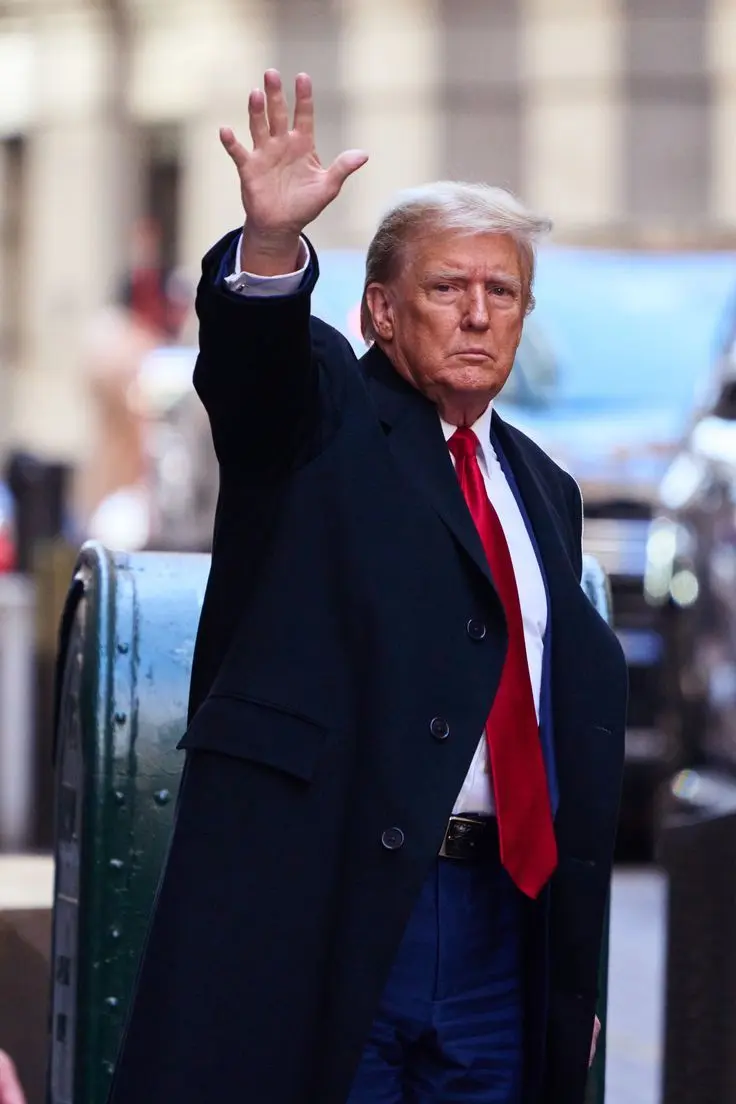
Former U.S. President Donald Trump has made a striking political claim, warning supporters that if Republicans fail to win the 2026 midterm elections, he believes he will face impeachment. The statement, made during recent public remarks and amplified across conservative media and social platforms, has reignited debate over impeachment, partisan power, and the stakes of the next congressional elections.
Trump’s comments underscore how deeply impeachment has become embedded in modern American politics, transforming what was once a rare constitutional mechanism into a recurring political threat. As the 2026 midterms approach, Trump is framing the election as not only a referendum on Republican control of Congress, but also as a direct safeguard against renewed efforts to hold him accountable.
Impeachment as a Political Weapon, According to Trump
Trump has long argued that impeachment has been used against him as a political weapon rather than a constitutional safeguard. Having been impeached twice during his presidency, he maintains that future impeachment attempts would be driven by partisan motives rather than new evidence of wrongdoing.
By stating that his impeachment would be inevitable without Republican victories in 2026, Trump is sending a clear message to voters: control of Congress equals protection. This framing reinforces his broader narrative that political power, not legal merit, determines impeachment outcomes in today’s Washington.
Supporters view this message as a rallying cry, while critics argue it highlights the erosion of institutional norms.
Why the 2026 Midterms Matter So Much
The U.S. midterm elections in 2026 will determine control of the House of Representatives and Senate. Since impeachment begins in the House, Trump’s warning centers on a simple reality: a Democratic-controlled House could launch impeachment proceedings, while a Republican-controlled House would almost certainly block them.
Historically, midterm elections often serve as a referendum on the sitting administration or the dominant political movement. Trump is attempting to nationalize the 2026 races early, tying local congressional contests directly to his own political fate.
This strategy could boost Republican turnout, especially among voters who see Trump as a target of ongoing political and legal scrutiny.
Democrats Signal Continued Focus on Accountability
While Trump predicts impeachment, many Democrats frame their position differently. They argue that impeachment is not about political revenge, but about accountability, rule of law, and democratic norms.
Several Democratic lawmakers have indicated that no individual should be immune from oversight, regardless of political stature. However, party leaders have also been cautious, aware that repeated impeachment efforts can generate voter fatigue and backlash.
Trump’s statement effectively puts Democrats on the defensive, forcing them to clarify whether impeachment would indeed be a priority if they regain control of Congress.
The Role of Political Messaging and Fear-Based Mobilization
Political analysts note that Trump’s warning serves a dual purpose: energizing his base while pressuring Republican candidates to align closely with him. By suggesting that his personal political survival depends on GOP victories, Trump reinforces loyalty and discourages internal dissent.
This approach mirrors previous election cycles, where Trump positioned himself as the central figure in Republican politics. Candidates who distance themselves from him risk alienating his supporters, while those who embrace him may face challenges in swing districts.
The impeachment warning thus becomes a powerful messaging tool—one rooted in fear of political retaliation and loss of power.
Public Reaction and Media Response
Reaction to Trump’s statement has been sharply divided. Conservative commentators largely echoed his concerns, arguing that Democrats are eager to use impeachment as a political cudgel. Liberal critics, meanwhile, accused Trump of attempting to undermine constitutional accountability by portraying impeachment as illegitimate.
Mainstream media outlets have framed the statement as both a political prediction and a strategic threat, highlighting how impeachment has become a central talking point even years after Trump left office.
On social media, the comment sparked widespread debate, with supporters viewing it as honesty about Washington politics, and critics seeing it as an admission that impeachment is tied to political control rather than conduct.
Historical Perspective: Impeachment and Power in Congress
The U.S. Constitution grants the House of Representatives sole authority to impeach federal officials. While intended as a check on abuse of power, impeachment has increasingly mirrored partisan divisions.
Trump’s assertion reflects a broader reality: impeachment is functionally impossible without political will and numerical control. Whether justified or not, impeachment has become inseparable from electoral outcomes.
This raises long-term questions about the credibility and effectiveness of impeachment as a constitutional tool.
What Happens If Republicans Lose the 2026 Midterms?
If Democrats were to win control of the House in 2026, they would have the authority to initiate impeachment proceedings. However, impeachment does not guarantee conviction, which requires a two-thirds majority in the Senate.
Even so, impeachment alone carries serious political consequences, including media scrutiny, legal exposure, and historical legacy. Trump’s warning suggests he views the process itself—not just conviction—as damaging enough to warrant urgent political action.
A High-Stakes Warning or Political Hyperbole?
Some analysts argue that Trump’s statement is less a literal prediction and more a form of political hyperbole designed to motivate voters. Others believe it reflects genuine concern about renewed investigations and congressional action.
Either way, the comment highlights how deeply Trump’s political identity remains intertwined with the Republican Party’s electoral success.
Conclusion: Impeachment Looms as a Defining Issue
Trump’s declaration that he will be impeached if Republicans lose the 2026 midterms underscores the high stakes of future congressional elections. It reflects a political environment where impeachment is no longer an abstract constitutional concept, but a tangible campaign issue.
As 2026 draws closer, voters can expect impeachment, accountability, and political power to dominate the national conversation—whether Trump ultimately faces impeachment or not.