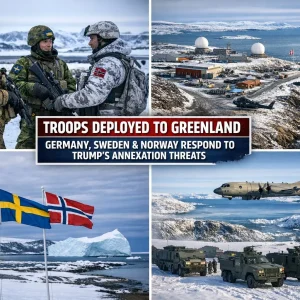
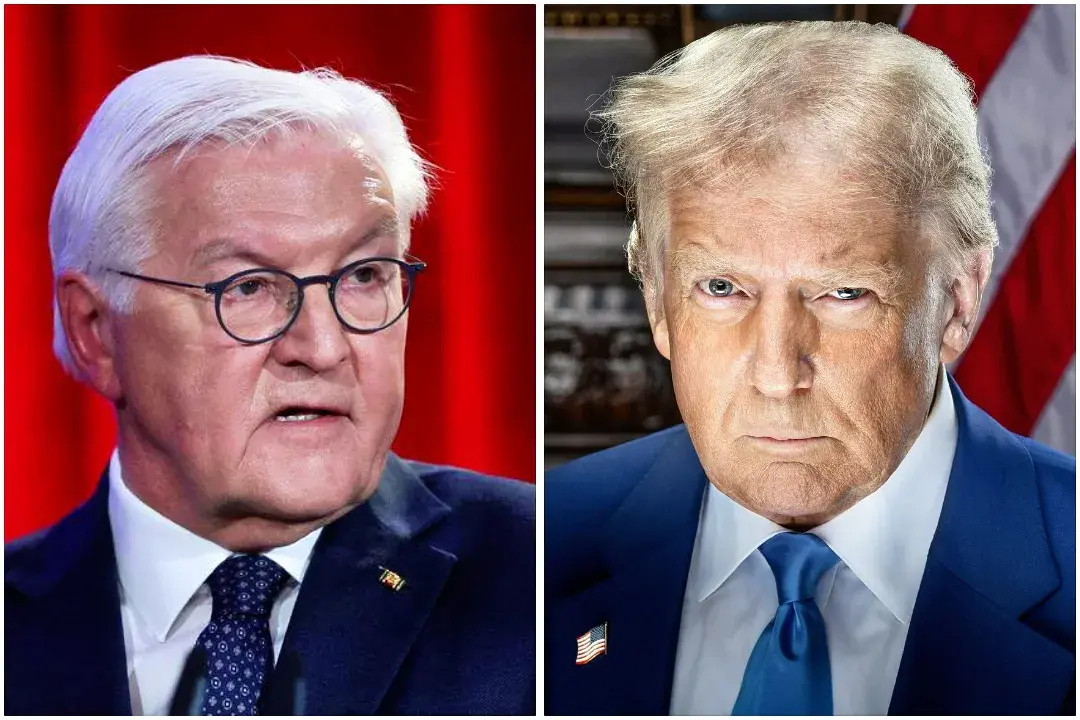
In a striking and controversial statement reported by Reuters, German President Frank-Walter Steinmeier accused the United States of undermining the global order, sparking significant discussion among international leaders, analysts, and media outlets. Steinmeier’s remarks come at a time of heightened geopolitical tension, as global institutions face challenges from both rising powers and long-standing alliances. The German president’s comments underscore growing concerns in Europe about the stability of international norms, U.S. foreign policy, and the future of multilateralism.
Context of Steinmeier’s Remarks
According to Reuters, President Steinmeier made his comments during a public speech addressing global security, diplomacy, and the shifting balance of international power. In his address, Steinmeier suggested that the unilateral actions of certain states, particularly the United States, are eroding international rules and institutions designed to maintain peace and stability.
Steinmeier stated that actions perceived as bypassing the United Nations, NATO frameworks, or international treaties risk weakening the very structures that have preserved global order since World War II. While he did not single out specific U.S.
policies by name, observers interpreted his remarks as critical of recent military interventions, trade measures, and sanctions imposed by Washington.
Germany’s Position on Global Governance
Germany has long positioned itself as a champion of multilateralism and rules-based international order. Steinmeier’s comments reflect Germany’s concern that unilateral actions by any major power can destabilize global governance systems. These concerns are particularly acute given ongoing crises in Ukraine, the Indo-Pacific, and the Middle East, where U.S. involvement has been both praised and criticized.
For decades, Germany has advocated for international collaboration through institutions such as the United Nations, the European Union, and NATO. Steinmeier’s statement aligns with this perspective, emphasizing that unilateral measures by the world’s most powerful nations can undermine the legitimacy and effectiveness of these organizations.
U.S. Response and Implications
While U.S. officials have not directly responded to Steinmeier’s remarks, the statement is likely to influence diplomatic discussions in Washington and Berlin. Analysts suggest that such criticisms may affect transatlantic relations, especially in areas of joint security, trade negotiations, and climate diplomacy.
Critics of Steinmeier’s position argue that U.S. actions are often motivated by national security concerns and the defense of global democracy. Proponents, however, view the statement as a necessary reminder that global stability requires adherence to international norms, rather than unilateral power projection.
Geopolitical Implications
Steinmeier’s comments resonate against a backdrop of growing global tension between major powers. The U.S. has increasingly focused on countering China’s influence in the Indo-Pacific, responding to Russian actions in Eastern Europe, and engaging in sanctions regimes worldwide. While these measures are designed to protect U.S. interests and allies, European leaders like Steinmeier argue that excessive unilateral action can destabilize the international system.
The statement also highlights the fragility of global institutions. The United Nations, World Trade Organization, and other multinational bodies rely on the cooperation of powerful states to enforce rules and mediate disputes.
When key players act independently, it can lead to a domino effect of instability, uncertainty, and diminished trust in global governance mechanisms.
European Perspective
Steinmeier’s remarks have been widely discussed in European capitals. Many leaders share concerns about the erosion of multilateral norms, particularly regarding military interventions and economic sanctions. Some policymakers in Brussels and Berlin have called for stronger European autonomy in global affairs, signaling a potential shift in Europe’s strategic posture.
Additionally, the statement may influence discussions within NATO. While Germany remains a key ally of the U.S., the remarks underscore the importance of balancing alliance commitments with a rules-based approach to international diplomacy. European nations may increasingly advocate for policies that emphasize diplomatic engagement and multilateral solutions over unilateral action.
Historical Context
Germany’s concern over unilateral global actions is rooted in history. Post-World War II, Germany has been a steadfast supporter of international law, human rights, and collaborative security structures.
Steinmeier’s criticism of the U.S., therefore, reflects a broader commitment to preserving these principles, even when it involves speaking out against a key ally.
The president’s remarks echo previous European critiques of U.S. foreign policy, including interventions in Iraq and Afghanistan, trade disputes, and more recent military operations in the Middle East. These historical precedents have shaped Germany’s emphasis on a stable, predictable, and rules-based global order.
Public and Media Reaction
Steinmeier’s statement has sparked debate across international media outlets. Some analysts view it as a bold call for restraint and accountability, urging powerful nations to respect international norms. Others perceive it as potentially damaging to U.S.-European relations, particularly in times of high geopolitical tension.
Within Germany, the remarks have been largely well-received, with citizens and political commentators emphasizing the importance of multilateralism in ensuring peace and stability. European think tanks have also praised Steinmeier for highlighting the risks associated with unilateral action in global affairs.
Potential Policy Consequences
The statement may influence both European and U.S. policy in the coming months. Possible outcomes include:
Enhanced European strategic autonomy: Germany and its allies may pursue policies to reduce reliance on U.S. leadership in international crises.Diplomatic pressure on Washington: Steinmeier’s remarks could prompt discussions in Washington about multilateral engagement and adherence to international agreements.Strengthened multilateral institutions: The statement may encourage investment in the UN, WTO, and NATO frameworks, promoting collective decision-making.
Global Order at a Crossroads
Steinmeier’s remarks underscore that the global order is at a critical juncture. With rising multipolarity, challenges to U.S. hegemony, and the increasing assertiveness of China and Russia, the international system is experiencing both opportunities and risks.
Statements like Steinmeier’s serve as a reminder that cooperation, dialogue, and adherence to rules remain essential for maintaining peace and stability.
Experts suggest that without careful attention to multilateral norms, unilateral actions by any major power — including the United States — could trigger regional instability, trade disruptions, and military escalations. Germany’s position emphasizes the need for diplomatic solutions, transparent negotiations, and shared global responsibility.
Conclusion
The statement by German President Frank-Walter Steinmeier, as reported by Reuters, marks a significant critique of U.S. foreign policy and a warning about the fragility of the international order. By asserting that the United States is “destroying the global order,” Steinmeier has sparked discussion about the balance of power, the importance of multilateralism, and the responsibilities of global leadership.
As international tensions continue to evolve, the remarks may influence policy decisions, shape diplomatic negotiations, and remind the world of the need for rules-based governance in a complex and multipolar world.
Europe, the United States, and other global actors will be closely monitoring both rhetoric and action as the debate over global order unfolds.