In recent weeks, a dramatic shift has unfolded in Minneapolis — with many police officers reportedly leaving the Minneapolis Police Department (MPD) and pursuing positions with U.S. Immigration and Customs Enforcement (ICE). This trend, fueled by escalating tensions surrounding federal immigration enforcement and local law enforcement morale, has sparked national attention, debate, and concern over public safety, policing priorities, and community trust.
A Growing Exodus from Minneapolis Police
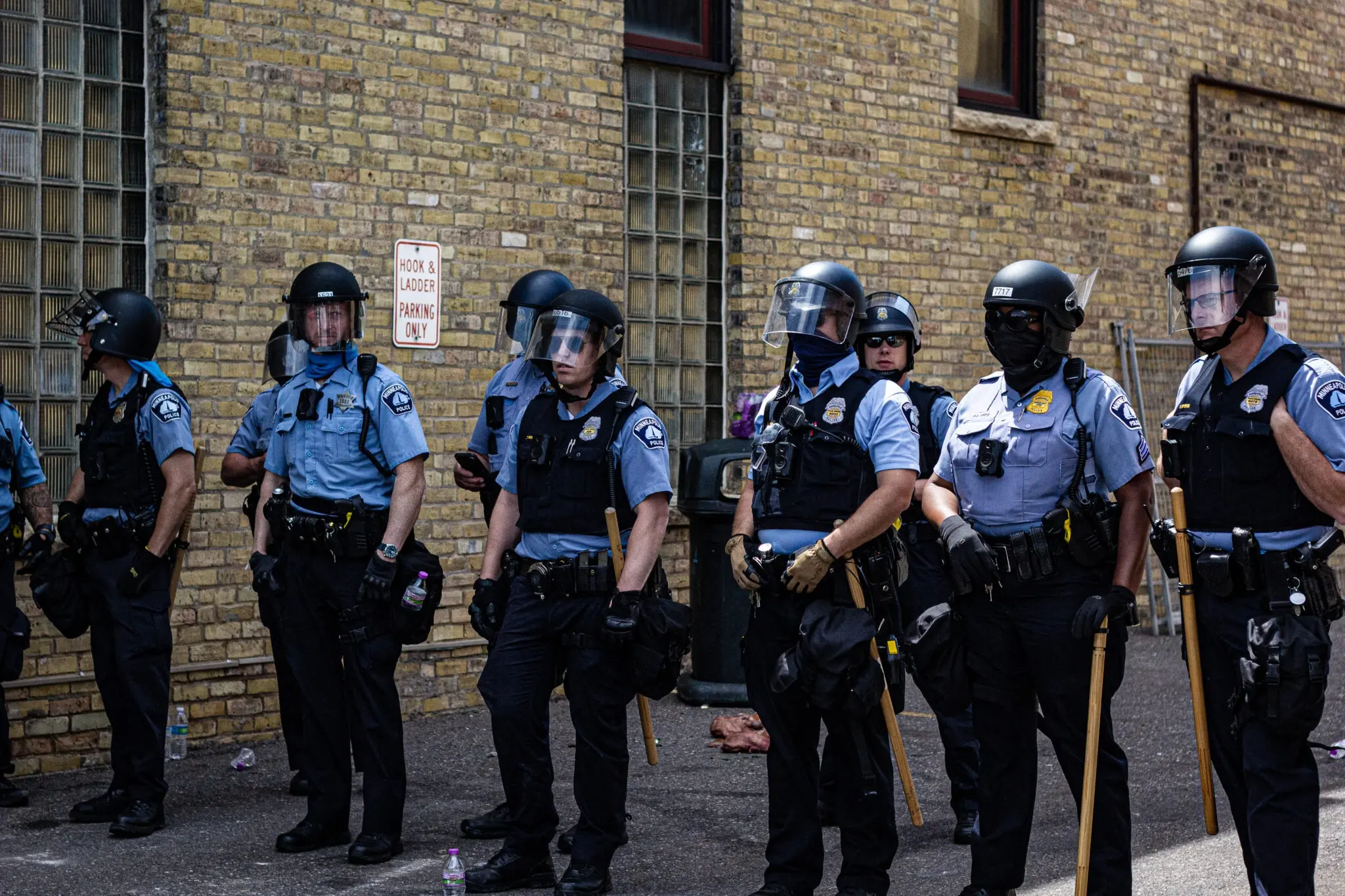
Across Minneapolis, police officers have faced unprecedented strains on morale. Dozens of officers are reportedly seeking extended paid leave or resigning their positions entirely. Recent reporting suggests that between 60 and 70 Minneapolis police officers have applied for extended paid leave, citing morale issues tied to ongoing political and operational conflicts involving federal immigration enforcement.
Although not all these officers are formally resigning for ICE jobs, many are exploring alternatives within federal law enforcement, especially given ICE’s expanding presence in the Twin Cities region — a development that has reshaped the professional calculus for some Minneapolis officers.
Why Officers Are Looking Elsewhere: ICE in Minneapolis
The presence of ICE in Minneapolis has grown dramatically under Operation Metro Surge, a sweeping immigration enforcement operation launched in late 2025. This effort, described by the Department of Homeland Security as its largest immigration enforcement operation ever deployed in the Midwest, has included thousands of federal agents in Minnesota.
This surge has put ICE officers on the streets alongside local police — not as partners, but often in tension with them. Minneapolis has a long-standing separation ordinance that prohibits local authorities from assisting ICE in immigration enforcement.
The City Council recently strengthened this ordinance, further making Minneapolis a challenging environment for local officers to engage in federal operational support.
With federal forces operating under different rules, some local officers say they feel pulled between city policy, community expectations, and the growing federal footprint — creating workplace stress and a sense of professional conflict.
The Shooting That Ignited Wider Discord
The situation escalated dramatically after the fatal shooting of Renee Good, a 37-year-old Minneapolis woman, by an ICE agent in January 2026. Good, an American citizen, was killed during an ICE operation when an ICE officer fired into her vehicle, an incident that has ignited protests, lawsuits, and heated discussions about federal law enforcement tactics.
The shooting, and subsequent decision by the Department of Justice not to open a civil rights investigation, has amplified tensions between federal agencies, local officials, and Minneapolis residents.
The DOJ’s position — that there was no basis for a criminal civil rights probe — prompted several veteran prosecutors to resign or seek other roles, further underscoring a federal-local rift that has reverberated to municipal police officers.
Morale and Frustrations Within the MPD
Minneapolis police morale was already under pressure before federal immigration agents arrived en large numbers. Leaders within the MPD recently emphasized that officers must intervene if they witness any unlawful force used by any law enforcement agent, including ICE — a directive that reflects deep concerns over accountability and community protection.
Nevertheless, many officers feel constrained by law, policy, and resource limitations. Some are frustrated that city policy often restricts MPD involvement when ICE agents operate in their communities — even in situations where the public perceives misuse of force.
This professional tension, combined with heightened political scrutiny, has contributed to a wave of applications from Minneapolis officers seeking roles with ICE or other federal agencies.
What ICE Positions Mean for Minneapolis Officers
For officers disillusioned with local policies or morale issues, ICE employment can appear attractive for several reasons:
More predictable enforcement priorities: Federal agencies like ICE have clearer mandates focused exclusively on immigration enforcement, which may appeal to officers seeking more structured tasks.
Higher pay and federal benefits: Federal law enforcement positions often offer competitive salaries, pensions, and career advancement opportunities compared to some municipal policing roles.
Geographic mobility: Working for ICE can allow officers to serve across different regions, which can be appealing for those frustrated by local political constraints.
However, transferring from a local police role to a federal immigration enforcement job is not without controversy. ICE’s mission and methods remain deeply polarizing in many communities, especially in cities like Minneapolis where local government and residents have opposed aggressive immigration enforcement.
Public Reaction and Community Impact
Community responses to police departures and ICE’s expanding role have been mixed. On one hand, some Minneapolis residents and activists welcome the MPD’s stance against assisting federal immigration operations, viewing it as a defense of immigrant rights and community trust. On the other hand, business owners, families, and neighborhood leaders express concerns over reduced local law enforcement presence and the long-term impact on public safety.
The departure of seasoned MPD officers — whether for leave, ICE roles, or other law enforcement jobs — raises critical questions about staffing, training, and community relations.
Protests have erupted in response to federal actions, especially after the shooting of Renee Good, with organizers demanding justice and transparency. Some activists argue that the involvement of thousands of ICE agents has created a climate of fear in communities that are already wary of law enforcement.
Political and Legal Ramifications
The Minneapolis City Council and Mayor have taken steps to strengthen local ordinances that limit cooperation with ICE and resist federal intrusion. This political stance has bolstered the separation between local policing priorities and federal enforcement actions.
Meanwhile, state and federal lawmakers continue to debate the appropriate role of ICE and how best to ensure accountability when federal agents are involved in high-profile incidents.
The resignations of Department of Justice attorneys over the handling of the Renee Good case further illustrate the broader legal and political tensions underlying this crisis.
What This Means for the Future
The wave of Minneapolis police officers seeking leave or transferring to ICE reflects deeper fractures in how law enforcement is defined and executed in America’s cities. For Minneapolis, a city already wrestling with long-standing issues of police reform and community trust, the current dynamics represent both a challenge and an inflection point.
Some analysts predict that continued federal enforcement presence and political polarization could further erode local police morale, making retention and recruitment even more difficult.
Others argue that Minneapolis’ strong stance against local collaboration with ICE may strengthen community alliances and redirect resources toward public safety strategies that rely on trust and cooperation.
Whatever the outcome, the connection between police departures and federal immigration enforcement underscores a broader national debate about policing, jurisdictional authority, and community priorities.
As Minneapolis navigates these challenges, policymakers, law enforcement leaders, and residents will need to engage in open dialogue, develop clear operational guidelines, and address the underlying issues of morale, accountability, and public service.