In a landmark legal development, Washington State has successfully challenged the federal government’s attempts to access sensitive health data for immigration enforcement purposes. The case, currently making waves in legal and policy circles, involves the federal government’s efforts to obtain information from Medicaid, Medicare, and Washington Apple Health programs concerning immigrants living in the state.
Background: Federal Requests for State Health Data

For years, federal agencies, including the Department of Homeland Security (DHS) and its branch, Immigration and Customs Enforcement (ICE), have sought access to state-held health records. Their stated goal is to verify eligibility for taxpayer-funded benefits, ensuring compliance with immigration laws. However, this practice has raised serious privacy, legal, and ethical concerns across multiple states, with Washington at the forefront of resistance.
Washington officials argue that sharing these sensitive health records with ICE violates federal privacy rules, undermines public trust in healthcare programs, and discourages immigrants from seeking necessary medical care. The state maintains that providing this information could result in enforcement actions against vulnerable populations, which conflicts with public health objectives.
The Legal Battle: Washington vs. Federal Government
In response to federal requests for health data, Washington State filed a lawsuit against the federal government. The case centers on whether federal agencies have the legal authority to force states to hand over Medicaid and other health program records for immigration enforcement purposes.
The federal government claimed that access to this data is necessary to prevent fraud and ensure that public funds are used properly. Washington countered that compliance with federal funding does not grant the government unlimited access to personal health information, especially when it may be used to target immigrants.
Court Ruling: Protection for Immigrant Health Data
In a significant win for Washington, a federal judge granted a preliminary injunction blocking the federal government from using state Medicaid and Apple Health data for immigration enforcement. This ruling temporarily shields sensitive information from ICE and other federal immigration authorities while the lawsuit proceeds.
The judge emphasized the importance of privacy protections and federal limitations on accessing personal health information. The decision also acknowledges that forcing states to disclose these records without proper legal authority could cause irreparable harm to both individuals and public health programs.
Implications for Immigrants and State Policy
This ruling is widely regarded as a major victory for immigrant communities in Washington. By restricting ICE’s access to health data, the decision ensures that individuals enrolled in Medicaid, Medicare, or Apple Health can seek care without fear of enforcement actions.
For state officials, the court’s decision reinforces the principle that federal funding does not override privacy and state discretion. Washington’s health programs can continue operating under protections that encourage participation and trust among immigrants and other vulnerable populations.
National Significance: Sanctuary Policies and Federal Authority
The case also has broader implications beyond Washington. Across the United States, many states have implemented sanctuary policies that limit cooperation with federal immigration enforcement. This court ruling reinforces the legal foundation for states to protect sensitive resident data even when federal authorities request access.
Experts suggest that the outcome could influence other states facing similar federal demands. If upheld, the ruling may serve as a precedent for states seeking to balance compliance with federal funding requirements while protecting residents’ privacy.
Public Reaction and Legal Analysis
Public reaction has been mixed, reflecting the divisive nature of immigration policy in the U.S.
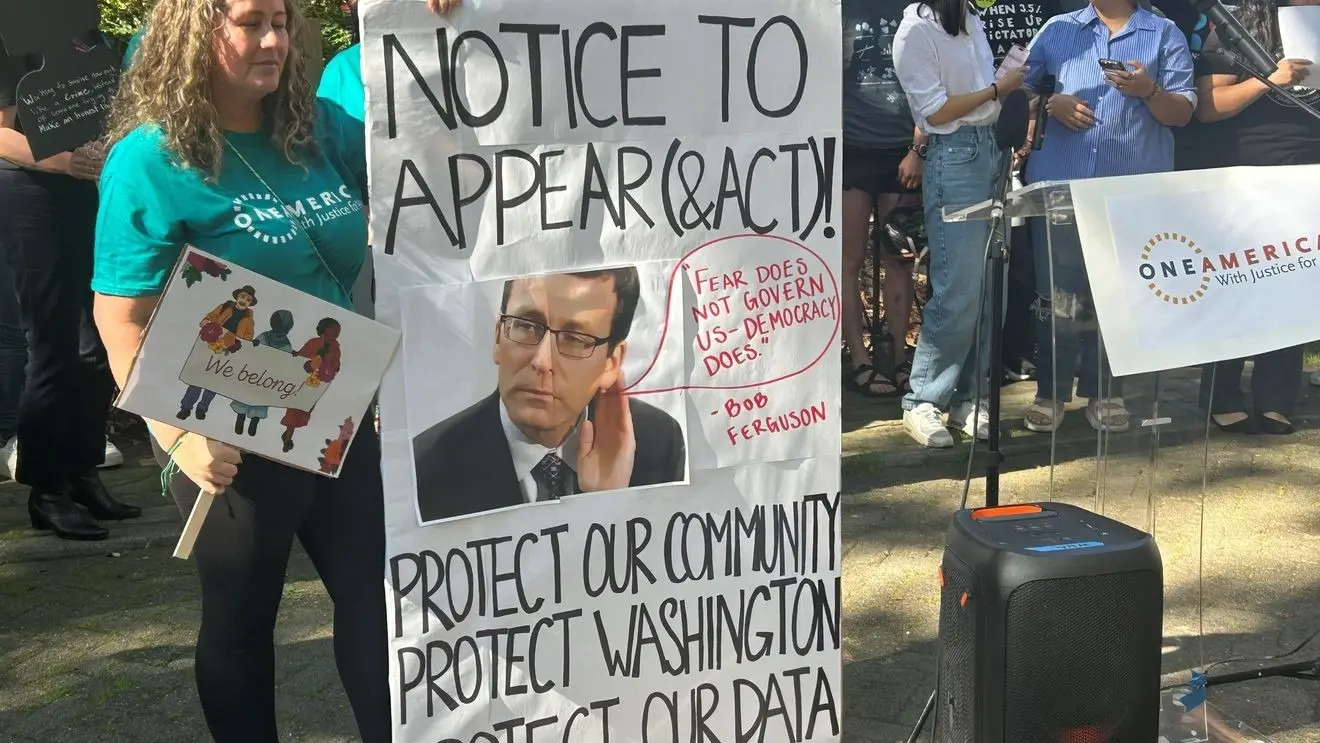
Advocates for immigrants praise the ruling, emphasizing that health and privacy protections are critical to community well-being. Organizations such as immigrant rights groups and public health advocates have celebrated the decision as a safeguard against potential misuse of personal information.
Supporters of stricter enforcement argue that federal agencies need access to data to verify eligibility and prevent fraud, warning that restricting access could undermine law enforcement efforts and taxpayer accountability.
Legal analysts point out that the case highlights the tension between federal supremacy and state sovereignty. While federal law provides guidelines and funding for Medicaid and Medicare programs, states retain the authority to implement these programs and protect residents’ privacy.
Future Developments: Appeals and Continuing Litigation
The federal government has signaled that it may appeal the injunction, meaning the legal battle is far from over. The appellate process could take months or even years, and the final outcome may have nationwide ramifications.
Meanwhile, Washington continues to defend its position aggressively, emphasizing that the protection of health data is essential for maintaining public trust, ensuring access to care, and complying with federal privacy regulations.
Key Takeaways for Policymakers and the Public
State authority matters – States can legally resist federal overreach when it conflicts with privacy laws and public policy objectives.
Health privacy is protected – Immigrant health data remains shielded from federal enforcement actions while litigation continues.
Precedent for other states – The case may influence policies and legal strategies in other sanctuary jurisdictions across the country.
Ongoing legal uncertainty – Appeals and further litigation mean that the final outcome is not yet determined.
Conclusion
Washington State’s legal challenge represents a significant moment in the ongoing debate over immigration enforcement, health privacy, and state-federal relations. By winning a preliminary injunction, Washington has temporarily blocked federal access to sensitive health data, protecting immigrants and reinforcing state discretion over public health programs.
As the case unfolds, policymakers, legal experts, and communities across the United States will be closely watching the implications of this ruling. The outcome could shape the balance of power between state privacy protections and federal immigration authority for years to come.